History of education in Sutherland
Background - the "bureaucratic cycle"
In the Brigantian era, the system of education gradually transitioned from a familial-based system to tuition-based systems, however largely had eroded back to informal, familial structures at the time of the Viking settlements.

The earliest-known Sutherlander schools from the settler populations were associated with Messianist religious institutions. A number of abbeys and clausters began establishing schools for the studying of religious texts, as well as basic writing and literacy. Further schools were established over the following centuries; the Viking warlords commissioned a number of military schools for training children, while schools to teach Old Guthric as a prestige language or to read biblical texts, and "songuscole" (singing schools) were established for choirs in mediaeval churches. Viking kings increasingly viewed the non-military schools as frivolous or needless, and refused to exempt them from tax, reducing their presence notably in the 10th century, referred to as a "mini-literary dark age" by some modern scholars. Nevertheless, it took roughly two centuries of sparse, fractured education and a relatively illiterate populace (even for the time) for the settler state to begin to develop alongside its international peers for the time.
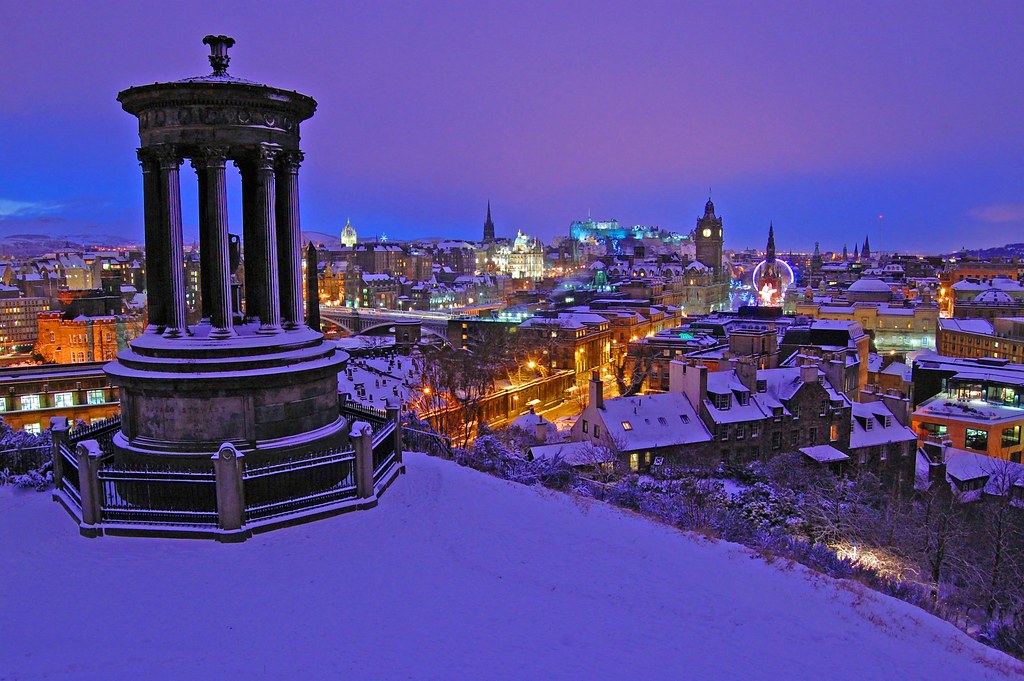
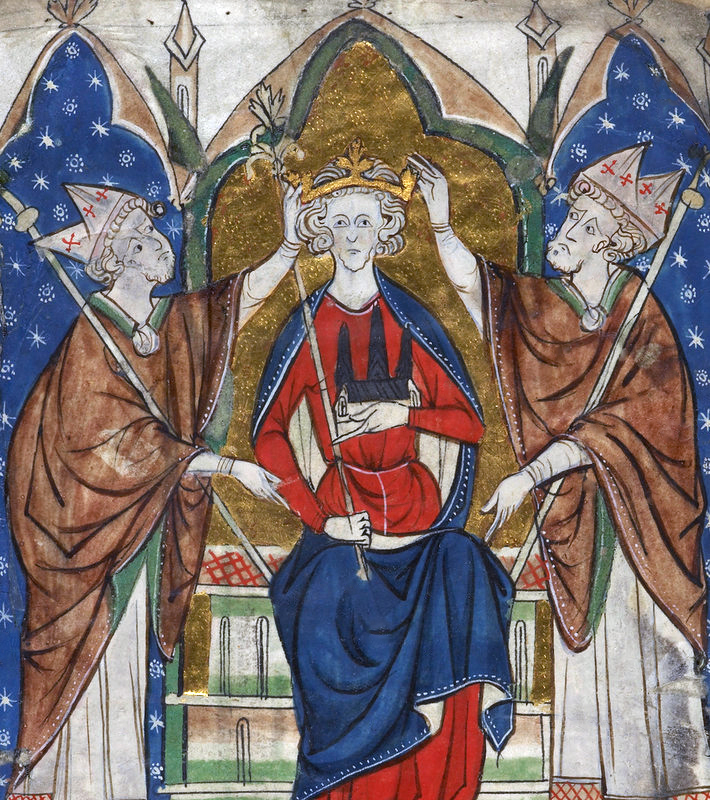
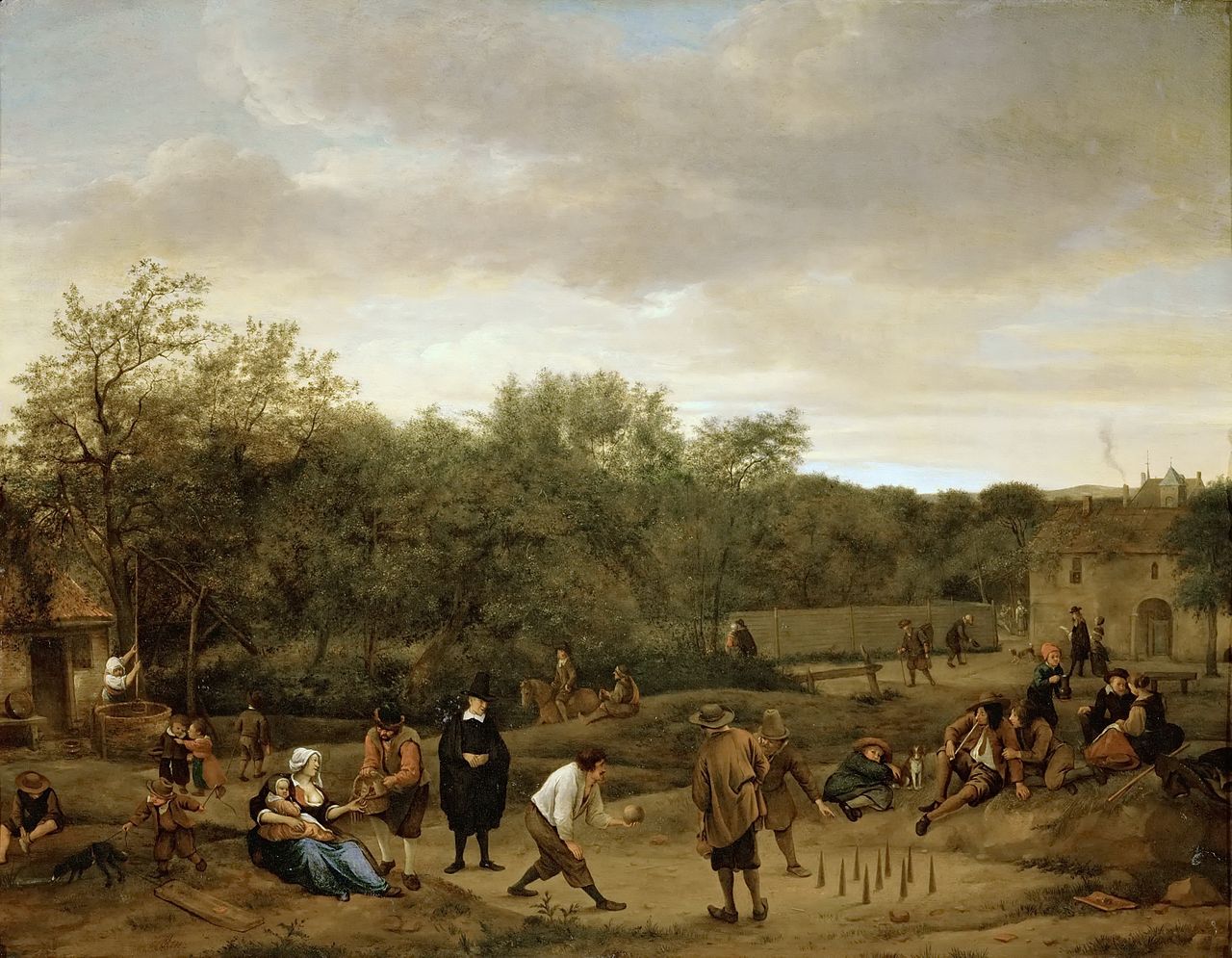
Middle Ages depiction of a learning institution, ~1070CE (right)
The mediæval education system developed rapidly into a semi-formal system following the collapse of the Viking warlord class, and the rise of the aristocratic order under Æthelred the Steadfast. The destruction of the previous bureaucracy and state resulted in both an opportunity and an obstacle; Æthelred was forced initially to rely on inherited monastic literacy, and informal aristocratic counsel and advice, as well as retaining the "more competent" lawmakers from the time. A prolific writer of royal charters, he constructed a widespread legal and bureaucratic system of rules and order, while a series of Great Landsbooks (at first partial in 980, followed by two full sets in 988 and 1003-4) further created great demand for literate, competent interpreters, scribes, and educated advisors. Æthelred found that, initially, his desire for lawmaking and interpretation was not met with a sufficient capacity for recordkeeping, nor scribing, and whilst rudimentary solutions such as reliance on oral law, and travelling judges (the King's arbitration), were technically workable, he was frustrated by their flaws and inconsistencies. Similarly, the language was somewhat non-standardised - although this was less true of monks and scholars in abbeys and monasteries of the time, and more of Æthelred's court and itinerant scholars around him, especially as he had brought in relatively disparate allies to Eamont with differing dialects and rules - resulting in a number of books published by him and his scholars (most notably Edweard of Suþmynstre, who was a keen grammarian and close friend of the King Æthelred) to delineate the rules of the language.
This resulted, in part, in the establishment of the first predecessor centres to the modern loresteads; the predecessor to the Lorestead of Westhampton (Old Atlish: Lærestede æf Westhāmtūn) was set up in 1001, followed by a further dozen or so in the decade after, while the aristocracy would increasingly give their children (from roughly 6-7 years of age through to their early-to-mid teens) a formal liberal arts education as the norm - though girls would usually, whilst not always, be left out or given selective education - although many would choose to retain their personal household tutors rather than rely on the bureaucracy. These centres of learning also began to teach a mixture of mathematics, logic, the sciences, statecraft, ethics, and theology, though seldom all at the same time, being largely specialised due to their small size. The consistent demand for literate officials to arbitrate, examine and manage records, and staff the travelling judicial courts, additional to the view amongst the aristocracy that a liberal arts education was critical to ascending in the court - which was, at the time, largely new. Oratory was also a very notable subject during this period, as the liberal arts centred around seven subjects, including the trivium (grammar, rhetoric, logic) and quadrivium (arithmetic, geometric, music, astronomy) by the late mediaeval era.

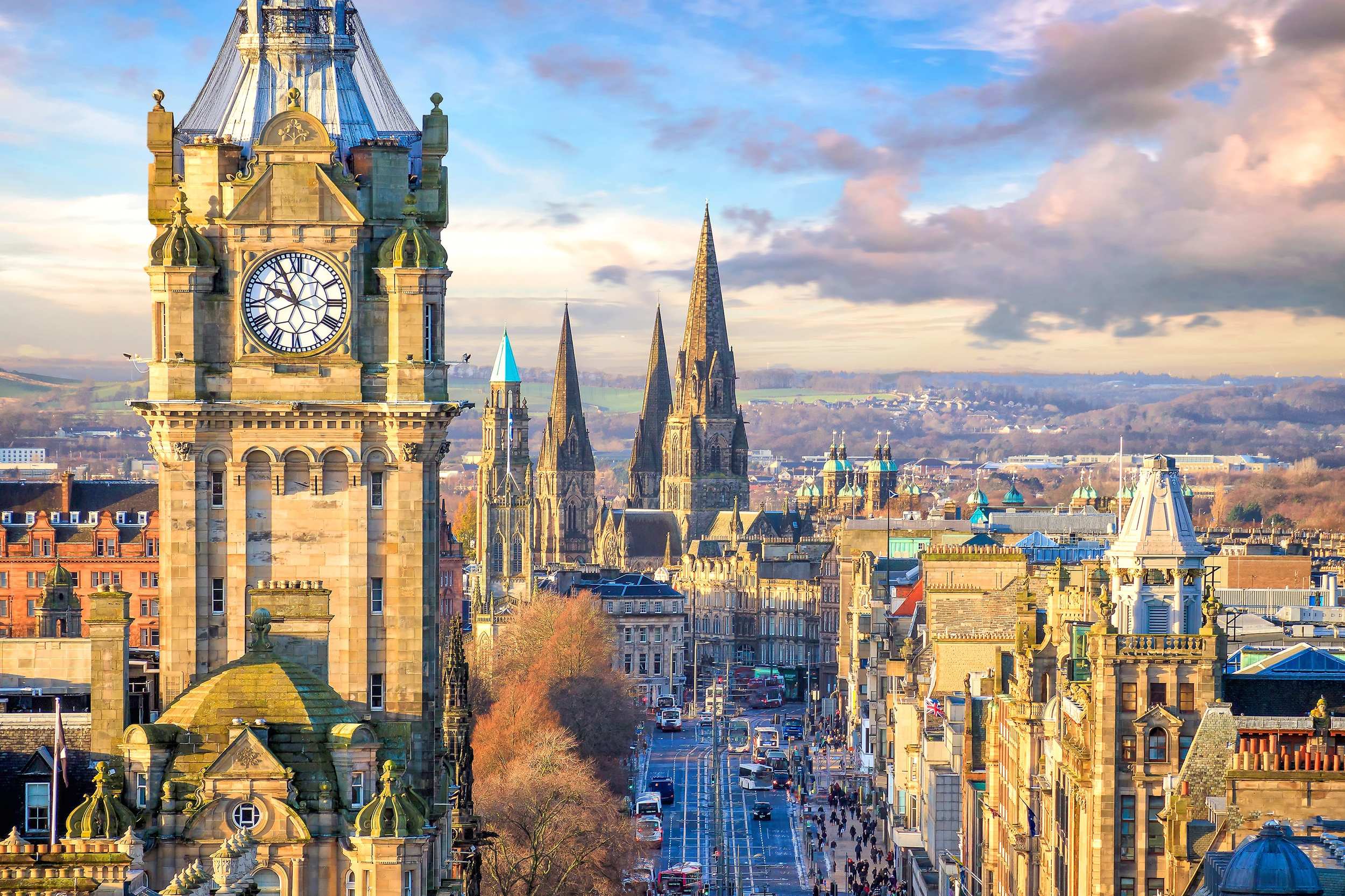
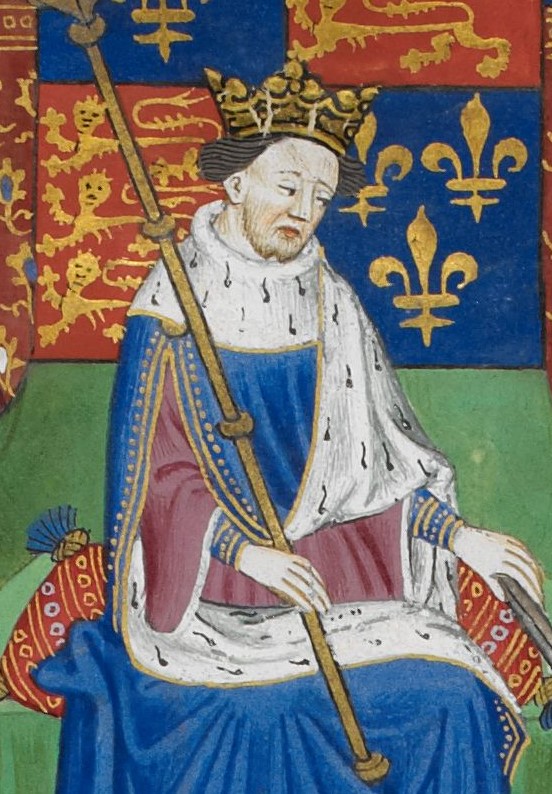
St. Alfred's is a notable charity school, dating to the early Archibaldian era of the late 1400s (right)
This system of education was often fraught - the frontiers often lacked the ability to grant their aristocracy this baseline of education, leading to the prevailing view in Eamont and the Sound that the frontiers were brutish and "beneath" them, whilst the effectiveness of the mediaeval system of bureaucracy and education proved heavily reliant on the willingness of kings to both fund it over war (notably, nearly entirely disappearing in the reign of Leofryc I in his efforts to fund wars in the northeast), and to take part in lawmaking themselves. Despite this, the system enjoyed a baseline of continuity through the High Middle Ages, granting Sutherland a tradition of bureaucratic training and legal education. Meanwhile, the 11th-century decision by Æscwine I to order the translation of the Bible into Early Atlish - as a direct response to the election of an Antipope at Helgen and monastic reform at the time - resulted in a linguistic and education flourishing, as it encouraged the reading of the holy text in the vernacular. The late mediaeval period brought a more unstable monarchy with over a century of challenging claims and dynastic infighting, heavily fracturing this bureaucracy and weakening - but not totally destroying - its structure.
Meanwhile, in the early modern period, charity schools - usually associated with religious institutions or the Church as a whole - began to appear in an effort to teach the poor, or at least indicate that they were open to all regardless of religiosity, class, or social status. Archibald I extended this during the early Amendment period, instituting in the Free Loresteads Law of 1477 that there were to be a system of learning centres open to all for free, however this largely did not cause a transformation of society; poor children would still largely learn trades instead, as this would be a direct way to support their families, while the benefit of education was abstract and in some cases did not materialise. Nevertheless, literacy rates did slowly tick upwards in the 15th to 17th centuries, while regulations to support and regulate the trades and guilds at the time would also be passed. In 1666, Malthe II instituted a number of poor laws, including one that stipulated that "township" scholarships would be made available by apprenticeship schools, which were increasingly the reserve of more affluent boys. Meanwhile, the renaissance that had been enjoyed following the closure of the Wars of Harts and Swans once again stagnated into the 17th century, following the deposing of Godwin VI and instating of a new, more absolutist dynasty in the 1600s. A number of loresteads, exceptionally, were forced to close during this time due to "outrageous" publications and a view from the monarchy that they were brewing pots for sedition, Courantist sentiment and treason - the 17th century was the only century except the 13th century during which the number of loresteads actually declined.
Nevertheless, at the dawn of the early modern era, a tendency of universalism had slowly bled into the state's view of education, and the prestige that the aristocracy consistently gained by educating their children legitimised the system even during its nadirs in the 13th and 17th centuries.
Early modern era and the "groundlaying" cycle
"Þe Scole", a depiction of a Sutherlander grundleȝnyngscole in 1818 (right)
Edmund V rose to the throne after the death of his authoritarian father Malcolm II at the nadir of the First Atinean War in 1749. Edmund ruled at the height of Sutherlander enlightened absolutism, and believed that the ruler was at the forefront a servant of the state and public, while maintaining the values of order and duty that had marked the conservative shift of the monarchy in the post-Ten Good Kings era of the 17th to early 18th century. Amongst other reforms, such as a rudimentary (and in some ways, partial) level of press freedoms and religious tolerance, and a strong view of legal reformation in the guise of Æthelred the Steadfast before him, he sought to make a break from the "weak, yet static" persona that Malcolm had developed amongst his detractors during his two decades of rule. One early way he managed this was through the refutation of the antisemitic decrees of his 17th century predecessors, who themselves had overturned a century or two of hostility to antisemitism.
Yohan Eldredsson was a noted educator and reformist in opposition to the apparent stasis in Sutherlander education in the 1700s in juxtaposition to increasingly rapid change as the agricultural and early industrial revolutions began, and his plans drew the attention of Franklin III. Thus, a generic Sutherlander primary education programme - unconventionally, funded through tax, although in practice the new schools were often funded on private or clerical initiative - was instituted in the Allschools Law 1754, requiring that children across Sutherland were educated from the ages of 5 through 10; this was extended to the age of 13 in 1777. This system, known in Atlish as
grundleȝnyng (lit. "ground-laying", translates roughly as "foundation") or its supplementary
grundleȝnyngscole, was a comprehensive five (then eight) year course of baseline skills like reading and writing, and oratory skills as continued from the liberal arts tradition, as well as music (largely to integrate the singing schools) and religious education; mathematics was initially optional for a fee, but was introduced as a formal part in 1777, partly to substitute much of the religious education that had been removed due to Edmund V's schism with the Church in 1773. The Church heavily resisted these secular schools, in part leading to the schism between Edmund and the Church, and formed its own parallel society of schools; these were amalgamated into the state system in the 1880s.
Secondary schools were also instituted, though less universally and less publicly, in the 1760s through 1780s; they gained friction from the lower classes, as they quickly became saturated with the more affluent boys of the realm. National testing, a national curriculum, and formal teacher training were also instituted through Edmund's reign; most notably, the
Cæmnyng (whose etymology is unknown, but is possibly from an Old Cumbric word for "stepping",
kanxsman) became the state exam for students at secondary level to take in order to enter the bureaucracy or universities, which remained the case until its partial reduction into a solely university-pipeline exam in the 1990s. A number of Chancellors developed the laws further, instituting for schools for girls (while not universal, and in many cases not even free), as well as secondary schools in the poorer or peripheral regions; this system was used as a key means to subdue the Atinean provinces seized in the late 18th century and 19th centuries from Atinea in the First and Second Atinean Wars. Edmund V often noted his frustration with the poor progress of the
Cæmnyng during his lifetime - it took until well into the early 19th century, after his death in 1788, for the exam to be truly respected by universities and employers, while its initial introduction was messy.
Edmund V did not live to see the
grundleȝnyng attain its end result.
Yet, by the reigns of his descendants Edmund VI and Frederyk IV, the Sutherlander education system had developed into a world-leading institution, lifting Sutherland out of its relatively stagnant and in some ways mediaeval approach it had been burdened with until the 1700s. It had instituted free primary education (especially for the poorest), salaried professors and teachers taught institutionally, state funding to build further scholarly institutions and universities, curriculums instilling a strong national character, involvement of science and technology, and supervisions at the national level, and secular instruction in conjunction with optional but important religious education. The modern university system also was borne from this era, with many of the universities in Sutherland dating from the late 18th to very early 19th century.
However, Edmund V's schism with the Church would develop into a centuries-long reignition of the schism between the Antipope and state/Crown in the 1000s-1400s, which had largely been paved over with the Amendment and alignment of the early modern Kings with the Amendist Church, creating intermittent periods of
Statsmenningsþræt (lit. State cultural quarrel, translated roughly as "National-cultural struggle"). The system suffered perenially from teacher shortages, as well as poor infrastructure outside the Horseshoe and Eamont, resulting in inequal outcomes; these inequities were largely ignored by the political elite, who were largely concentrated in the more adequately-provisioned provinces. Teachers in rural areas were often underqualified, and schools were forced routinely to combine multiple years due to low populations and low enrollment in these areas.
At the dawn of the 1820s, the
grundleȝnyngscole system was renowned in Sutherland as a world benchmark, enabling it to eclipse many of its peers it had lagged for centuries in its literacy rates, for its successes in the face of a previously-underdeveloped system, although was also controversial amongst liberals and the working-classes for being used as an apparatus of control. This politicisation of education would set a dangerous precedent for the following 100 years.
Revolution and the "ideological" cycle
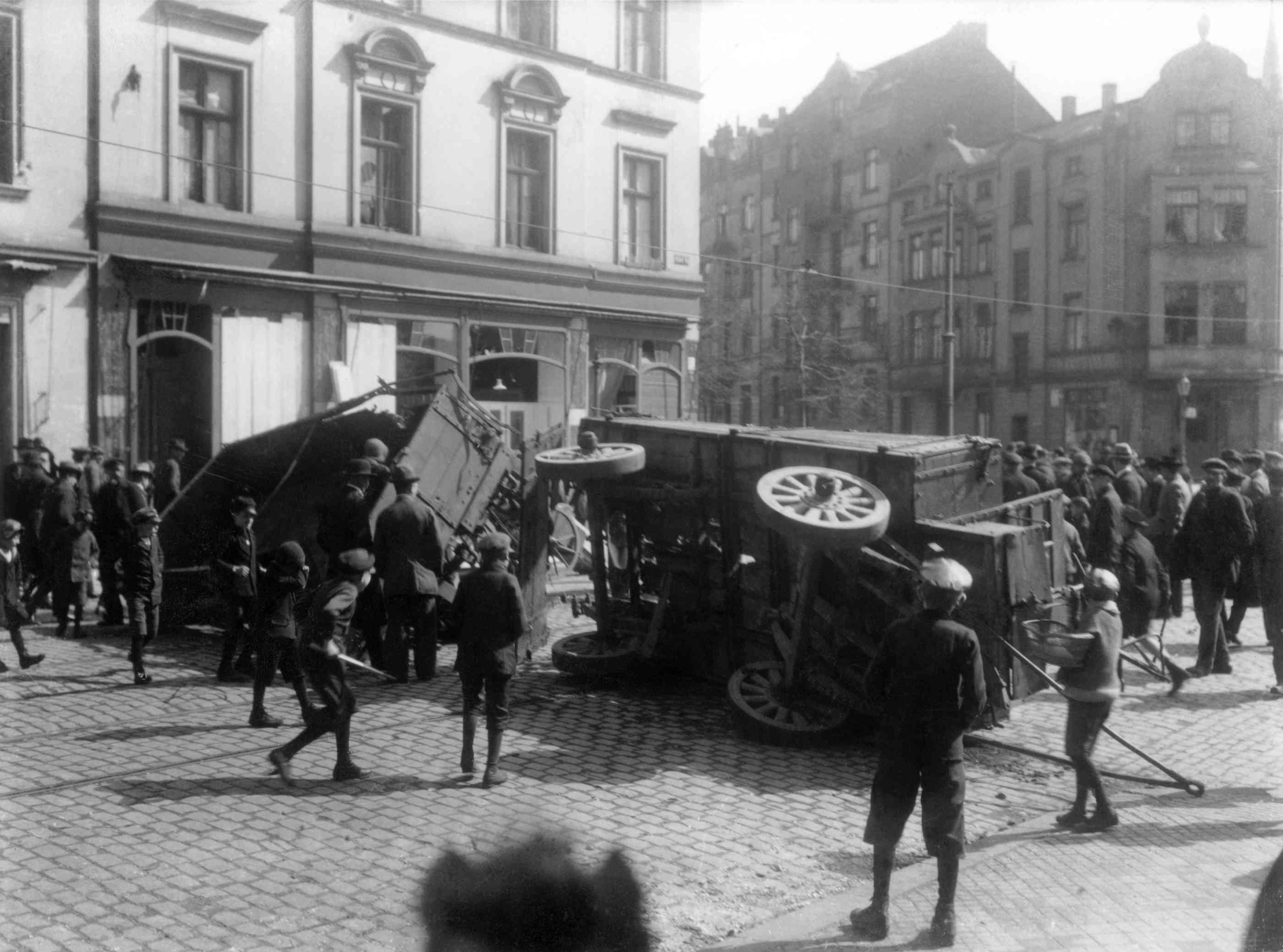
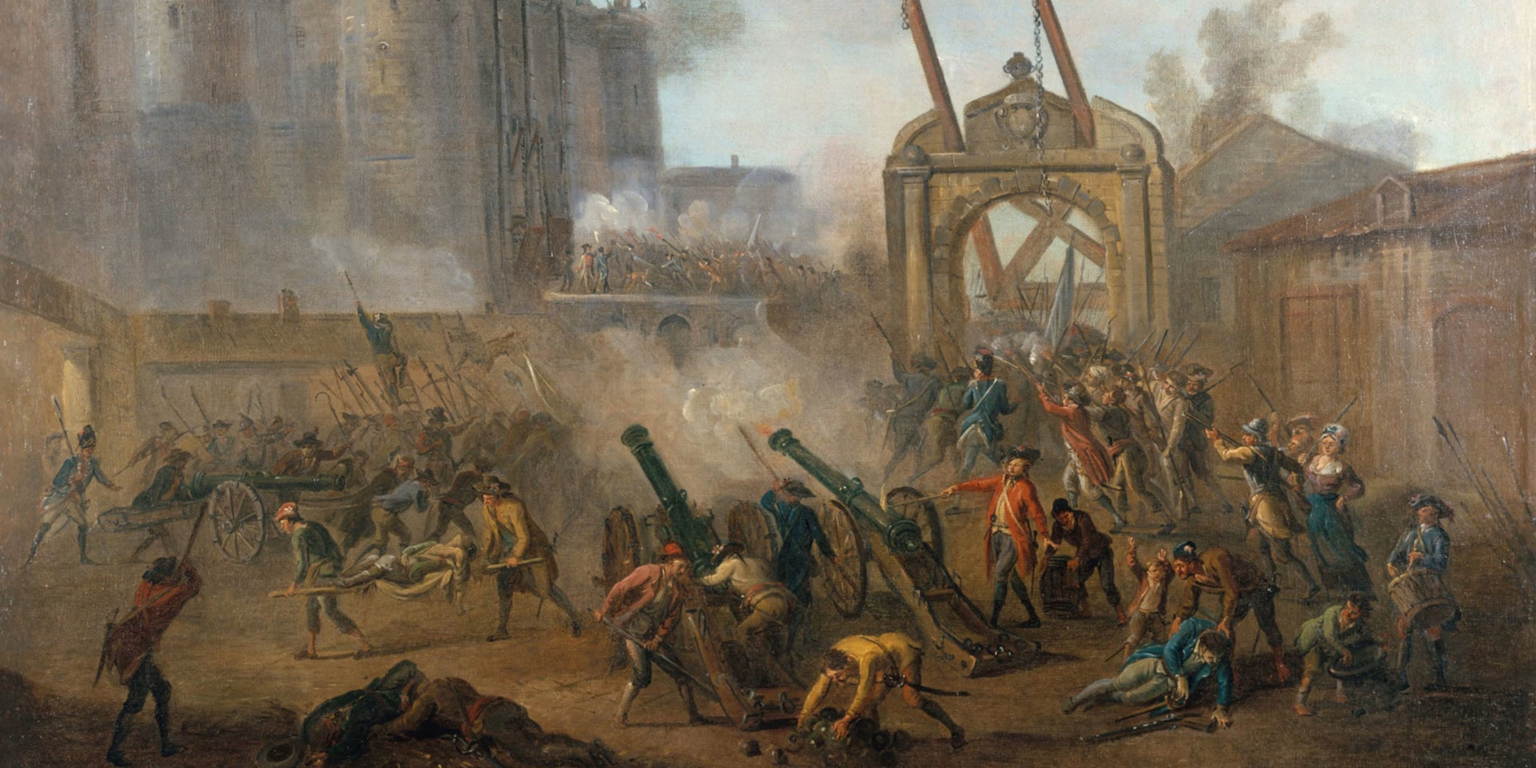
The Sutheran Spring in the spring of 1829 (as pictured on right) resulted in major education reforms
Frederyk IV was a noted conservative, and in some ways repudiated the legacy of Edmund V, whilst also seeking to reignite the absolutism that he enjoyed. While at first upon his accession to the throne in 1821, following the death of Edmund VI, he appeared to appease the Church, and also to maintain existing institutions, his decrees became increasingly reliant on personal authority, bypassed the Almoot, and became unconvinced that the groundlaying education system was a fortuitous system of spending tax revenue. In 1823, he
de facto ends the universality of public education, instead making its mandate effectively unenforced, while refusing to fund the training of further teachers or take responsibility for funding schools. Frederyk wrote in 1824 to his cousin, Alfred, that the system Edmund V created was "surplus to requirement", and "an unwieldy, inefficient, destabilising asset we must repair and renew". Oratory was reconfigured, with Enlightenment ideas brought into the logic and debate part of the subject. The introduction of more modern subjects, such as philosophy and civic history, was reversed; instead, Frederyk reintroduced religious education, and emphasised the "core" skills of literacy, numeracy, and theology. The secondary school system was deliberately made fee-paying, while loyalty oaths became commonplace at secondary institutions. Universities were largely preserved, but their character gradually shifted, with all university fellows required to be in holy orders again in 1824, after a 50-year absence of the rule. This undermined the system heavily; literacy stalled, while the inequity of the system became deplored publicly, being derided in satire. Meanwhile, Frederyk - paranoid of the Atinean populations uprising - began persecutions of Courantists, enabling him to use the school system as a means to control Atinean regions.
The Sutheran Spring in 1829 deposed Frederyk IV, following a series of unpopular liberal reforms, bad harvests, and repression of political Charterist movements, and instated the First Republic. Creating a Redery of State Instruction, the revolutionary government - especially before the Merry Frelsedom and instating of a liberal, republican, pluralistic government in 1834 - reignited the use of the public education system, but weaponised it heavily. Notably, the revolutionaries extended the public education system to girls. State funding of teachers and training was reinstated, with secondary education also made mandatory from 1831, with science and technology woven even more into teaching; the curriculum was heavily curated, with regional identity crushed even further, anti-clericalism and aggressive secularisation replacing religious elements, and the history of the monarchy derided. The element of "history-as-propaganda" which existed in the 1830s gradually receded, however the model of education used in Sutherland remained heavily ideological and statist even compared to Edmund V's vision. Despite the entitlement of all Sutherlanders under 16 to a secondary education, this was not enforced until 1859 (and then unenforced again from 1874 to 1877), with many leaving at 13 to take part in the trades, especially as people moved to cities to work, in a liberal industrialising economy with still relatively rudimentary working rights.
Nevertheless, the system once again settled into a relative equilibrium in the mid-to-late 19th century, and even subsequent reforms were comparatively gradual until the Roscow regime, despite inequities for rural, working-class, and industrial regions.
Stabilisation and the late 19th century
The effect of the unification with Lyvenntia in the 1860s, and subsequent liberalisation (colloquially "Orange Revolution") in the 1870s in Sutherland was notable. The clause demanding mandatory secondary education returned, as did a rigid form of laicité, while measures were taken to ensure parents would not bring children out of school to enter work instead; these developed into modern anti-truancy laws over time, in the context of in wider employment reform and the banning of under-14 child labour in 1872. This was often opposed: the Science in Education Law 1863 proved controversial due to evolution science inclusion; religious parents moved their children en masse to free schools, which the Amendist Church encouraged, resulting in further pillarisation in the 19th century. Rural regions protested poor state provision, viewing the Amendist Church as a provider closer to their communities, however the underreliance of the government on these ageing, shrinking, stagnant regions that voted less allowed them to ignore them; additional investment elsewhere allowed the universal school system to function more smoothly, creating the basis for the system that would outcompete the Amendist Church relatively rapidly.
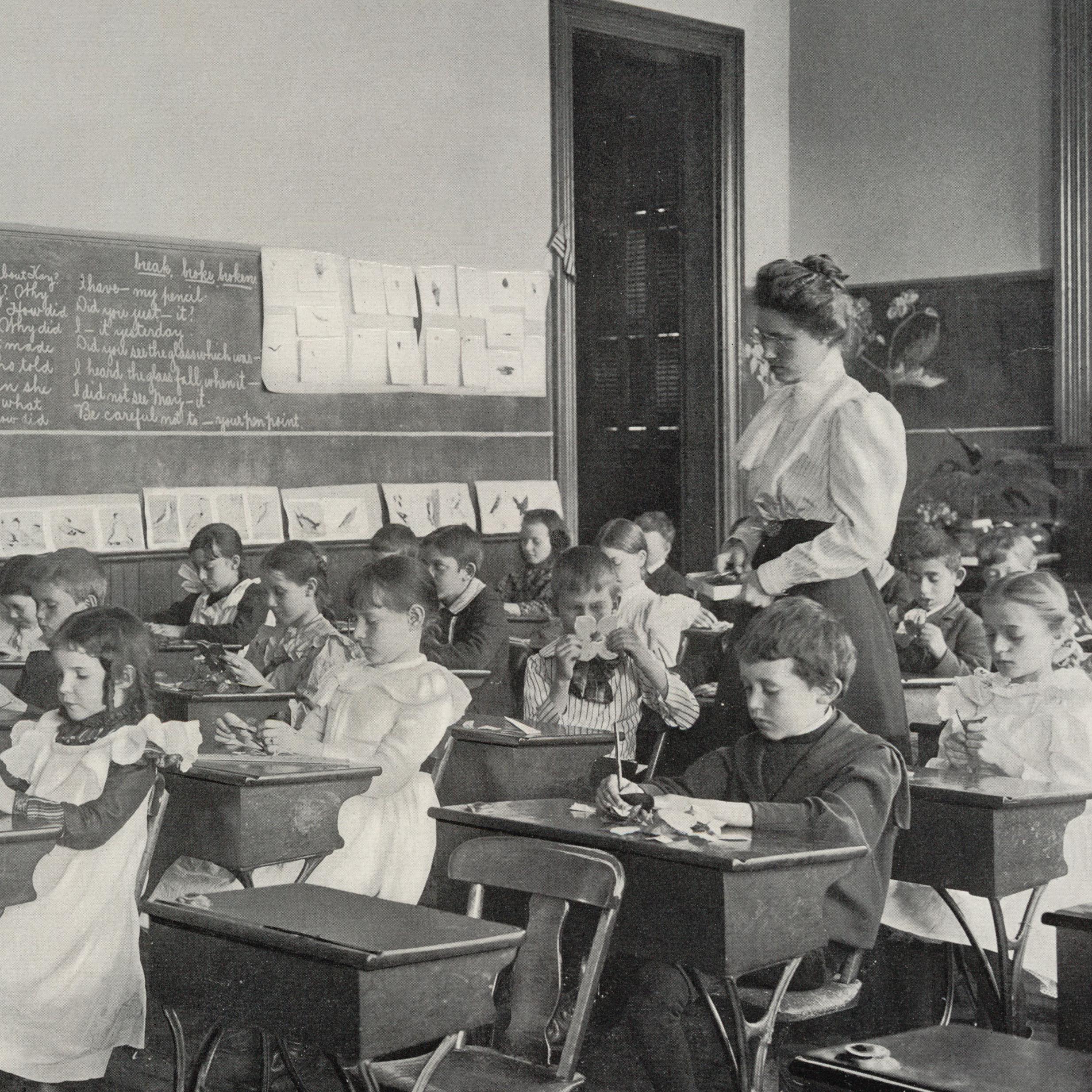
A republican-era school in Adelaide, west Sutherland, in 1883 (right)
The Amendist Church schools set up as a parallel to the state school system were taken into state control, while the state heavily increased the presence of literature and science in the curriculum, and expanded school boards, libraries, and university construction. Women were now finally given the ability to obtain university degrees, having only been permitted early and middle stage education until then, from the foundation of a number of women's only colleges at top Sutherlander universities. The initial carve-out, allowing school boards to pay for poor children's admissions to Amendist Church schools, proved so divisive that it cost the Liberals government in 1879, and is partially accredited for the rise of leftist electoral politics in the same election; the subsequent Nationalist government began the nationalisation of Amendist schools, allowing them some special leeway until the early 1900s secularism laws. In 1908, schools were established by the state for the blind and deaf; these would expand into the special needs programmes and schools in the modern day eventually.
Curriculums under the Godfred Roscow administration of far-right Richeists were heavily adapted to weaponise the system, which intensified as his rule grew more paranoid and ultranationalist. Girls were once again excluded, religious aspects were reintroduced (only to be dropped in 1923), and teachers were sacked en masse if they were viewed as disloyal to the nation. Roscow, who idolised Frederyk IV, aggressively removed modern science, philosophy, and nondenominational, secular education on religions, replacing it with a curriculum that matched his desire for duty to the nation above all else. The civil war damaged the physical buildings considerably, while the civil service and wider public sector was weaponised by Roscow during his 5-6 years in power, creating a cautionary tale for future governments away from weaponising education, as had been done for the previous century. Oratory was also removed from the curriculum, as Roscow viewed that it could be weaponised against him and his authoritarian rule, especially after a number of teachers were reported for (apparently inadvertent) transgressions during oratory classes.
Modern education and the "social-democratic" cycle
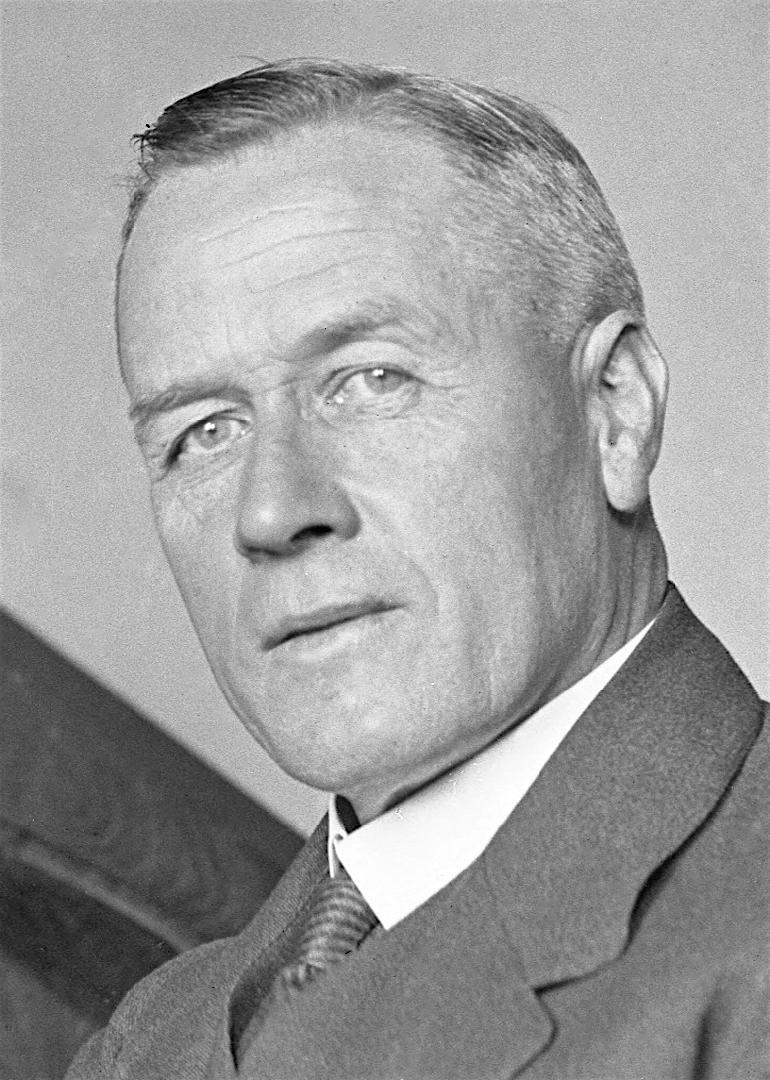
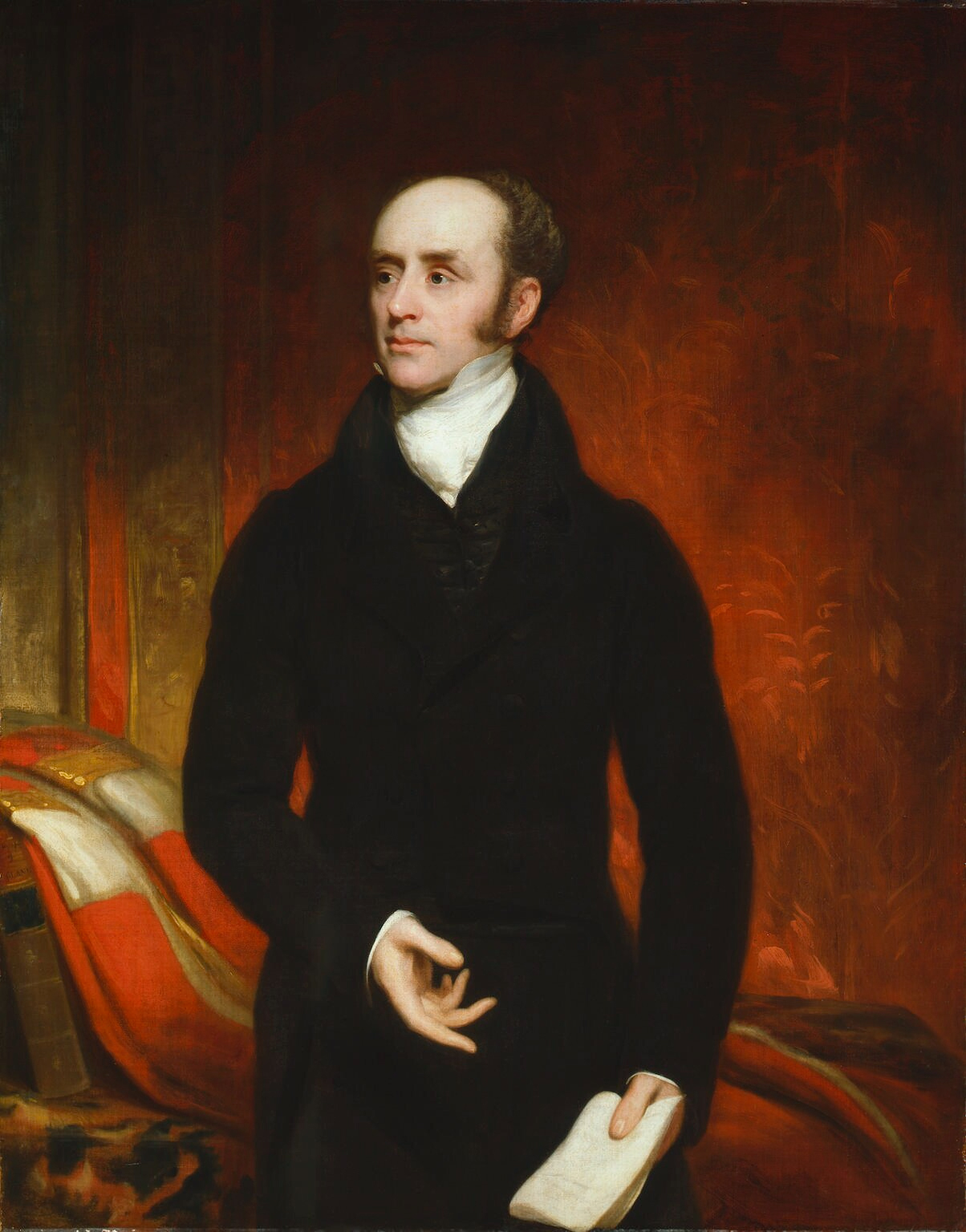
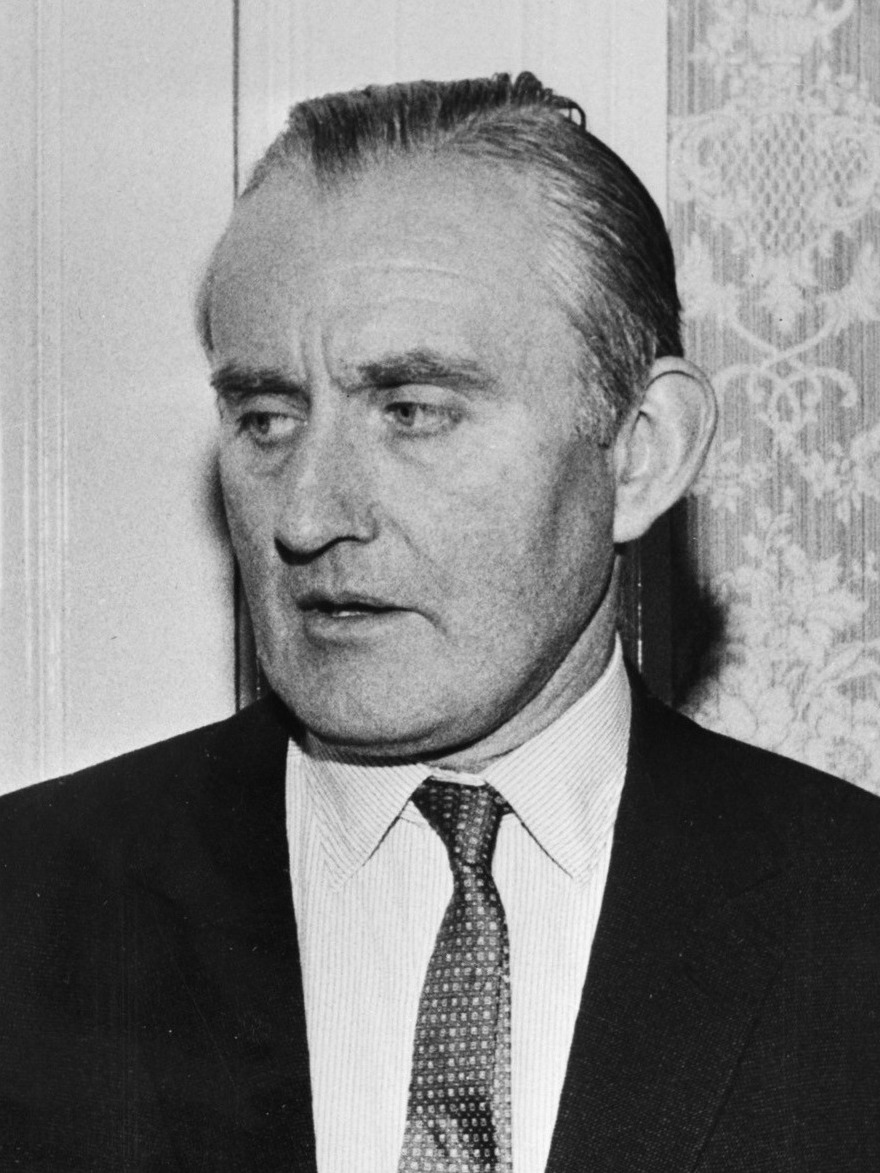
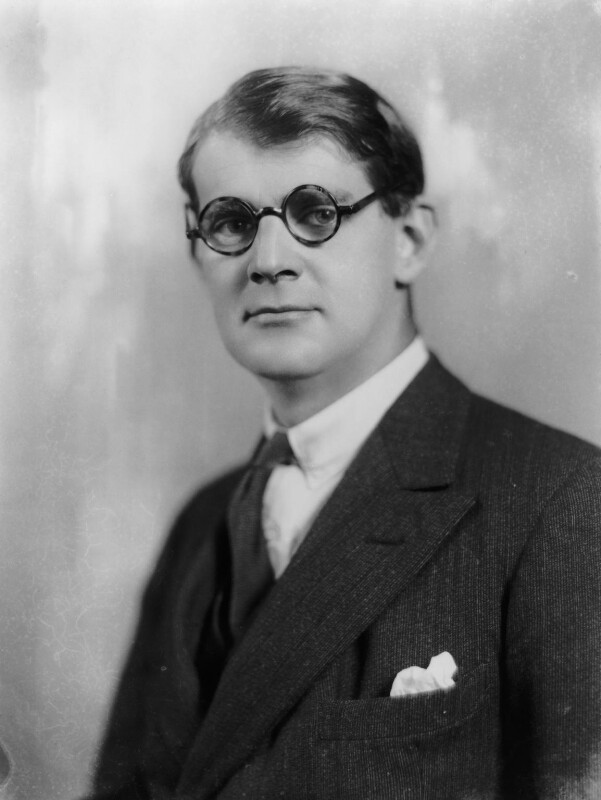
Chair of the Board of Schools (1922-1927), then Reeve for Education (1927-1931), Alastair Broderyk (Labour, pictured on right) was a noted reformist and implemented Drake's "national planning" policy to the education sector
In 1925, the Labour government of Howell Drake inherited an education system stripped of much of its use, and infused with Richeist sentiment, as well as teachers who were examined on loyalty, not merit or skill. In Drake's words, "it was critical that the far-right model was knocked down and rebuilt tile by tile".
The "þreyscolen" (three-schools) programme which Drake's Reeve for Learning, Gordon Þurling, implemented the following:
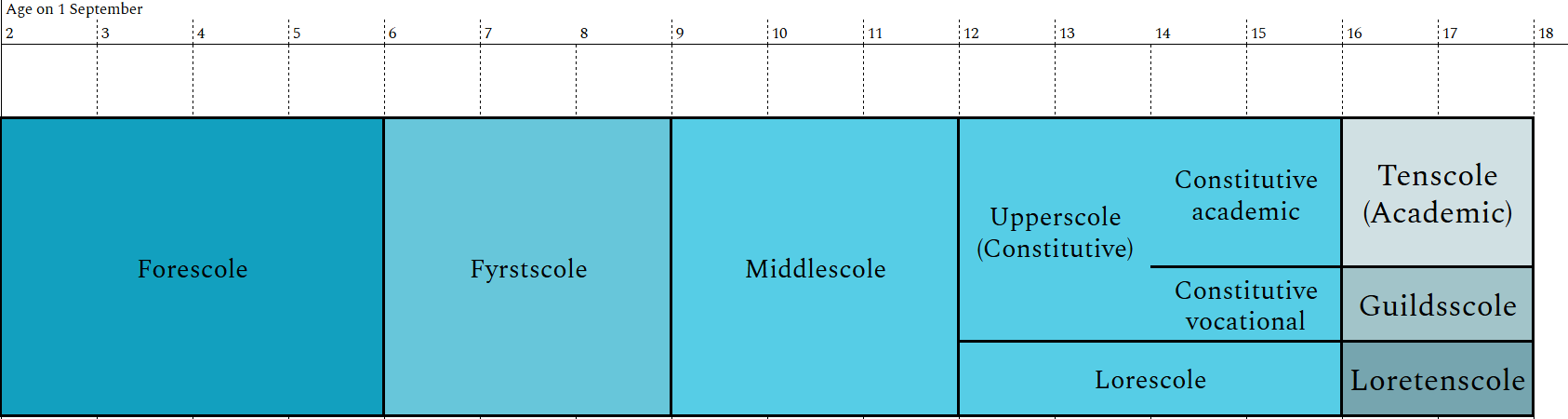
- "Forescolen" – preschool – from the ages of 2 to 5, optional, focussed on childcare and "enriching"
- "Fyrstscolen" – first schools – from the age of 5 (fyrstyere) to 9 (feowerþyere), concentrating on primary or foundational education;
- "Middlescolen" – middle schools – from the age of 9 (fifþyere) to 12 (sefenþyere), concentrating on intermediate education and with an emphasis on core skills;
- "Upperscolen" – upper schools – from the age of 12 (ayȝtþyere) to 16 (twelfþyere) or 18 (feowertenþydre), with three different types (trades, constitutive, academic) and the Cæmnyng exam at the end for university admission;
- Loresteads, whose education is split between undergraduate (typically, not exclusively, 3 year degrees) and postgraduate (dependent on sector).
The national curriculum was also reformed, to include greater emphasis on the other studies rather than maths and literacy, such as geography, history, and religious studies - the latter was made non-denominational when talking about Messianism, and also emphasised other religions in the Commonwealth, like Druidism, Shaddaism, and Taslim. Oratory skills returned, as was the Sutherlander tradition. The trade school system proved largely theoretical in practice; only 2-3% of schools constructed between the fall of Richeism in 1925, and the end of the 1940s with the Trade Schools Law 1949, were actually trade schools. Instead, constitutive schools largely displaced them, with many becoming renowned for having better technical education than the trades schools. Meanwhile, academic schools proved controversial due to the option of them being selective; these selective schools were largely the nationalised variants of the private schools operated by the remaining private institutions, and were a compromise to prevent circumvention of the law. There were divisions in Labour over the continuation of these selective schools, even if they were non-fee-paying, as they benefitted those who could provide tuition to their children for the 12+ exam: one junior minister at the time, Alfryk Wilbryht, commented that "the Labour party, absurdly, is introducing a class divide into its own public education programme". The school leaving age was set at 16, avoiding initial speculation that children would be allowed to avoid doing their upper school exams in order to seek employment from 15; Howell Drake noted at the time that "the opportunities of the working-class must be preserved, with no incentive to step back from those opportunities". Wilbryht was representative of a tendency on the Labour left to view this as a capitulation to the nation's pre-existing elite, but Þurling referred to the opponents of the law as "idealist ponderors", and dismissed their criticisms.
There was a trend of tug-of-war politics over academic schools, with their powers gradually (but inconsistently) reduced compared to the constitutive schools over time. However, some wapentakes and hundreds (local councils) encouraged their construction, viewing them as creating better opportunities and attracting the highest-level of pupils. The trades schools were turned into constitutive schools entirely in 1949; this created the groundwork for the eventual model of bifurcation that would last into the modern day, with constitutive schools being able to provide both vocational and academic pathways. A large number of universities were built inbetween the 1890s and 1940s, known as red brick ("redtild") universities for the distinctive colour of many of their buildings.
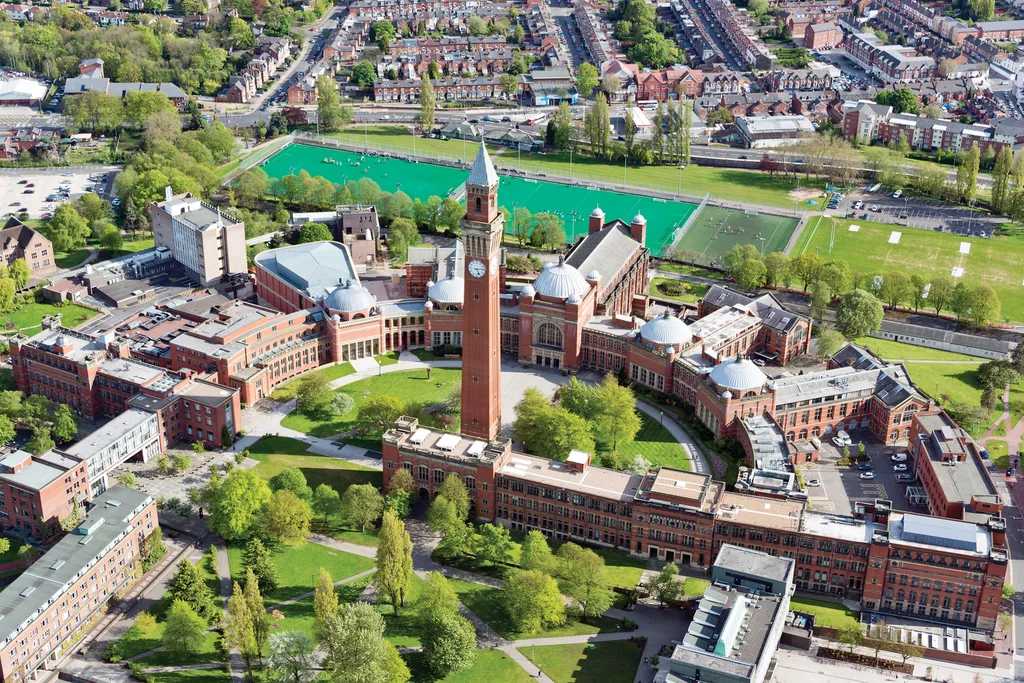
The Lorestead of Colne (pictured on right) is an example of a "redtild" university in Sutherland, built between the 1920s and 1940s
In the 1950s, the Future Generation Report 1951 created the benchmark for education reform. Corporal punishment was outlawed in schools, learning (particularly in first schools) transitioned away from rote learning and dictation and towards more interactive, child-friendly programmes, while standardised testing (as a rebuke to the academic selective schools, but more broadly to the "over-testing" of students) was broadly discouraged. Work experience programmes were opened for those in eleventh year, and the school leaving age was raised in part to 18 - it was now mandatory to take part in some form of part-time education, whether that be an apprenticeship, vocational education, training, or academic education towards attaining and taking the Cæmnyng.
The first year of school was turned into a part-time year of education at "pre-school" level, an allocation of free childcare was legislated for in 1953, and the curriculum was reformed to become more well-rounded. Greater paths for contact between parents and schools were made during this time. The Report also advised that there was an underrepresentation of male teachers, although this issue was never fully rectified. Meanwhile, centuries of underrepresentation, underinvestment, and insufficient fixes to rural areas had caused a notable divide in rural-urban education outcomes; this in part has been blamed for Labour's underperformance in urban areas, as well as lower life expectancy in the 1950s-1970s, and lower income growth in these regions. This divide has closed somewhat in the modern era, but still is arguably present, with Lorestead of Brunswyk professor Allred Damdore claiming the "city dividend" was roughly a 10% higher income, 15% higher university admissions, and a half-grade for each exam taken in 2022-23. The Report also recommended the scrapping of the Cæmnyng in favour of less standardised exams, however this step was never taken.
The Franklin Argall government (Labour) in the 1960s and 1970s disincentivised further from academic schools, viewing them as antithetical to the Labour party's education policies; they introduced a law in 1968, broadly asserting for wapentakes and hundreds to prevent further construction of academic schools (which was broadly adhered to), while a 1969 law demanding them to submit plans on their "full phasing-out" of academic schools by 1980 was largely kicked down the road, with the Byford-John Liberal administration that followed in 1975 largely disapplying the law. He also emphasised the need to reduce disparities in education; funding was modified to provide "premiums" to schools with high rates of poverty, and both local businesses and charities were helped to be involved in impoverished areas to improve links to communities, employment, and education opportunities more widely. Class sizes were reduced to a maximum of 30 in upper schools and 24 in first schools, while rural provision of education was targeted as a major inequity. Argall, while not banning the remaining private schools and those which had gradually popped up in the preceding decades, disapplied charitable status from them, resulting in their higher taxation; private tuition levels fell in the three decades after this change.
He, and Byford-John as his successor, instituted for apprenticeship schemes (especially in aerospace, nuclear, oil/gas, power generation, and construction) to be expanded for 15-17 year olds, however the gradual deindustrialisation of the developed world in the 1970s to 2020s has reduced this programme's effectiveness. Despite this, rural education remained problematic; this resulted in some level of autonomy granted to more expansive and disconnected hundreds and wapentakes, in addition to state subsidies for teachers taking rural school jobs, but inequalities remain to some extent. The Liberal government of Malcolm Lamont reduced constitutive education spending in order to revitalise academic schools, and cut premiums to poorer areas, resulting in teachers' strikes in the industrial south in the 1980s; Westmorland schools were forced to reduce their teaching hours due to repeated walkouts and strikes, while simultaneously taking on the brunt of premium cuts. The Lamont premiership included new vocational schools as a revitalisation of trade schools, but this largely proved a flop, and was scrapped altogether when the financial crisis of 1988-90 stripped the government of funding to kickstart it.
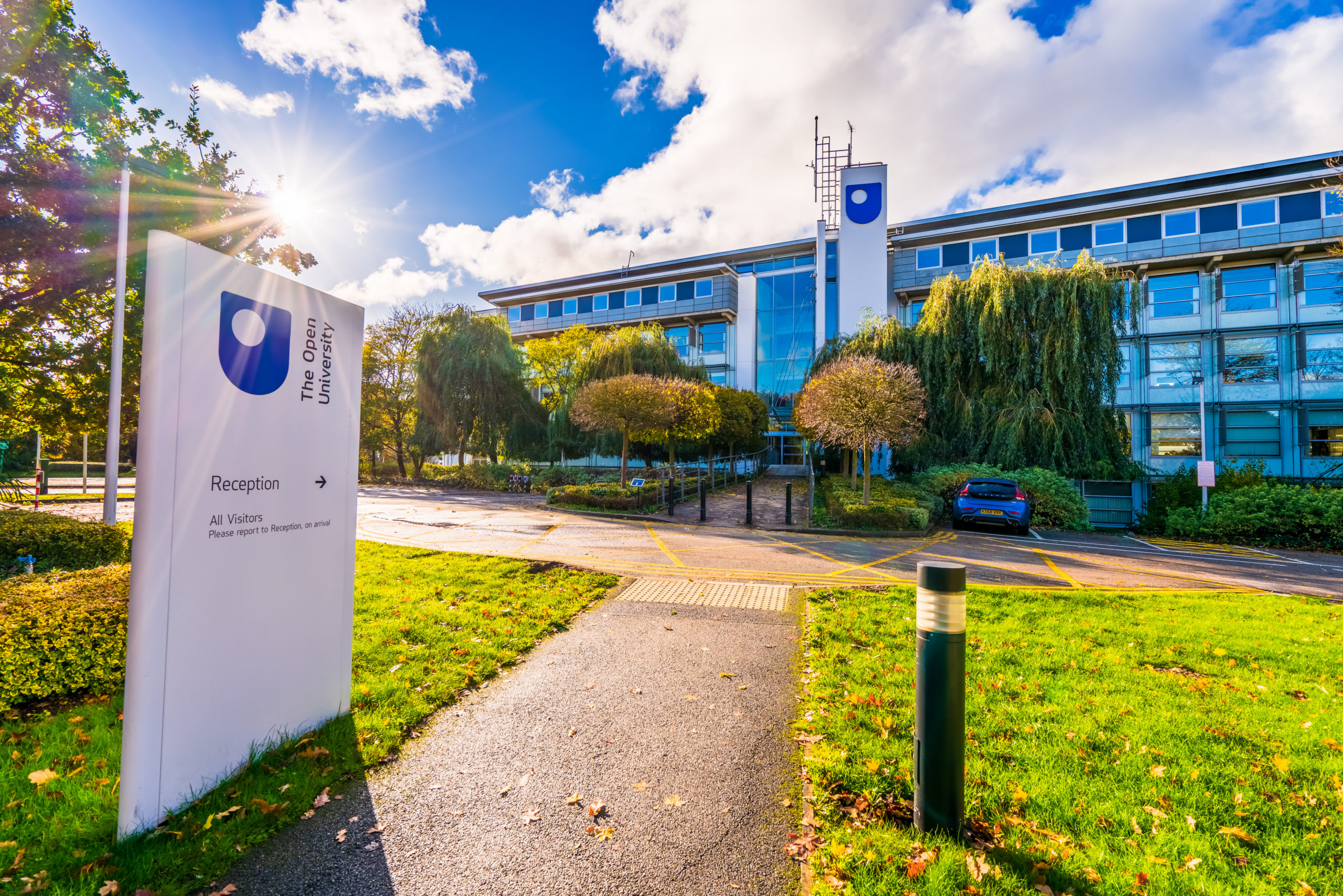
The Open University (Openlorestead/OL) has been a key education-providing institution of Sutherland since its establishment in 1994 by Godfrey Eldredsson's Labour government
In 1993, the Eldredsson government of Nyarverth (Labour) introduced "baby boxes"; these, amongst other things such as clothes for newborns, thermometers, a towel, a changing mat, and a mattress/mattress-protector/fitted sheet set, included a number of books to read during the child's infancy, which were further expanded to include books sent on the child's birthday, every birthday, until they turned eight years of age. Most governments made some promise to reform and "revitalise" vocational education, however the academic pathway continued to be over-represented, while apprenticeships continued to make up fewer than three-percent of total employment at any time; Malcolm Lamont in 1990 described it as the "elephant in the drawing room". Home education was heavily regulated and restricted, with regular check-ups and a set curriculum. The Open Lorestead was also set up in 1994, to encourage people who could not attend university due to full-time job commitments or other issues to gain their degree over time, which took off due to the internet in the 1990s and 2000s. Meanwhile, university tuition remained free for all, and grants were made available for maintenance and lodging. The Cæmnyng was made optional, but only for students not aiming to go to university, in 1997.
The Almeida (VDA) government in the early 2000s instituted reforms to reverse the ban on academic schools, to little avail. In 2005, Mitt Hawkins (Labour) introduced the Private Schools Law, which transitioned funding of private schools to the state sector; this banned private tuition fees, and means that in the modern day, most private schools are either regulated faith schools, or Waldorf schools. Free nursery was expanded, as was childcare, while maternity and parental leave was expanded to the current 480-day split 80% reimbursement (for first 400 days) system. He also introduced trust funds for all kids born on or after 2004, which included a 500 shilling (~$350) portfolio which appreciates at low risk. Education has also moved to become more flexible between the bifurcated paths; students are able to take on elective subjects from both vocational and academic pathways until they enter thirteenth year (16-17), due to the presence of constitutive schools. The baby box has been moderately controversial from the political right, who claim that the governments have been controlling what children read. The use of the Open Lorestead increased in the 2010s, opening more courses and increasing enrollment dramatically.
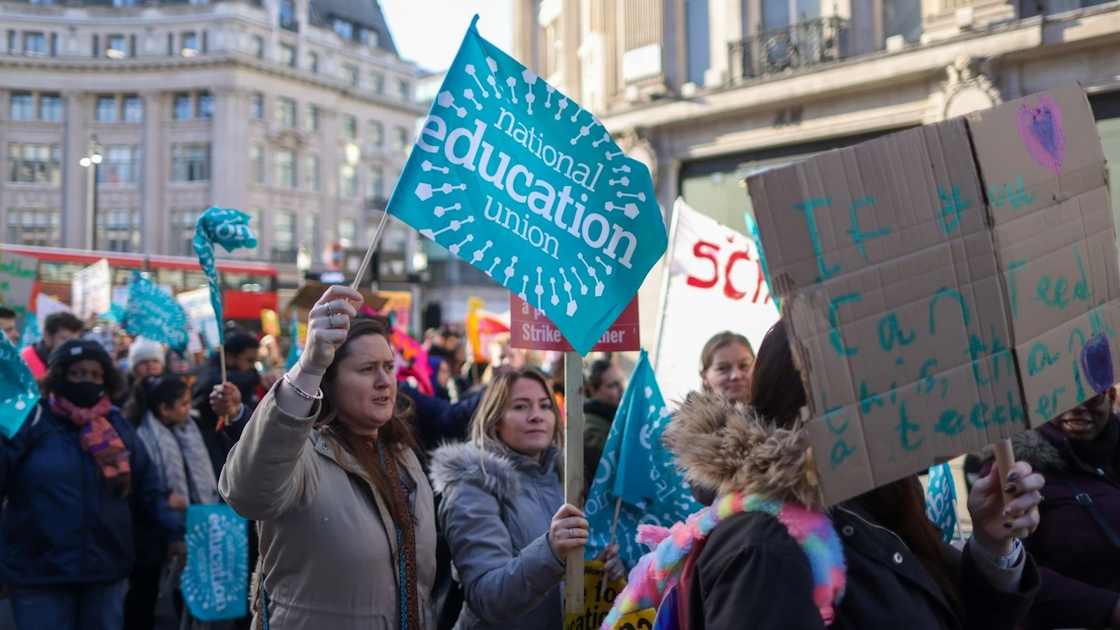
The education sector, which is highly unionised even compared to other Sutherlander public sectors, went through significant periods of industrial action (2022 "Strike for Fair Pay" march in Averreth pictured on right)
In the 2010s and 2020s, most education issues have surrounded funding and expansion; after Tiago Bráz's "Hospitals and Schools" pledge, the education sector received record grants and funds in the 2011-2019 period (roughly 6% per year), while Frederyk Yemm's Liberal free school programmes to academise some schools from local government to charity/trust control were scrapped in 2012. Cæmnyng performance somewhat stagnated in the early 2020s, before picking up again in 2024-2026. The Crash caused the incoming Liberal-VDA government to stress debt control and fiscal responsibility; university maintenance grants were frozen for six years, while teachers' wages rose only 9% in real terms since 2018 to 2026, leading to industrial action such as strikes and walkouts which intensified during the housing welfare cuts controversy in 2025. Education spending increases slowed to 3.5% per year, but the incoming Labour government increased its budget to schools and education by 7.6%. Nevertheless, there remain significant issues with infrastructure and capital spending - the result of nearly a decade of capital underinvestment has resulted in increased marginal costs, as well as emergency repairs in 2025-26, while bidding rounds in the early 2020s for investment proved controversial, as it was viewed there was "selective competition" for basic service commitments like maintenance. Hub schools opened during the 2020s have somewhat closed the teacher training gap in rural areas, while the "competition" for service commitments resulted in an unexpected spike in technical education funding towards rural schools (though this remains vastly outweighed by the downsides of chronic underinvestment across the board in education), and the Labour government has accepted union recommendations for increased pay for struggling or rural/remote schools' teachers to retain staff.
-
Modern system of education
Forescole (nursery -> pre-school, usually conjoined but with year-tailored classes/activities) – ages 1-6 (optional)
Fyrstscole (first/junior school) – ages 6-9 (compulsory)
Middlescole (middle school) – ages 9-12 (compulsory)
Upperscole (upper school) – ages 12-16 (compulsory; semi-bifurcates at age 14 ahead of Afters exams at age 16, "lorescoles"/selective schools separate but similar)
Further learning: Tenscole (sixth form within a constitutive) OR Guildsscole (guild/trade school) OR Loretenscole (sixth form college) – ages 16-18 (compulsory at least part-time unless apprenticeship pathway), at which point (if applying to higher education) they take the Cæmnyng
Childcare and maternity/paternity leave in Great Sutherland are extensive. Both parents have protected leave from employment until the baby turns 18 months of age, whilst they receive 480 paid days per child at a maximum (until the child turns 8) allocated between them both - 90 days of this each is non-transferrable, while there is a 30-day minimum for mothers to take off work immediately postnatal - and 15 hours a week of forescole (pre-school) is free from the age of 1, with the remainder above 15 hours subsidised heavily by the state. The flexibility of parental leave in Great Sutherland is notable; parents can take half-days, full days, or even shorter periods off work. For the first 180 days of the 480 day period, 100% of their salary (up to a called amount) is paid to the parents, reducing to 80% for the following 200 days, and then the statutory level of ʃ50 (~$35) per day thereafter for the remaining 100 days. There are also additional days for parents of children with disabilities, and flexibility for those with sick children or other caring responsibilities. The only criteria for this is that the parents must have worked, and paid social security taxes for at least 180 days before the birth of the child. Many employers also offer top-up rates to supplement the statutory levels, largely entailing collective agreements between unionised workers and the employers and/or government (where the state is the employer).
Unlike many other education systems, Great Sutherland does not begin formal education until the academic year in which the child turns 6 years of age. This is largely because the Sutherlander model features a focus on developmental skills, constituted of holistic, play-based, child-centred education (as well as reading, which is why the government sends books to every child on their birthday until they turn 8) rather than more formal or pressure-based forms of education. This is preserved into the first year of fyrstscole (often treated as a preparatory year), if not the second in many ways, to some degree. Middle schools (middlescolen) are invariably attached physically to first schools, but operate with different key stage education levels, in order to prevent an unnecessary break in children's education and social development but also make a clear break between the early and intermediate stages of public education.
Most children in Great Sutherland then go to a constitutive upper school, however some succeed the 12+ exams to a selective institution, whilst others go to regulated faith or Waldorf schools; there are no for-profit schools catering to these children. The level of optionality gradually increases from a low amount in the first year, which is viewed as the ideal year to teach a wide variety of subjects in order for children to learn which subjects they prefer or excel in, to specific pathways (often split to academic and vocational, where subject departments usually fall under the authority of, however children almost always choose a mix of subjects which only
leans one way or the other due to the semi-bifurcation) which they will take for their "Afters" (age-16 exams). Some children will attain an apprenticeship with these, while others will go to guild/trade schools, but the majority will go on to a (lore/)tenscole (sixth form college) - sometimes, these are attached to upper schools. This level of education is much more specialised, and tenscolen are often much larger institutions to provide the variety and specialisation required on a large-scale basis. Academic pathways to higher education, mostly universities (loresteaden) will result in the student taking the Cæmnyng, a matriculative exam in the subjects the student chooses at age 16 and has studied for two years.
Undergraduate degrees are free for home students, and heavily subsidised for international students, with some degrees (e.g. medicine) being free for international students too. There are no for-profit universities at this level. Undergraduate degrees generally, but not exclusively, last three years, at which point the student aims to graduate with a
Kandidætsgrad (KdG) or equivalent bachelor's degree level (e.g. LFÆ, law degree at undergraduate level) - some degrees, e.g. fine arts, do not class as KdG and therefore have negotiated tuition fees rather than free rates, while many more are attached to some form of practice contract. There is a visa "fast-track" skills-based pathway for both qualifying degrees (e.g. engineering/law/doctors), widespread student exchange programmes (particularly with SEAL nations, a bloc of 4 countries with ~500-600 million inhabitants), and for those entering degrees with practice contracts, which is built to grant permanent residency rapidly, while Sutherland's high wage bargaining power, peaceful geopolitical surroundings, part-subsidised and/or zero tuition fees, and generous wage/benefits attract many seeking to leave their homeland. Sutherland pays students of many degrees a grant, viewed as an investment in their choice in a critical sector, while all students receive the ability to claim maintenance grants and loans from the School Finance Board (SGB); the minimum entitlement (i.e. someone with no extentuating needs, above the sliding scale of parental income, and no specific subject grants) in 2025/26 is ʃ10,740.58 (~$7,500), 90% of which is in loan form. Loans accumulate interest at 0.5x the rate of RPI, or 0%, whichever is higher, whilst there is a minimum income threshold to pay (ʃ45,821.99, or ~$32,100), at which point you pay a minimum of 7.5% of your income until your loan is cleared. There is a level of standardised classifications:
1:1 - "Fyrst-fyrst" or "an-an" - 80+
1:2 - "Low-fyrst" or "an-twayn" - 70-79
2:1 - "Æftra-fyrst" or "twayn-an" - 60-69
2:2 - "Æftra-æftra" or "twayn-twayn" - 50-59
3 - "Þryþ" - 40-49
"Onefold" (lit. Standard) - 39-, often not considered a "proper" degree
Postgraduate degrees are more dependent on the course, although there are subsidies, grants, and loans made available through the SGB, while many employers will pay their students through the postgraduate degree/equivalent in exchange for the student training for a job in their enterprise/business. Similarly, the Open Lorestead provides a route for adults, and those who cannot attend university, to attend - courses are usually subsidised by around 70-90%, and can be conducted in full-time or part-time according to the needs of each person enrolled.
Statistics as of end of 2024/25:
Number of pupils (up to 16):
22,049,375
Number of further education (16-18) pupils:
6,183,004
Number of higher education (university or similar) pupils:
6,682,049 (73% undergraduate)
Full-time equivalent (FT=) number of teachers:
1,244,840
Percentage of 19-64 year olds with a National Grade Level 4 (1 year at university or over roughly) or over:
53%
Percentage of 25+ year olds with a tertiary degree:
46%
Percentage of 16-24 year olds classed as "NEWT" (Not in Education, Work, or Training):
10.6%
Pupil-to-teacher ratio:
15.4 (fyrst-middle),
12.4 (upper)
Education spending as a % of GDP:
7.6%
Literacy rate:
≈100.0%
Mean years of schooling:
13.6
Expected years of schooling:
18.8
Percentage of 25-64 year olds with a literacy proficiency of just level 1 (developed/OECD avg: 27%):
10.8%
Percentage of 25-64 year olds with a literacy proficiency of levels 4-5 (developed/OECD avg: 12%):
22.0%
Literacy, numeracy, and problem solving skills:
289, 287, 273