History of healthcare in Sutherland
Background
(right) Depiction of a physician upon a Brigantian sarcophagus, c.200CE
Healthcare in the Brigantian Empire was relatively advanced for a classical society. Brigantian city-states varied widely in their level of provision and model of choice, but their system was typically categorised by a provision of public sanitation works projects, and the appointment of ffisigwyr (physicians) by city governments. These were split into trained physicians who practised privately, and those elected by city assemblies to provide for the poor, as well as an increasingly national system of army doctors.
Brigantian medicine stressed the use of oral tradition over written medical texts even into the relatively bureaucratised height of the empire. However, this gradually eroded, while stressing the use of native flora and household antiseptics in the Brigantian wilderness harvested through ceremony. Brigantian medics would also typically prefer the adjustment of a patient's lifestyle, eating habits, bathing, or exercising habits over more direct or intrusive interventions. Temple healing was commonplace into the middle and late eras of the empire, where people visited sacred religious shrines to seek cures for physical and mental illnesses.
For the average free man, the services of most trained physicians were well out of reach. The Adfywiad (lit. Renewal) in the 300s CE saw a shift towards more widespread charitable provision of civic healthcare through publicly-available hostels and hospitals to provide shelter, free food, nursing, and (basic) medical care, as well as an expansion of the elected physicians system for the working-classes; most healthcare, however, was practised in the household or in basic lifestyle choices. Spiritually, Brigantians believed many illnesses (especially regarding children or sudden illnesses) were due to supernatural beings or the malicious gaze of others, which lent itself to the practise of incantations alongside herbal remedies for druids, temple healing, and physicians, as well as the isolation of the sick.
Despite the 284 decree by Anasaid declaring that every "sick man" had the legal right to care, this public "right" was unevenly applied. This was because the level of elected physicians was usually vastly insufficient to cater to demand (the city-state government of Talysarn recorded just eleven doctors for a free population of twenty-seven thousand in 237CE, rising to thirty-two in 337CE), while private physicians would charge fees targeted more at the upper-classes, although more informal medicine was commonplace. Charitable provision had already been somewhat commonplace in Brigantian cities, but was also usually insufficient in the largest metropoles. However, sick houses were often provided, and the wddrys demanded that any illegitimate injury inflicted required the victim to be cared for adequately by the perpetrator's household directly. Midwives were explicitly provided by most Brigantian city-states by the 100s CE.
There was also usually access to public baths for a nominal fee, while the more advanced city-states typically provided access to clean drinking water through the dyfrbont (lit. aqueduct) system, although some cities levied a tax for access to this system. The heads of each household were generally expected to know basic household medicine, while there was a significant reliance on local flora and herbal remedies through herb sellers, while temple healing shifted with the Adfywiad to become a wider part of charitable healthcare practices. Veterans and retired citizens (a heavily overlapping group) had access to a separate sect of civic hospitals and doctors in most Brigantian cities by the late era. Thus, whereas the most primary city-states had aqueducts, sewers, public physicians, hospitals, and middling towns or satellite cities/vassals still usually had baths, wells, some physicians, the villages and rural areas (where most people lived at the time) usually only had access to roaming physicians/charlatans, some wells, midwives, herbalists, household medicine, and possibly a single physician in the locality.
Fall of Brigantia
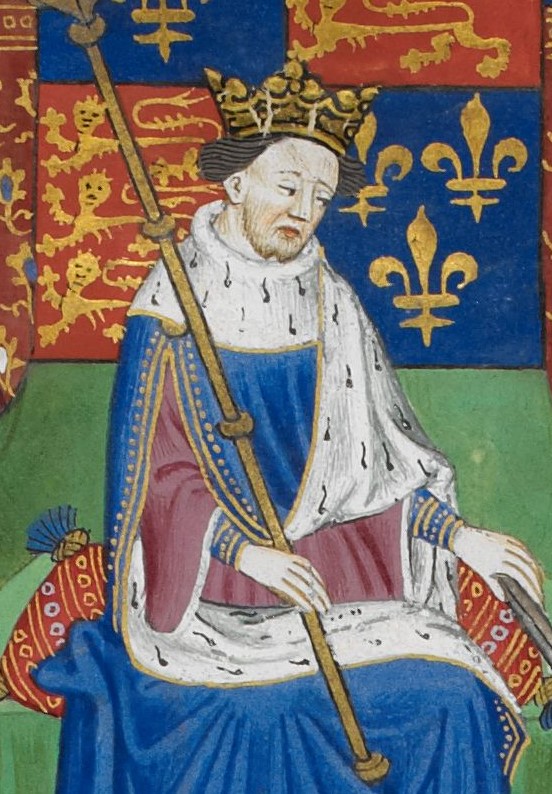
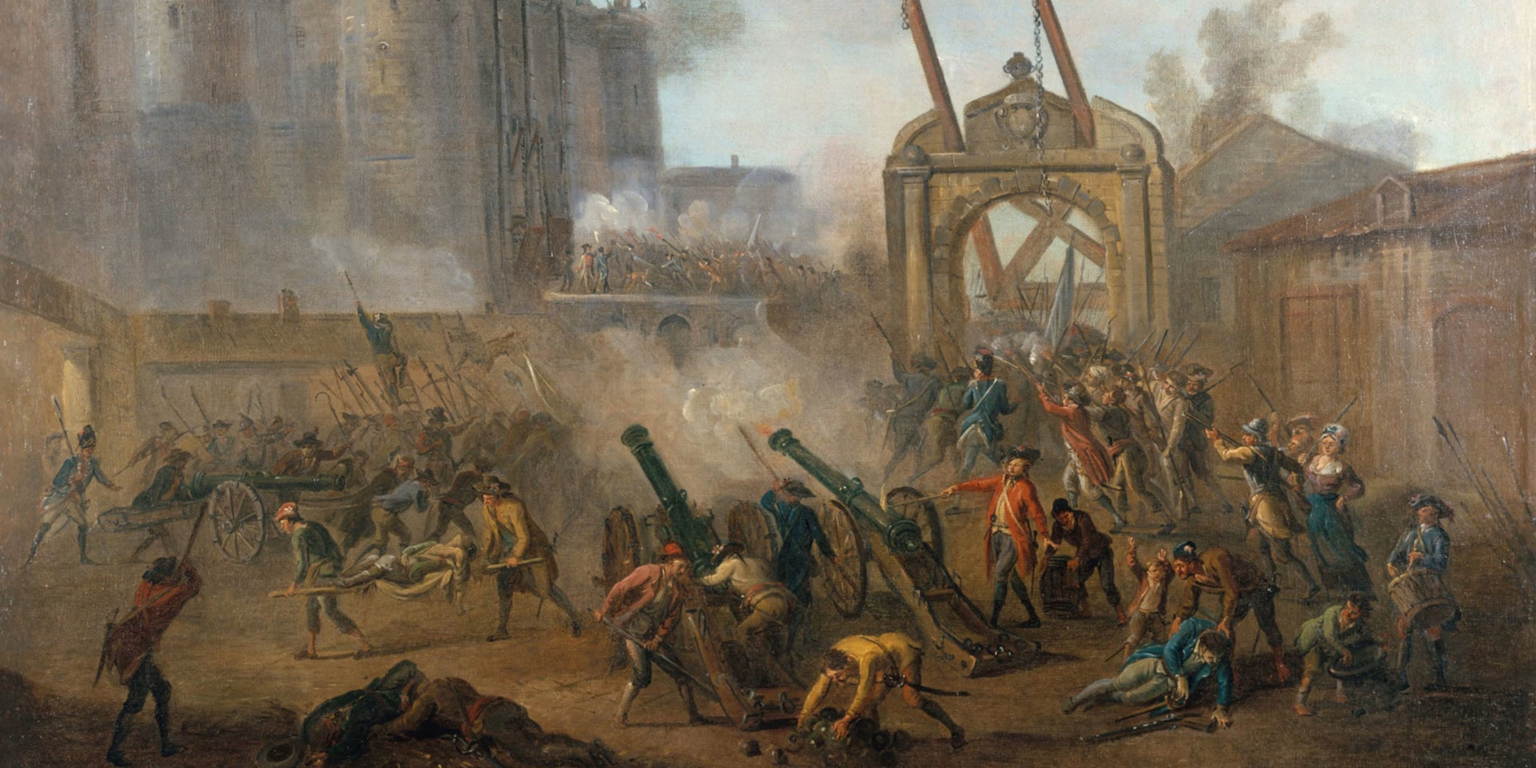
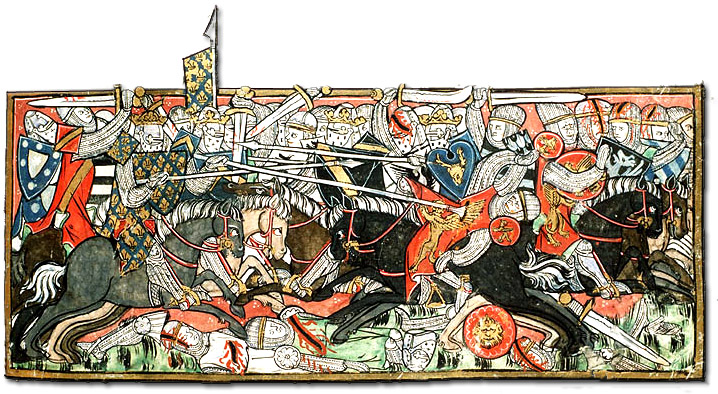
(right) Mediæval depiction of the Fall of Cefncaeron (631), in which the Tirrish king of Arcaster, Conghalach, seized the city from its previous Tirro-Brigantian administration
The fall of the Brigantian city-states was uneven, but by the 600s, most civic infrastructure was in heavy decline. The late Brigantian capital of Cefncaeron fell to Tirrish raids in the year 605, and repeatedly changed hands between sackings, until the Late Brigantian Wars (611-622; 630-635) destroyed much of the remaining infrastructure; the King Conghalach (631-632) deliberately destroyed most of the channels of the aqueducts, and the ruined city lacked the funding or bureaucracy to reconstruct them, which also drained any remaining baths that were not already shut down by the loss of timber supplies for underground heating.
While oral history was in some cases preserved into the contemporary era as the Gotic settlement (700s-1000s), the capacity for charitable hospitals retreated, and civic election of physicians entirely wound up. Without the constant flow of clean water from the dyfrbont to flush the public latrines and sewers, the drains clogged, which turned streets into malodorous, disease-ridden cesspools. Much knowledge about medicine also faded during this time, while more would fade with the gradual transition of the Brigantian languages to Gotic languages in the Sutherlands causing a rupture in the oral traditions.
The year 633 also brought Conghalach's Plague, which killed roughly one-third of the population living in what is now Sutherland, effectively marking the culmination of the transition of the Brigantian Empire into the post-imperial ruinous state in which Gotic settlers who were originally from the other side of the world found them centuries later. The oral history of Conghalach's Plague appears to have cemented a connection between poor health and civilisational collapse, as cemented in the nostalgic, rueful tone of 600s-800s poetry, as well as the distinctly similar tone of reverence for the lost age. The Old Norse word "illr" thus entered Old Atlish keeping its connotations of evilness, with the Middle Atlish word "theodsilrnes" referring to a state of civilisational or societal decay/ailment, often through evil or supernatural origin, that characterised the consciousness of Gotics in the Viking era under the subjugation of the Viking warlords. It is from this sentiment that the motto,
We schæl yedreogan, or "we shall endure", arises;
yedreoganess remains a somewhat archaic/poetic word to mean "national endurance".
Mediæval healthcare
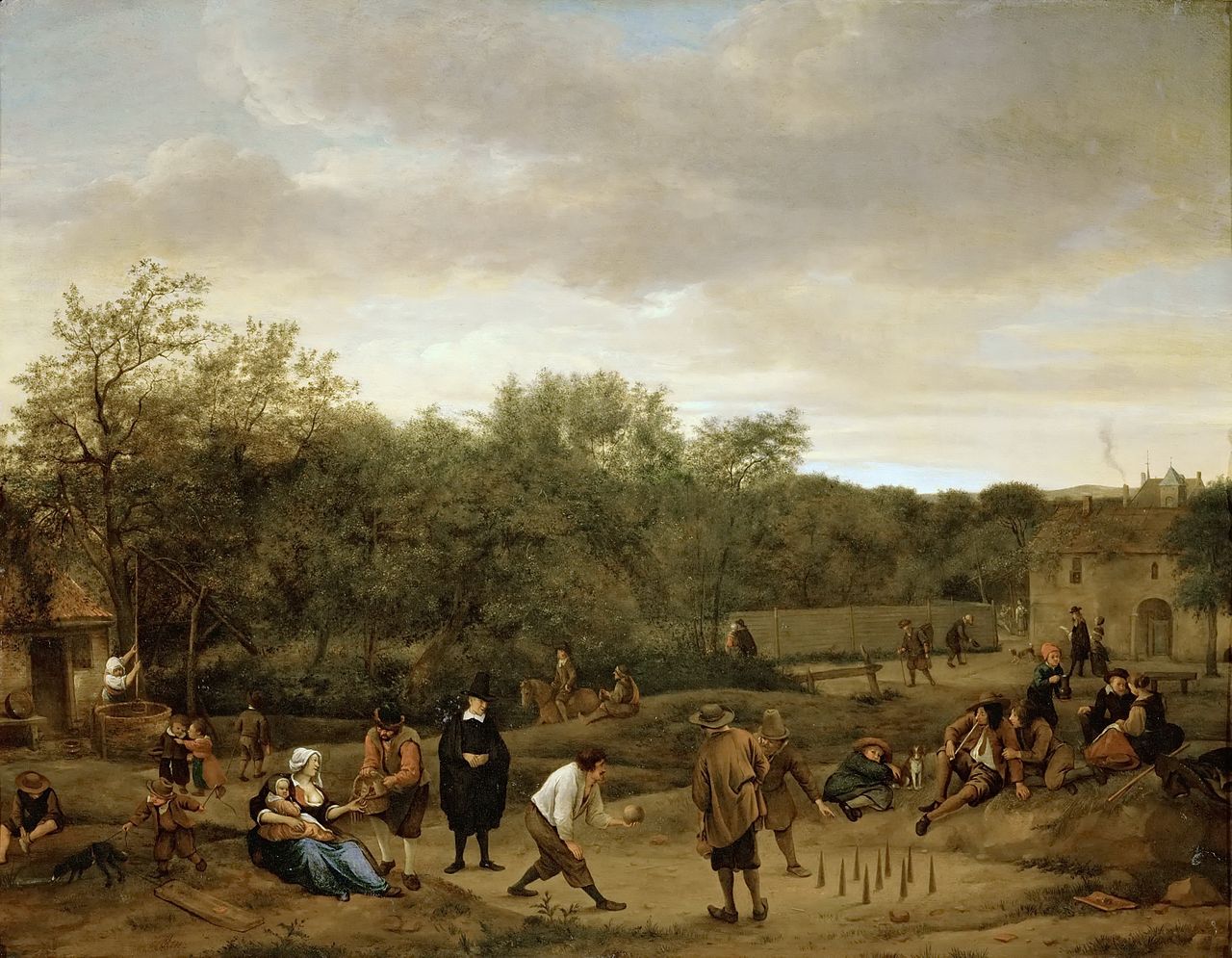
(right) 12th century depiction of Sutheran medicine
The successive waves of Vikings from Gothis brought Gotic health and medical traditions with them. Like the Brigantians, Gotics focussed on herbal medicine, however the focus on surgery and direct intervention brought a greater proliferation of professionals in bone-setting, lancing boils, cleaning and cauterising deep cuts and lacerations, and dental drilling, which was necessary for the demands of the warlord class.
The chronic infections, intestinal worms, and successive plagues suffered by the Gotics, who were nearly entirely killed by the Faraldr in 784 and who suffered repeated decimations as a result of being introduced to pathogens and illnesses they had no natural defence against (Brigantians, in turn, also received new devastating illnesses from the Gotics), contributed heavily to a major population decline in early middle ages Sutherland. The population of modern-day Sutherland had already fallen from roughly 8-10 million in 500CE to probably two-thirds of this number in 700CE, however the population thus fell to an estimated 2-3 million by 850CE. Conghalach's Plague had initiated the demographic collapse; subsequent famine, endemic new diseases, warfare, declining agricultural productivity, and migration prevented all but slow recovery from this collapse.
Briefly following the Faraldr, Sutheran Gotics were pushed to the western extremities of their former settlements, but the onset of the second major wave of settlers and a series of poor harvests reversed the balance of power, as did the hiring of Gotics by Brigantians as warlords and protectors - many of these mercenaries turned on their lords. By the onset of the Battle of Æyrstede in 978CE, which destroyed the Viking class, Gotic settlements covered most of the south-west two-thirds of Sutherland, while Suavidici Umbrial settlers had colonised what is now the Atinean-speaking region of Sutherland, driving Brigantians (now known as Cumbrics hereon) to the north-western hills, and far south. This brought a decline in temple healing, and with the spread of Messiandom, a proliferation of Church-sponsored healing and charity centres, which filled the void that secular and Brigantian healthcare had left centuries earlier.
King Æthelred the Steadfast (b.~951, r.978-1011) was fundamental in reshaping Sutherland. Æthelred's reign is seen as an early Renaissance. A literary and artistic flowering, mainly associated with Ælwold of Whithampstow - a favoured archbishop of the time who formalised the position of Whithampstow as primate to the other dioceses - resulted from Æthelred's reign, while the witans that were initially employed by the earldoms of Sutherland were now implemented on a nation-wide scale to conduct urgent business like tax collection, wars, and successions. He is also known as a prolific lawmaker and charter writer, and his insistence for distant lords and earls to attend his witans increased the scope of Sutherland's power over its frontiers to unprecedented levels.
The Lorestead of Westhampton (
Old Atlish: Lærestede æf Westhāmtūn), was established in Westhampton by royal charter by Æthelred in 1001; other centres of learning gave the bureaucracy and aristocracy liberal arts educations almost as standard from the 11th century. As Æthelred's lawmaking became more prolific in the 980s, legal education became entrenched in these centres, which appeared in Eamont, Brunswyk, Leashaw, Helgen, Ashingsby, Waldmere, and Upsholm. These centres of learning also taught a mixture of mathematics, logic, the sciences, statecraft, ethics, and theology, while being largely specialised due to their small size. In 991, the first lorestead to teach medicine (lǣċecræft) in Brunswyk (today the Lorestead Almshouse, where one of the Redery ministers - the Chief Epidemiologist - is from) was introduced.
Æthelred established a number of market burhs during his reign, and enabled the creation of merchant guilds during this time in an attempt to foster the creation of a mercantile class. Historians believe this is partially because this mercantile class would be able to participate in the nation's politics and support him over having any secondary loyalties, a tactic later deployed by Kings hundreds of years later when the mercantile class had developed influence, especially after Godwin III's reign. Burhs expanded greatly during this time too, and diversified, with the expansion of baths, granaries, stablehouses, wells, and libraries during this time. Grants were given to merchants and landowners at the time in order to incentivise further development, and Sutherland began to develop mercantile trades like the wool trade in particular.
Æthelred also commissioned new wharves and docks, especially along the Sound, and the construction of vast aqueduct systems in the most major burhs of the country (sometimes built on the repaired infrastructure of the Brigantian ruins where possible), building on innovations from monastic communities in the previous centuries and architecture from the height of the Cumbrish empire city-states. Drainage systems were also provided during this time. This era allowed him to centralise a bureaucracy for the governing and oversight of the ecclesiastical charitable hospitals, known as "almshouses".
This system of basic Church charitable provision overseen by a bureaucracy - and the very slow tug of war that occurred between the Church and the state as part of the wider main confrontation of the era - persisted throughout the mediæval era. An unprecedented documentation of illness, mental health, and visible disease, including that of Æthelred himself as he suffered "lingering", "wasting", and a "first death" (widowerhood/dementia, possibly), began during this era.
The Synod of Mede declared that the civilisational malaise of theodsilrnes, as well as most illnesses by extension, could be viewed as a punishment from God; this interpretation slowly hardened over the centuries. Using this proclamation as justification, the Medean Church of Messiandom was heavily punitive in banning the proliferation of ideas that directly contradicted theology and ancient texts; this era therefore saw the gradual withering away of historical medicinal practices on the mainland. This therefore meant that the Church simultaneously preserved organised medicine yet constrained its development. Training largely relied upon the teaching and copying of old texts rather than the discovery and testing of new ideas, although herbal ideas did pass into Medean teaching this way, as did translation centres.
The Age of Exploration brought the opportunity to learn from texts from the West, however this also brought the arrival of Western pathogens and plagues which devastated much of the population, particularly away from the ports where Gotic settlement had been lighter; this era saw a second population collapse for Cumbric peoples, and marked the start of the Fall of Camwall (1400-1711). The four humours also gradually became the preferred understanding, however miasma theory bled into the use of herbal treatment in such a way that non-invasive treatment regained prestige over the Viking-influenced interventionist approach; this approach is believed by historians to have appeared somewhat randomly, but to have been passively supported by the higher survival rates of these approaches in conjunction with the sporadic implementation of the non-invasive herbal treatment system. This implementation largely stems, according to this body of historians, from the documentation that Æthelred made possible showing significant mortality rates for invasive treatment, however historians dispute the causality of this.
Early modern healthcare
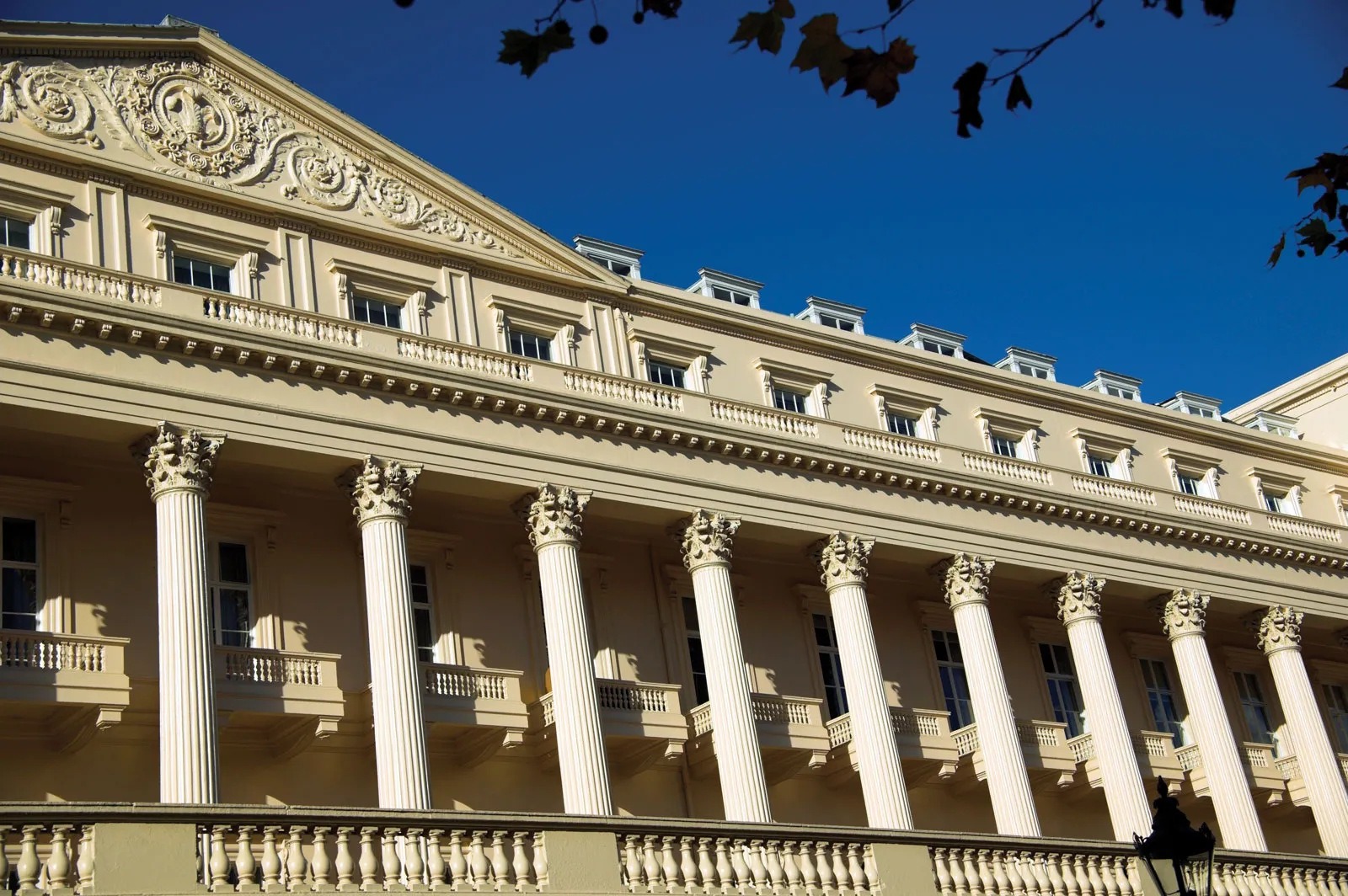
(right) The Free Republican Lybhall, then the Crown Lybhall, is the historic apothecary and royal society for scientific gatherings and endeavours, formed in 1705
The early modern era saw the mediæval system formalise and specialise. Observational medicine begins to challenge scholasticism, but informally. Almshouses gradually became larger and more specialised, as well as more well-funded and in some cases, explicitly state-owned. Physicians increasingly being trained through loresteads, and apothecaries/herb sellers becoming regulated guild professions, although the guild system broke down to some degree during the 17th century. Surgeons became a distinct occupation in order to avoid the stigma of general physicians performing risky surgeries, and midwives slowly began to gain formal recognition.
Knowledge and studying of trends in mediæval survivability of procedures, as well as the different social strata of early modern Sutherland, ended with hospitals developing separate wards for infectious disease, the poor, veterans, and trauma. Medical licensing by the Crown, Church, and local authorities all began to increase, and the era is characterised by an increasing use of written case records, as well as the survival of humoral medicine alongside empirical practice.
The Crown Lybhall (now Free Republican Lybhall) was established in 1705 as a royal society of academics and scientists, growing out from earlier informal gatherings of natural philosophers to receive a royal charter and funding allocations. The late Queen Mildred's son Malthe II, and his son Malthe III after 1711, regularly attended this society; Queen Mildred had often attended the informal gatherings decades earlier.
Discoveries about the human body, the discreditation of the four humours model, the use of microscopes, the influence of external factors like temperature, and "animalcules" (microbes) were all studied during this period, while humanist and secular ideas permeated the sciences, encouraging the use of observation, recording of descriptions, and suitable remedy prescription that was sometimes used in Æthelredic bureaucratic systems. This helped to create significant discoveries, including the formal separation of scarlet fever and measles. The dissection of bodies during this era, and general shift away from ecclesiastical study towards new discoveries and the use of the scientific method, began a renaissance in medicine.
However, as doctors and physicians remained largely the reserve of the rich, local lybhalls (lit. apothecaries) would be frequented by the masses in much the same way that herb sellers and informal physicians had in the Brigantian empire. Women continued to play an important role in the care of the sick. The first person to treat sickness was normally the patient’s wife or mother. In some villages, wealthy women provided charity and care for families. Many mediæval almshouses had been attached to monasteries or convents. After the Reformation, when the Medean Church separated from the Via formally, the hospitals were taken over by local authorities, funded by charity, and run by physicians.
In Eamont, Saint Cuthbert's was kept open in this way. Some almehouses began to concentrate on treating the sick, aiming to deal with patients’ symptoms and illnesses, but most hospitals maintained their focus on the provision of food and warmth rather than medical cures. Malthe III also wrote the Constitutions of the Healing of Men in the 1660s and 1670s in conjunction with the Almoot, which created critical governing state licensing requirements for physicians, standardised medical school curriculae, and penalised medical malpractice.
Edmund V's reign in the mid-to-late 18th century saw the furthering of military medicine; he prioritised the health of his army over civilians, ensured his soldiers received superior medical care, and provided government jobs and garrison homes for retired or injured veterans. His brother, Alrede (Earl of Northeskland), also pioneered massive medical reforms for soldiers, authorised early clinical trials for smallpox vaccinations, and heavily funded early mental health research. Towards the end of Edmund V's reign, his idea of education as a method of state control and improvement gradually expanded alongside neoclassicist ideas of reviving Brigantian healthcare, such that Edmund decreed that every man would "once again" have the right to treatment when injured and that the ancient Brigantian notion of wddrys (treating those whom you injure) was reimplemented (though the impetus was to fund or provide for treatment rather than administer it oneself). Edmund ordered for several thousand doctors to be enlisted to the treatment of the poor and vulnerable within poorhouses and charitable almshouses, however his death in 1788 largely resulted in the stagnation of the policy, despite the Leiring (liberalisation era) reforming other areas of state provision.
Republican era
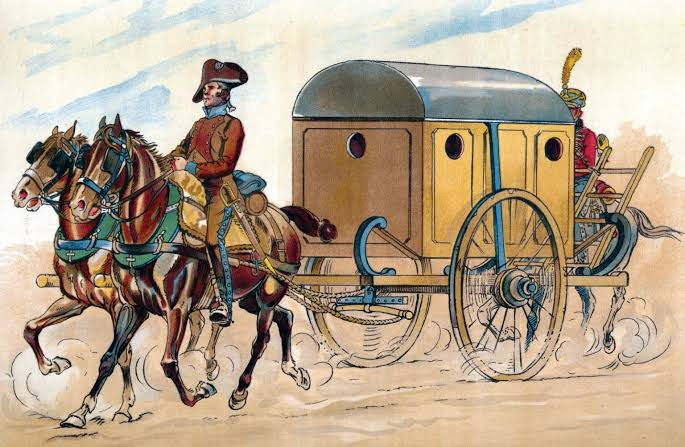
(right) A "luftensicwægn", lit. flying ambulance, pioneered in the early Republican era of Sutherland for military treatment at high speed
The reign of Frederyk the Last in the 1820s saw a recession of the neoclassicist Brigantian health policy and Leiring, however this was short-lived, and the policy had not been practised fully or wholeheartedly enough to become a major constitutional feature.
The King abolished the Constitution formally in 1827, and legally restricted the medical capacity of almshouses, believing organised medicine to be a feature that should remain reserved to the upper-classes and almshouses' function to be restricted to the feeding and warmth of the poors; he rationalised this by stating that these advances had only been achieved through the upper-classes' research and endeavours like the Crown Lybhall, as well as refuting popular sovereignty and the right to treatment as historical relics. Chancellor Graham Coulter formed the Constitutional Society, believing that the King had overstepped his bounds in disrupting the status quo and peace of the realm, seeking to force the King's hand back towards moderation. Instead, the King removed Coulter as Chancellor, and appointed a succession of more conservative, "Truefast" Chancellors who proved ineffectual at assuaging the nation's mood.
Unlike Coulter and the conservative-liberal Constitutionalists, Baldock Hyland's liberal opposition began to raise the issue of public welfare for the masses. However, while he supported a stepping-up of the anti-slavery tilt of the Sutherlander state, basic working protections around the amount of hours that children could work as well as an inspectorate for work, Hyland himself demanded the removal of the burgeoning welfare state for the poorest and out-of-work, deeming them as exploiting utilitarian rewards from doing what was easiest and most pleasant, not what contributed most to society. This utilitarian perspective became a point of opposition for the more radical Southern Free State's Guild (SFSG) to rally against - the tolerance of the Church's role in almshouse provision and charity was also intolerable for the Mildenhall Group, the most radical sect of the SFSG who took power immediately after the Spring in March 1829. Revolutionary governments seized Church properties, nationalised hospital wealth and charity, and banned the use of religious vows in almshouses, attempting to create a fully secular, state-run medical system. However, the government lacked the money, organisation, and trained personnel to run it, and the wider hospital system collapsed into severe decay and overcrowding.
Aitkenites, the moderate faction who succeeded several years after the Spring, recognised the severe problems caused by the immediate secularisation, and in many ways brought back the ecclesiastical features of the previous system. Yan-Derryk Aitken, the Chancellor from 1835 to 1839 and 1840 to 1847, introduced a series of reforms which reintroduced much of the former Church nursing workforce back into practice, re-established the Medean Church, and even funded the nursing orders directly. However, Aitken determined to create a formal separation of medicine (especially laboratory management) and faith authority, giving doctors rather than priests the ultimate say, as well as converting old convents into modern, specialised medical facilities.
Almshouses too remained in the property of the state. This hybrid system survived well into the 19th century with little amendment, and was characterised by massive centers for clinical research and hands-on training with thousands of patients; physicians relied heavily on observation through physical exams, autopsies, and matching symptoms during life to damage found after death. In 1844, physicians were legally required to pass six years of lorestead training through specialised degrees, while "health stewards" became common (who only required three years' training) in the rural and remote areas until their abolition in 1906 when regular physicians became more commonplace. Specialisation, such as neurology and cardiology, further expanded in the late 19th century, and late-century breakthroughs proved microorganisms caused infections, completely changing hospital hygiene and surgical safety.
Access for the ordinary Sutheran to these medical facilities, however, remained challenged. Demand outstripped supply drastically, with emergency relief systems like outdoor medical relief and basic sustenance provision in peoples' own homes being overstretched, whilst large public almshouses were funded by a mixture of local governments and point-of-access fees, except for the destitute and veterans. If an ordinary worker had some money, they were expected to pay a fee for a bed or medications; those who could not pay often received minimal or delayed care in secular wards; charitable religious orders' almshouses were more equitable, but still overstretched and forced to require some payment by the late 1800s.
Cities, provinces, local boroughs/wapentakes/hundreds, and philanthropic societies all employed small numbers of salaried neighbourhood doctors to treat the destitute for free or very low cost, but these resources only catered for a fraction of demand amongst the population. Industrial societies also began to pool wages together, alongside trade unions and burgeoning industrial action committees, to form mutual aid societies that could cover basic sickness costs and wage losses, but these repeatedly were reduced and sidelined by legal restrictions. In 1875, amid the liberalisation of the Orange Revolution in the URLS, the Poor Man's Law introduced a baseline for the destitute, which entitled them to free public healthcare. However, it took well into the 1880s for this to be well-enforced, and accounts seem to suggest that these provisions came mostly at the cost of the average person, rather than mostly through additional funding and capacity.
Orangean era (1878-1922)
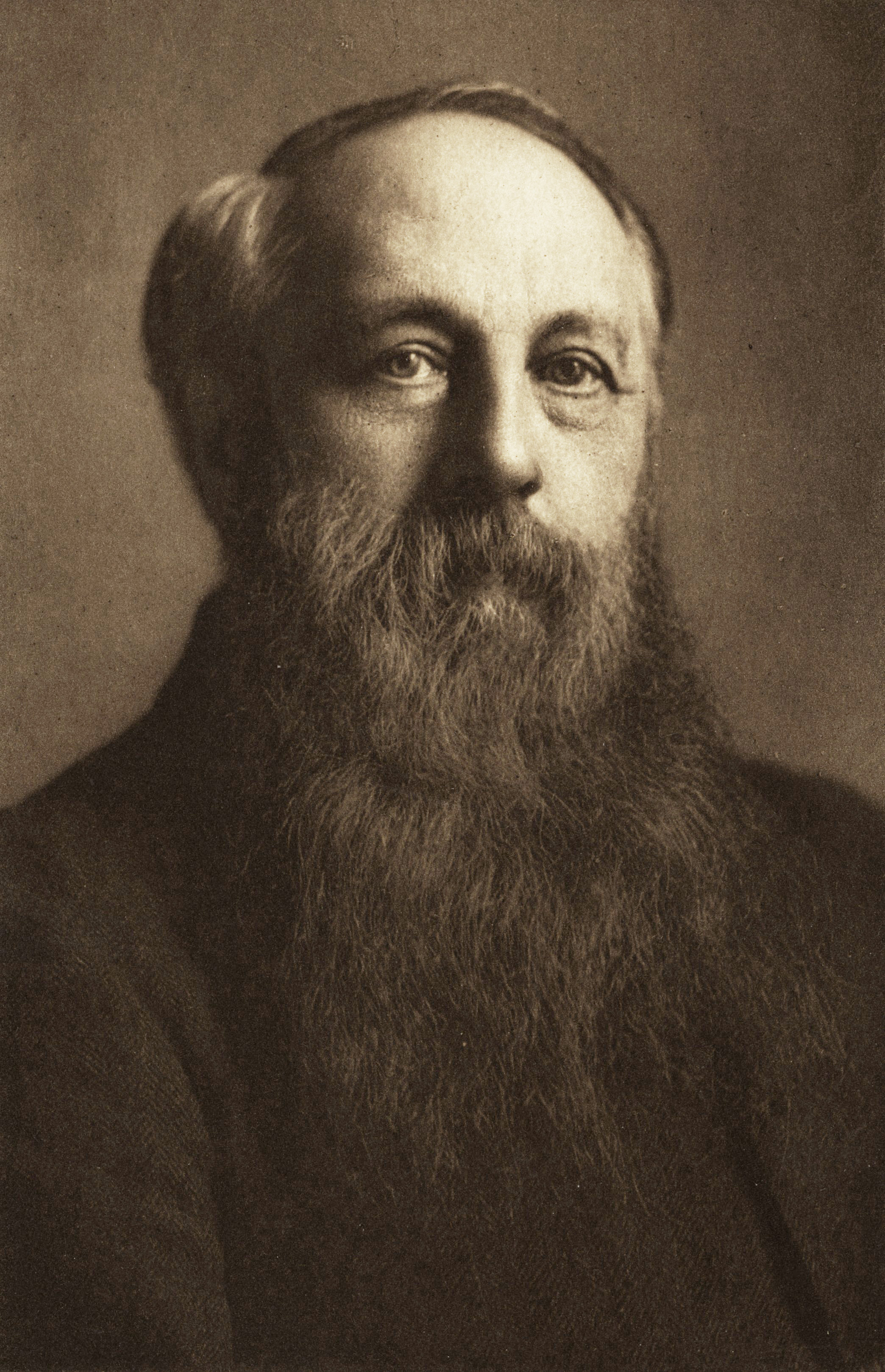
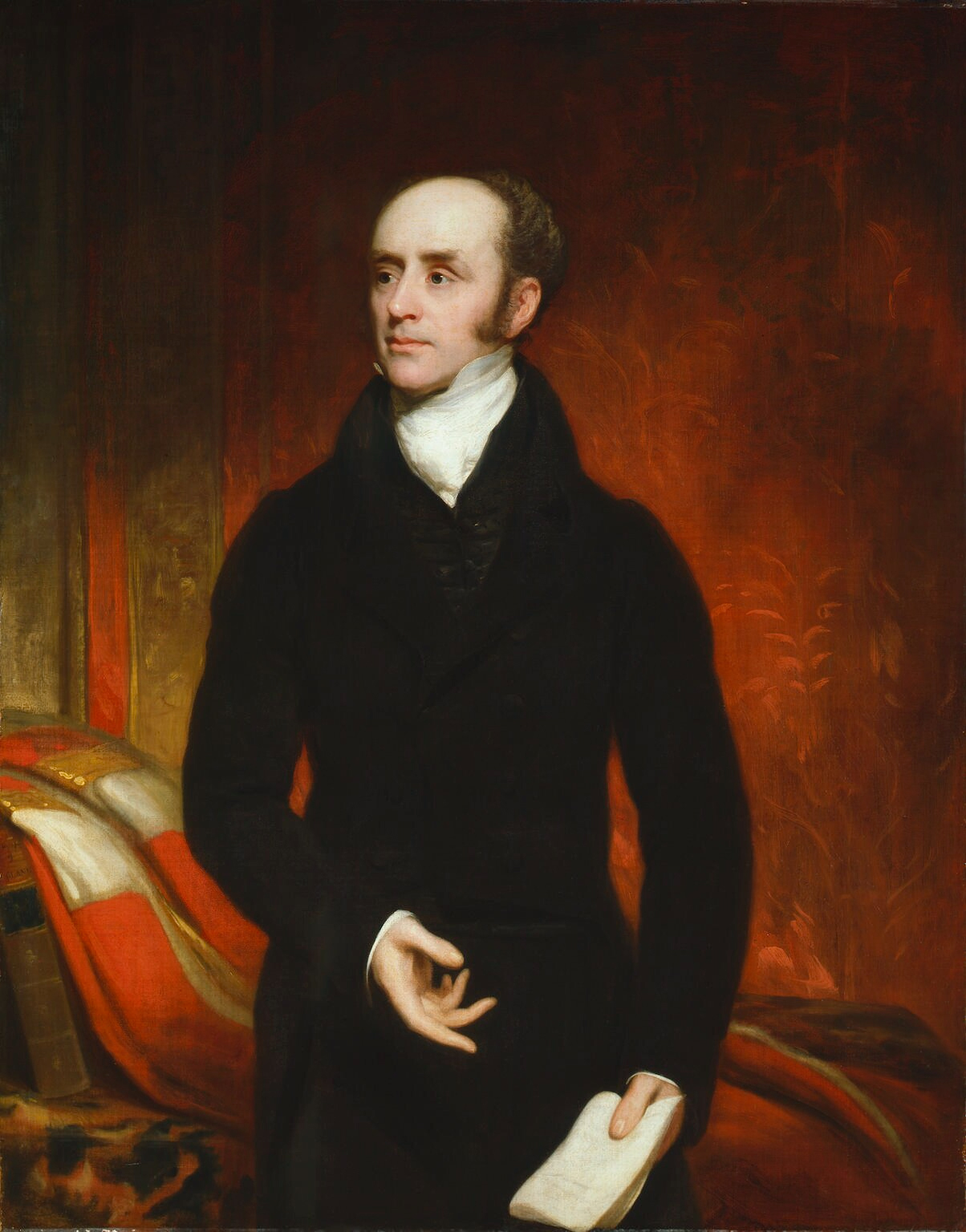
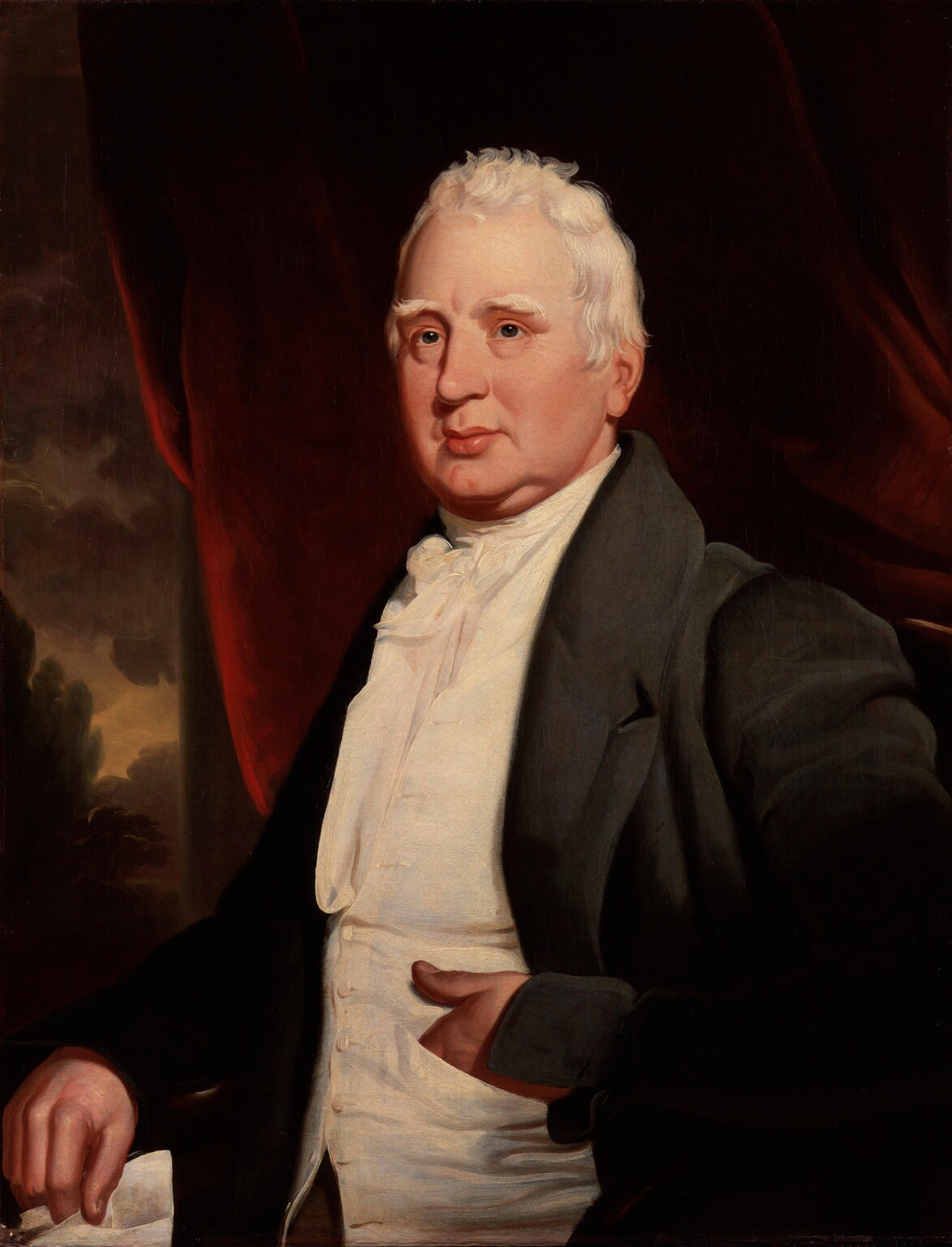
(right) Blair Mackeswell (1810-1901) was a Liberal who became a United Party (AP) Chancellor following the splinter of the Liberal party after the Orange Revolution
In the height of the Orange Revolution, Sutherland began to experience a rise of trade unionist activity, and the SSAP (modern PSA/Labour party) began to become a major third force besides the Liberals and Nationals. This reached a height in 1878 when the Liberal leadership opposed a National motion to proscribe social-democratic activity in the Anti-Unionist Law, causing the splinter of a significant faction of the Liberal party's right flank into the United Party, led by Blair Mackeswell; Mackeswell, a well-renowned orator and noted aristocrat, rapidly ascended to lead a coalition of Uniteds and Nationals in 1880, following a narrow election where the Nationals and Liberals both lacked a majority.
During this time, Chancellor Blair Mackeswell passed a series of laws heavily limiting the social-democratic parties from organising, especially when they began to oppose the government on the issue of Tirrish Self Law in the 1880s. In an effort to co-opt social-democratic grievances under a right-liberal or nationalist agenda while simultaneously preventing the unrest as seen in the 1870s from spilling over into a rebellion, Mackeswell passed a series of state welfare laws. These included the formation of the State Security system; while Mackeswell introduced pensions only for veterans (as a deliberate olive branch to Tirrish Civil War veterans), his public health initiatives were more universal. Accident, serious illness, and disability insurance all became commonplace.
The meaning of State Security (Atlish: statssyckrehood) was double-edged; it both referred to the conventional modern sense, and the sense of preserving the security of the natural order, marking a conservative streak in Mackeswell's ideology that was more widely represented across his tenure.
Following a series of protests and the rise of the SSAP to one of the three major parties in 1888, Mackeswell increased State Security's scope to include public servants (including doctors, nurses, and civil servants), as well as making health insurance compulsory for all. The health service was established on a local basis, while employers would contribute one-fifth of the funding, with employees funding the remainder; the employers' share was increased to 25% in 1892. This funding was made towards "sickness funds" which employees could draw from when they required medical assistance or care. A series of minimum payments for medical treatment and sick pay for up to 6 weeks were introduced. The individual local health bureaus were administered by a committee elected by the members of each bureau; this unintentionally established majority worker representation because of their outsized funding contributions, helping the SSAP gain a significant beachhead into public administration and law.
Another unintentional consequence of this State Security system is that it led to a surge in demand for secular healthcare; the religious orders and charitable almshouses of the 18th century, which had been tolerated into the 19th century, were now eclipsed in scale and informally sidelined, leading to their dissolution in the 1904 Secularism Law. However, it only applied to working members of the household, so children and spouses were excluded.
In 1900, the Liberal government of Isenbald White was elected, while Mackeswell's United Party had gradually been eclipsed by the Nationals following his departure from politics in 1891 and death in 1901. This Liberal party increasingly adhered to modern liberalism, as a result of ideological change, which was intensified by the departure of the party's "old right" in the late-19th century. White repealed the old Poor Men's Law and replaced the destitutes' almshouse provision with access to social healthcare, as well as a right to basic healthcare for anyone in work even if they could not pay (although this would take years to enact, and they would be sidelined at the onset of the Great Collapse). The state now provided 25% of healthcare funding for insurance, with 50% coming from employees and 25% employers. By this time, industrial unions also provided pooled-together funding to draw from for healthcare needs, and the repeal of the 1881 law determining that all damages, indirect and direct, caused by trade unions were their responsibility (effectively banning trade union action and making them toothless) expanded their scope to provide this. State pensions were finally introduced in 1902, after Mackeswell had refused to introduce them, followed by disability benefits.
The Great Crash hit Sutherland in 1912. This led to widespread unemployment, which in turn massively reduced the number of workers paying into State Security. Within months of the onset of mass unemployment and instability, in addition to the wars in Tir (1911-1919) and Ibissia (1880s-1990s intermittently; in particular, 1907-1913), Sutherland faced the arrival of the Ethian flu; out of a population of roughly 60 million, the death toll was somewhere between 150,000-200,000 (~0.3%). Sutherland's public health authority, and the association of medical workers in Sutherland (SLF; Sutheran Medical Agency) was leant on heavily for advice in the panic; this led to quarantines, mandatory mask-wearing, and widespread prioritisation of Ethian flu patients. While this prioritisation of technocratic public health officials was unprecedented, and Sutherland's handling of the Ethian flu pandemic relatively successful compared to peer nations (which cemented public health attitudes in the long-run - as did the backlash to the SLF's influence at the time), the damage done to the Sutheran economy and society was severe, exacerbating the Crash. Mass unemployment thus caused the contribution-based system to fail precisely when people most needed it. Over the course of the 1910s, Sutheran democracy went into gridlock, with the SSAP's new left-wing leader Howard Lloyd Dewar calling for a public-provided healthcare system, while the President Teddy Hargrave (SSAP, but Independent post-1913 re-election) balanced dwindling coalitions of centrists, believing the outspoken Loudainist (communist) to be untrustworthy. This instability caused the Richeists to play on the issue of national public health, calling for a central authority and blaming doctors, the unemployed, and "deviants" for the failings of the response to the Ethian flu.
After the Red Rising and subsequent rise of Godfred Roscow to power, the Richeist party weaponised healthcare against minorities and those they deemed as unable or unwilling to provide their "duty" to the nation. Between 1920 and 1925, over 200,000 disabled people were killed by the Richeists, and twice this number forcibly sterilised (including those with mental illnesses, which the Richeists deemed as including LGBT+ people), while doctors were forced to perform gruesome experiments on people, usually condemned criminals or prisoners in concentration camps. The destitute lost their access to healthcare. Religious charities were at first bolstered as long as they adhered to Amendism, with Courantist charities and almshouses shut down en masse. By 1924, following the breakdown of initially amicable relations between Roscow and the Amendist Church, Amendist charities were too proscribed, and the Richeists had formed a partisan charity wing that only provided care to recently-unemployed able Sutheran citizens not from Atinea or Tir. Cumbric doctors were restricted to practise in Tir and a select few Cumbric areas on the mainland, while many faced persecution during the
Ofnmawr, which is widely recognised as a genocide. During this time, in their government-in-exile position in Rousay, the Labour government of the Free Provisional Government planned the National Planning Strategy; this would provide for, among many other features of a broad welfare state, a public-provided healthcare model.
Post-Richeist Sutherland (1920s-1970s)
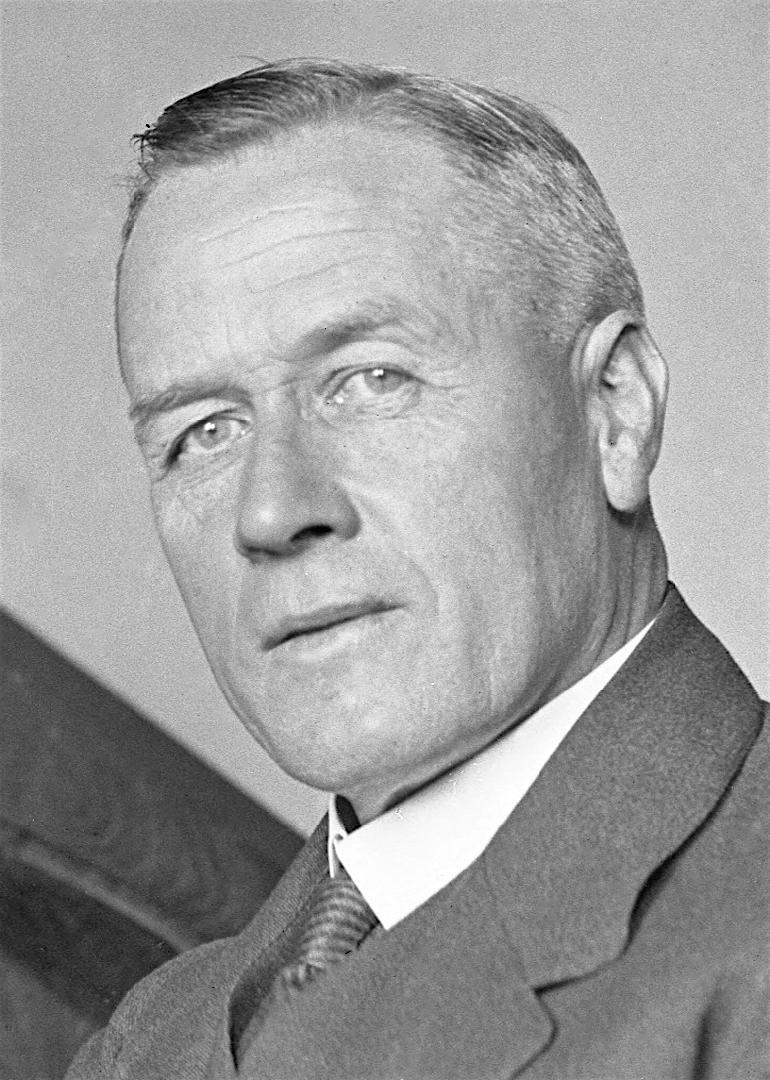
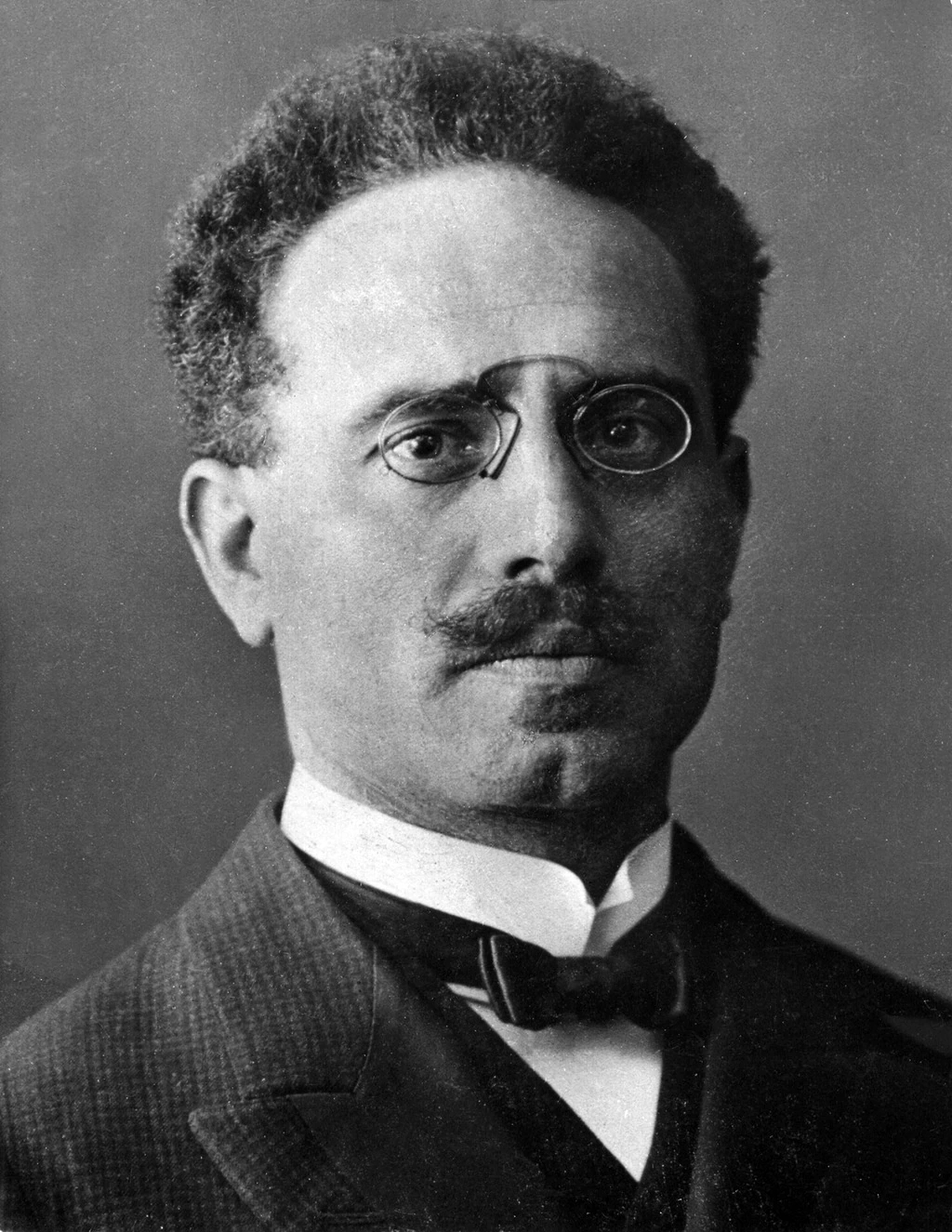
(right) The founder of the LHA (National Health Organisation), Evan Dafydd Lloyd, the Labour Reeve for Health from 1922 (nationally 1925) to 1931, and 1934 to 1939; Lloyd's principle of a "healthcare service, funded by general taxation, open to all, providing free medical care to each and every citizen from cradle to grave on all ailments" became the cornerstone of Labour healthcare policy
After the fall of Richeism, the Labour party dominated Sutheran politics for the 20th century, forming two in three governments. The Reeve for Health and Care during these first Labour governments was Evan Dafydd Lloyd, a Dalston-Cumbrishman who believed that the only way to prevent health inequality and inequity, as well as to tackle public health issues at the time, and to co-ordinate national health policy, was through a nationalised, publicly-funded healthcare service. Labour, as part of a wider purge, dismissed large swathes of the civil service and public sector for their connections to the Richeist party, choosing to sacrifice initial workability for removing connections to the defunct party.
The excesses and wrongs of the tyrannical, extreme-right Richeist government, and its weaponisation of healthcare and dependency, led Lloyd to believe that a more productive, fair form of nationalism could be forged out of a communitarian approach to mutual aid and betterment. He commissioned a report while in the government in exile, with the Venstre politician Walder Routlecg determining that a national healthcare service would be a key step to achieve a "high-trust, high-pride" society. Thus, the LHA was founded in 1926 under the Routledge Model, with the first hospitals being founded during the 1920s and 1930s explicitly for the LHA rather than through private insurance systems.
Successive Labour and Liberal governments alike have gradually modernised and updated the LHA into the modern era, and despite some friction between Labour and the Liberals over market involvement and funding allocations, it remains a world-class organisation a century on. Hospitals were broadly nationalised in 1929, after some initial nationalisations in earlier years. In 1930, dental and optical care was folded into the LHA, while elder care gradually became under the guise of local authority control with LHA oversight in the 1940s-1960s, culminating in a major reorganisation in 1971. It was initially projected that the LHA would pay for itself and that costs would reduce over time; this proved untrue, and spiralling costs in the early decades led to the introduction of prescription charges, which are currently set on a province-by-province basis as of 2026.
GP appointments also received fees from the 1950s, however Franklin Argall repealed these charges in 1970. The LHA has proven critical in a number of ways, such as vaccination programmes against polio and rabies (which Sutherland is now free of), while investigations held each decade have consistently found that inflation, population aging, and demographic changes are the root of increased costs - and are inevitable in a developed society with advanced medicine - rather than administrative waste, which was found to have been minimised under the Routledge Model. Early research in the 1940s found that cigarette smoking was a major contributor to lung health and cancer, which led to Sutherland's early "War on Tobacco" in the 1950s and onwards, and subsequent world-low rates of smoking. Widespread strikes in the 1950s and 1960s during the height of the Flaming Fifties and then An Náire led to major working reform, including better pay for nurses (who were historically discriminated against due to being primarily women), better working conditions, and the introduction of early computers; the 1971 reorganisation saw local authorities, general practice, and hospitals form a tripartite relationship comparable to the economic tripartite model between businesses, unions, and the government. The first clinical use of CT scanners occurred in 1971, and the world’s first test-tube baby was born in the late 1970s.
Post-Grey Report (1980-present)
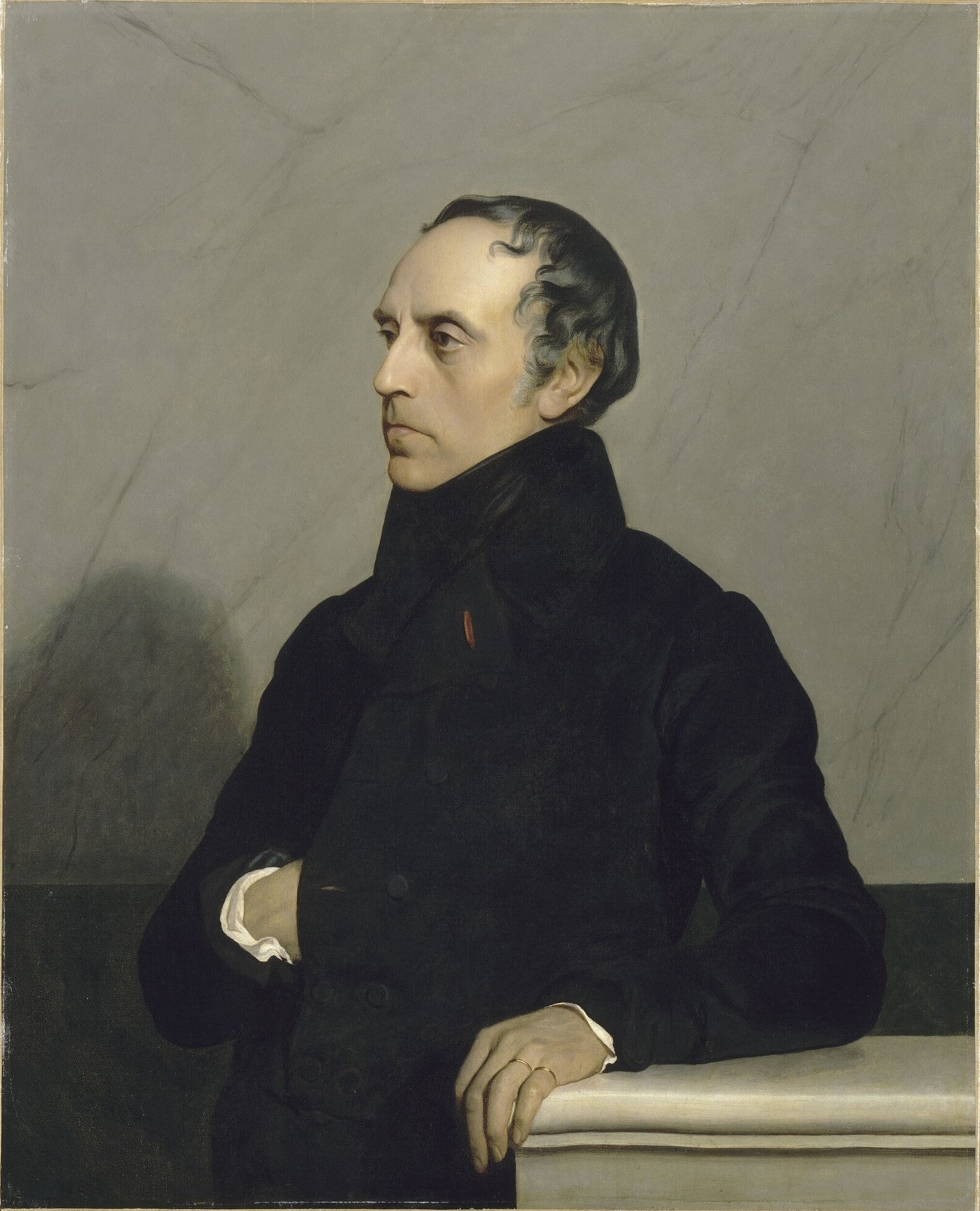
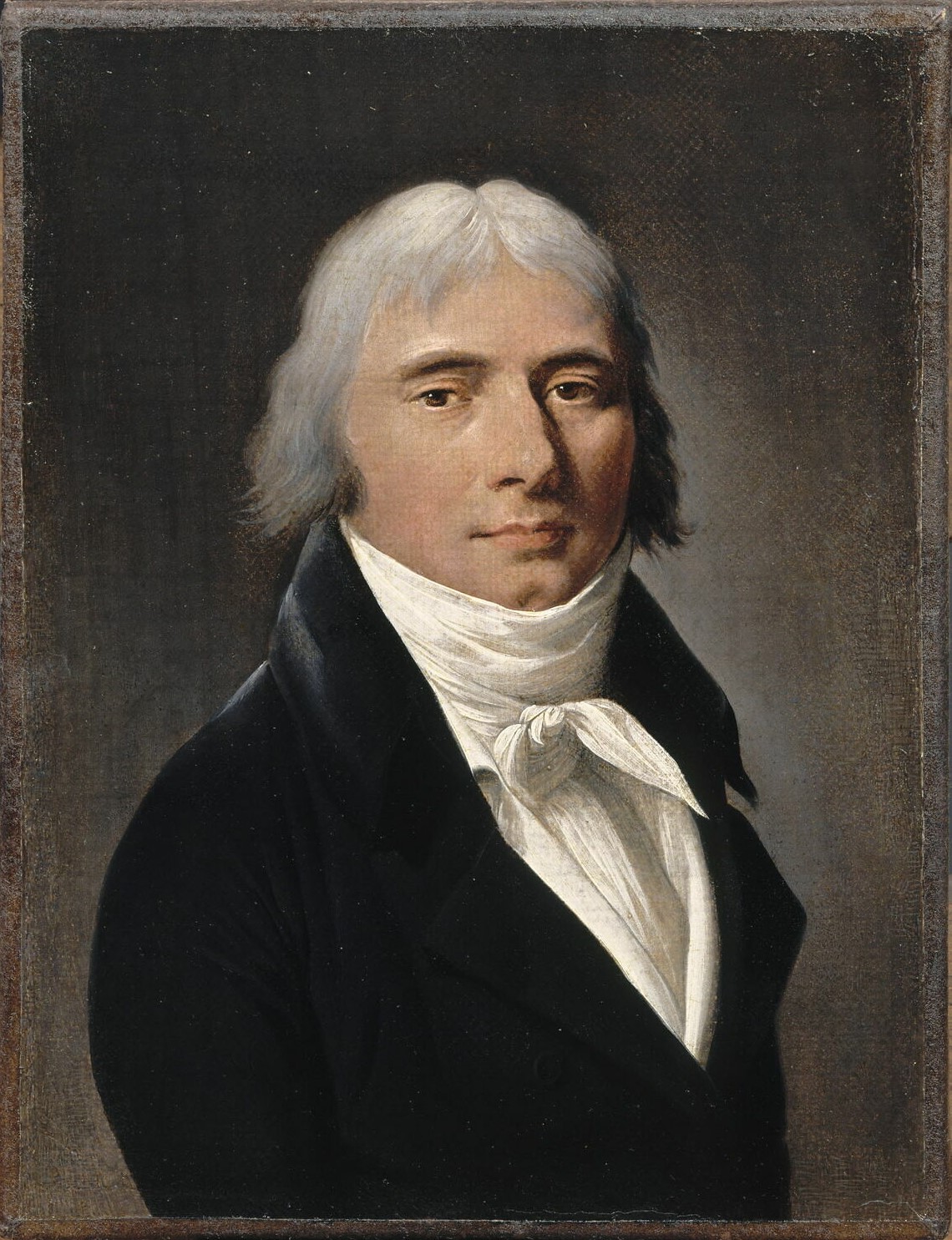
(right) Duncan Grey, the leader of the expert committee who was commissioned to complete the Grey Report; the Grey Report shifted the foundations of public health in Sutherland towards making health a society-wide prerogative for reform and change, and moving the focus away from solely point-of-access provision
The Grey Report in 1980, by Duncan Grey's expert committee appointed by the Almoot, found that health outcomes, longevity, and survival rates had improved drastically since the introduction of the welfare state, but that there were widespread health inequality. The Grey Report also discovered that the main cause of these inequalities was economic inequality. The report showed that the death rate for men in the lowest socioeconomic quintile was double that for the uppermost socioeconomic quintile, and that this gap between the two was increasing, not reducing. This led to a widespread shift in thinking and watershed moment changing the government's focus "from preventing illness to creating health", with the government in 1981 declaring that:
Universal healthcare is insufficient unless the state reduces the social causes of unequal health. It is the basis of cure, but not prevention. The means of prevention is to intervene before, not after, admission. We have found that:
- Poorer Sutherlanders die younger;
- Manual workers have substantially worse health outcomes than their white-collar counterparts;
- Rural communities have much poorer, uneven access to specialists;
- Children from poorer households have worse childhood health, which knocks on into adulthood;
- Housing quality strongly predicts respiratory disease, as does housing insecurity;
- Unemployment is associated with substantially worse physical and mental health;
- Educational attainment predicts health outcomes with increasing strength;
- Social mobility in each province determines life expectancy with a strong correlation;
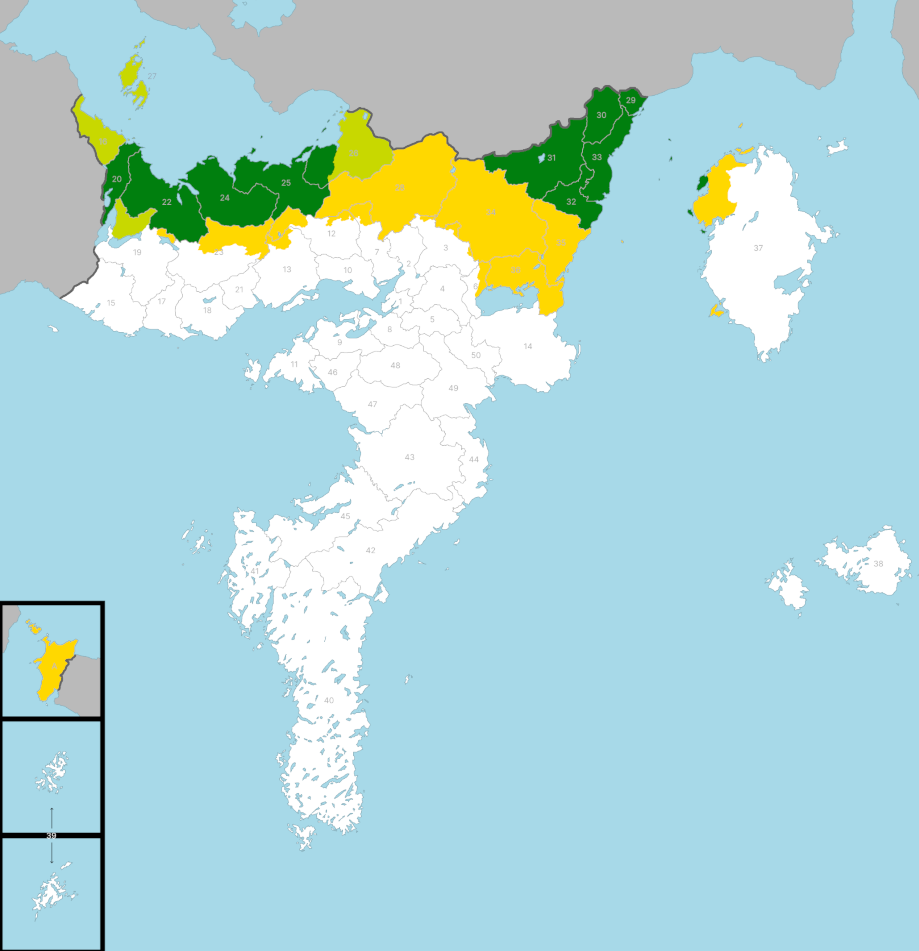
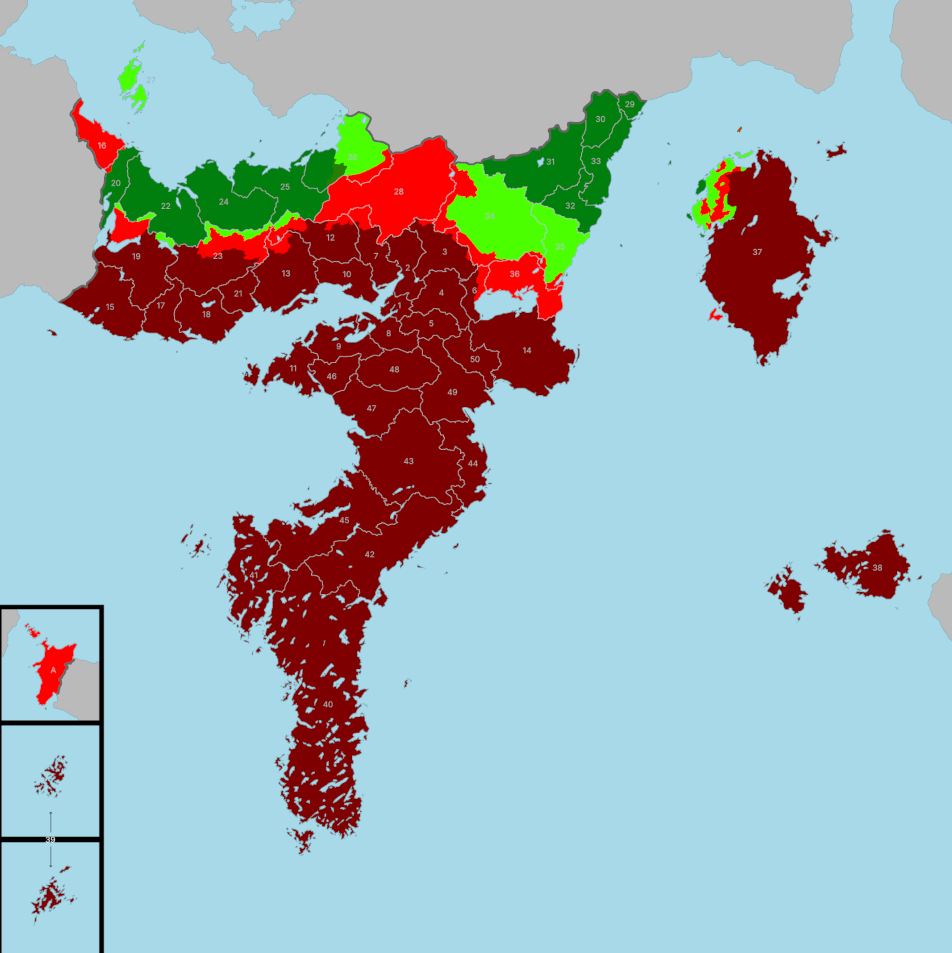
- The southern urban industrial belt has substantially worse health than affluent regions in the Sound;
- Occupational injuries, while reducing due to safety legislation and changing practices, remain concentrated among lower-income workers;
- Pharmaceutical companies are incentivised to extract profit from the state because of the risk of innovation and loss.
One of the committee members, Eden Ivosson, summarised her findings by saying "healthcare is only one determinant of health;" she later served as a Reeve for Health and Care in 1999-2004. The Liberal leader in the 1980s, Malcolm Lamont, lamented that "health policy, quite suddenly, included housing, education, nutrition and food, employment, infrastructure, childcare, planning... and all of that is now taken as gospel", but decided against totally repealing the reforms, instead focussing on streamlining administrative waste (with allegations he went beyond the scope of the once-per-decade report) and reversing measures to form the state pharmaceutical provider (which occurred a decade later as a result).
The Routledge-Grey Model now refers to the system where healthcare is paid for entirely (or almost entirely) with taxation and delivered by the government, and is free at the point of service. Healthcare facilities are government-owned and healthcare providers are employed by the government. Providing healthcare is seen as a responsibility of the government, in the same way that tax-funded roads and schools are. The Grey Report is generally regarded as the second founding document of the LHA, after Lloyd's original national-healthcare programme; this is rooted around the principle that equal provision becomes less important than equal health opportunity. Major public housing decisions became subject to health-impact assessment, while LHA epidemiologists and local health authorities gained formal powers to identify housing conditions likely to cause significant health harm, and the SLF (Sutheran Medical Agency; Sutherland's medical workers) became a key component of day-to-day administration. Reforms that stemmed from this included the introduction of paternity care, increased sick pay, the Fair Housing Law (which outlawed renting in properties with damp, mould, poor heating/sanitation, insulation, and lack of disability provision). The Schools Taskforce (LHA-ST), which dovetails between education and health in such sectors as school nursing and vaccination, dental/health screening, nutrition, mental health, sexual health education, developmental screening, and disability identification, was founded in 1983; it was repealed in 1988 by Malcolm Lamont, then reinstated by the Labour government who followed in the 1990s. The Routledge-Grey Model was extended into its modern form in the 1990s, when Sutherland formed its own nationalised pharmaceutical state company called
Statssalvanere which created a ringfenced supply chain; Sutherland commonly exports pharmaceuticals from this state company, as well as from private pharmaceutical companies, in the modern era.
Key characteristics of this Routledge-Grey model now include:
- Healthcare is provided and financed by the state through general taxation
- There are generally no medical bills/fees at the point-of-access
- Medical treatment is a public service
- Providers are generally government employees
- The government controls costs as the sole payer
- There is significant state intervention, planning, and control over pharmaceutical production
- Health funding follows social determinants, not symptoms
- Healthcare begins from cradle to grave, and funding allocation extends beyond care itself
- Major public infrastructure revitalisation can be directly triggered by health harm issues
This reinforced the wider national ethos - in 2005, Labour Chancellor Mitt Hawkins quoted this choice of emphasis:
The three foundations of childhood welfare are thus: home, school and health.
Modern day
In 1997, the Overlaw's Cavel 2(2) was amended to its present form to adhere to the Routledge-Grey Model, reviving the ancient Brigantian right to health:
It is the duty of the State to take appropriate legislative, regulative, administrative, and social measures to prevent foreseeable risks to life, in keeping with the freedoms of modern social-democratic society, in a proportionate manner.
The country's health sector, as a result of this national planning model and "economies of scale" developed during the early 20th century, flourished early and fast. Sutherland rapidly became a key pharmaceutical producer and exporter, and the expansion of its universities in the mid-to-late 20th century provided a core asset to health science in Sutherland: lorestead-led research and development. Labour Chancellor Franklin Argall spoke of Sutherland's "reforging in the white heat of technology," which in turn has led to a uniquely strong lobbying sector from the universities and health sector to the government. Sutherlander newspapers began to report on the "state within the state" of the healthcare and education sectors, with the
Burherman claiming in 1981 that "for every elected representative in Sutherland to this day, there sits a doctor whispering into his left ear, and a professor into his right." T
The Liberals also continued Nyarverth (New Labour) reforms from the 2010s and extended them regarding the rapidly ballooning cost of social care; the rate of Statssyckrehood levy was increased one penny in the shilling for all workers, while public pensions now go 20% to the funding of "independent care" or 40% of residential care homes that pensioners are drawing from where applicable. There was also a means-tested ceiling of 1,000,000 shillings introduced in 2011 as regards wealth; above this level, anything up to 30% of your assets can be drawn from to pay for social care, which has drifted to include a notable minority of pensioners as inflation reduces the absolute value of this cap, leading to controversy during the 2019 election when Labour proposed to reduce the ceiling by half and free up funding (being nicknamed the "dementia tax").
Ambulance services remain excellent in the modern day, while the 2024 Edwardson Report found that mental health was still "underdiagnosed, overmedicalised, underfunded, and stigmatised", criticising the governments since the 2012 Edwardson Report (by the same committee) for failing to adhere to its recommendations of increased talking therapy funding and mental health recognition. A standard fare for eyeglasses was also introduced in 1988, which remains to this day, increasing with inflation each year to the value of ʃ142.02 (~$100/£74) for single-vision glasses and ʃ231.49 (~$164/£122) for varifocals/bifocals as of the year 2025/6. There is also some controversy over the state producer selling the newest cancer drugs to private providers before granting them to public providers internally, which in the Edwardson Report was quoted as "a rational, but profit-seeking, decision" by the National Health Value Committee (who commission the once-per-decade reports since the 1930s into administrative waste). Waiting times have gradually risen in the 2020s, but remain below 2000s levels, and fell in 2026 after six consecutive years of rising.
In 2015, the LHA's widespread administration and computing was hacked by the Szlavian government, leading to a widespread failure and shortages for weeks as well as data leaks; this resulted in an investigation which found Sutheran cybersecurity was lacking, and is credited (along with the Liberal Ramsay government) with forcing Sutherland into funding cybersecurity, and modernisation, heavily.
Average resident doctor wages rose by 5% every year in the 2010s, but averaged only 2% raises in the early 2020s, with a 6.8% raise negotiated in March 2026; Sutherland increasingly specialises in medicine in its universities too, enticing students to come for the zero-tuition fees at postgraduate (in exchange for seeking jobs in the Sutheran medical sector) and high wages. Sutherland exports copious amounts of pharmaceuticals, however private companies have sometimes complained about a lack of utility in taking risk when the state can take on risk at much greater scales; it has also been alleged that the government defends the interests of its private pharmaceutical companies and its own state company by refusing to grant technology transfers.
In the early 2020s, the LHA received some funding cuts - leading to major rounds of industrial action in 2022 and 2024 - however these have been somewhat reversed. Sutherland today is a major innovator due to its immense economies of scale and ability to offset risk centrally, such as through cancer vaccines, and its widespread provision of treatments for neglected tropical diseases (NTDs). Cosmetic surgery is also not included, which has caused controversy over the partial subsidisation of gender-affirming care, which was reduced in 2024 by the Liberal-VDA government to means-testing only.
Rural healthcare continues to be a major issue, leading to reliance on telemedicine, long travel distances, and mobile clinics, as does provincial inequality, as provinces vary in competence, wasteful funding, and overall willingness to fund. Private healthcare does exist, but is highly niche, and does not entitle the payer to opt out of tax-paid medicine, while some reports have found that private provision has only a slightly higher median treatment quality with a much lower baseline. Vaccination rates are relatively high, but declining due to online misinformation on vaccines.
Today, the life sciences sector, inclusive of medical scientists, to this day has approximately 600,000 jobs, and contributes around ʃ400 billion (255-260 billion IBU) per year to the Sutherlander economy. The SLF (Sutherlander Medical Agency) maintains its outsized influence as a lobbying group of medical professionals, scientific researchers in the life sciences, pharmaceutical, and health sectors, and LHA staff well within the frameworks and structures of government. As a result, health professionals and delegates from medical pressure groups have long appreciated and praised Sutherland's "forward-thinking" approach to health science and care, as well as its "accommodating, ruthlessly effective, and wide-spanning care it provides to its citizenry."
Statistics as of end of 2024/25:
Total population covered by the LHA "to adequate levels": 99.9%
Private healthcare coverage rate: 5.5% (up from 4% in 1999/2000)
Healthcare spending as a % of GDP: 11.7%
Healthcare spending per capita: ʃ11,159.83 (~7,900-8,000 IBU)
Public healthcare spending as a % of total healthcare spending: 91.9% (down from 93.3% in 1999/2000)
Physicians per 1,000 population: 5.0
Nurses and midwives per 1,000 population: 16.6
Hospital beds per 1,000 population: 5.5
Average life expectancy at birth: 84.4
Healthy life expectancy at birth: 71.1
Infant mortality rate: 1.9/1000
Maternal mortality ratio: 8/100,000