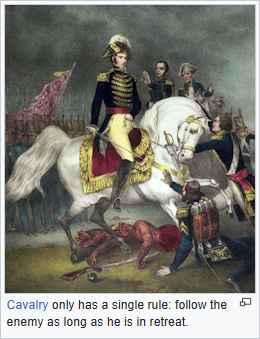
Bernadotte von Kreichaff
From Sepadivjdje, the instant encyclopedia
Bernadotte Långspjut Ellujazker Waladamēr von Kreichaff (20 October 1898 – 22 June 1951) was a
Getidaxan politician, industrial engineer, industrial statistician, writer, and
dictator of
Getidaxa from 1930 to 1949, leading the nation into the
Collandrian Fascist Wars as a member of the
Dominion. Von Kreichaff first rose to power as Secretariat of the
Synarcho-Nationalist Party prior to his appointment as Prime Minister, and per historians, is ideologically considered to sit between
radical fascism and
authoritarian national syndicalism.
He was born in
Pataliputra, Syrixia, as his father, Dr.
Reinhart von Kreichaff, was working in the country as a physicist studying radioactive elements, namely the element
Thorium, which had, at the time, been mined in the
Collandean Orogeny for usage in ceramics and the manufacture of carbon arc lights. The von Kreichaff family would later return to Getidaxa while Bernadotte was five years old, largely due to the degradation of his father's relationship with his professors and academic life as a whole. While Bernadotte was young, his father had given up on working entirely after his failure to move from traditional physics into
theoretical physics, believing that non-theoretically physics wasn't prestigious enough of a career. From 1903 to about 1907, the entire family was on-paper
stateless due to Reinhart's failure to renew his Getidaxan citizenship after the expiration of their Syrixian visa.
In 1915, Bernadotte enlisted in the
Royal Army of Getidaxa during the
Collandrian War, becoming a
quartermaster officer. During the war, he was said to have been 'highly skilled' at accountancy and assisted in coordinating military rail transport. He was forced out of active service following a gas attack which permanently damaged his lungs, having earned the
Medal of Ragnarøkkr and
Medal of Valour for his service. From 1917 to 1920, he attended the
University of Ānandasattva in
Kaliva from 1917 to 1920 and graduated with an engineering degree, where he became an industrial engineer and one of the first
supply chain analysts and
management consultants, founding the firm
Kreichaff-Langweil alongside architect and urban planner,
Alexandros Langweil-Reichsgraf.
He grew disillusioned with the politics of the ruling
Konservatie Party of Getidaxa, especially after the aftermath of the Collandrian War. Per both personal writings and public statement, he believed then-Prime Minister
Klaudios Brailoveski to be nothing more than a 'lukewarm liberal' in his eyes. He would join the then-fringe and ideologically isolated
People's Synarcho-Nationalist Party in 1922, having been previously aligned to the
Getidaxan Communist Party, like his father. As a member, he found success as a columnist for the party's
newspaper, writing nationalistic essays and condemnations of the country's ruling class. By 1924, he found himself named
Secretariat of the Party, where he used his logistical knowledge to begin the construction of a brutal and efficient political machine and party apparatus, which enabled the Synarcho-Nationalists to win a handful of seats in
Parliament in the
1925 election.
When a severe
economic downturn struck the nation in 1928, his political apparatus struck quick, inundating the populace with anti-
Engivatten and pro-Synarcho-Nationalist propaganda, enabling them to emerge as the largest party in parliament in the
succeeding election. Bernadotte von Kreichaff was appointed Prime Minister, serving extra-parliamentarily before consolidating power as dictator through purges, political repression, and censorship of the opposition. Serving to enforce his rule was the
Getidaxan Synarchist Brigade, a secret police colloquially referred to as "the Orange Berets," who were known to assault, assassinate, and disappear those deemed "social or political threats" to the regime. Through executions and other repressive tactics, it is believed that he is responsible for somewhere between 50 thousand to 200 thousand civilian deaths during the
Orange Terror.
As dictator, he manufactured a
cult of personality to solidify his rule, and oversaw Getidaxan
land redistribution,
agricultural collectivization, and
mass industrialization via the
Ray of Light Campaign. The Ray of Light Campaign was brutally enforced through the institution of labor camps and forced relocations; mass execution, abuse, and torture, were prevalent in these conditions. His push for Getidaxan militarization and nationalist foreign policy would culminate into Getidaxa's entry into the Collandrian Fascist Wars. Aligning with
Maloria and
Dorivera, he declared war on Syrixia, Kaliva, and
Senasahasran. As the tide of war turned against the Dominion and the war's outcome became evident, von Kreichaff attempted to flee abroad as
Kaiser Emil II abdicated; it is believed by historians his intended destination was to Maloria. However, he was
detained by Doriveran forces, who used his extradition as leverage in negotiations with the Allied powers, culminating in his deportation back to Getidaxa. After deportation, he was put on trial by the
Allies during the
Collandrian Tribunals, where he was convicted on all counts for crimes against humanity, crimes against peace, and war crimes. He requested a traditional execution of being
burned alive; this request was summarily died and he was instead
executed via hanging on June 22, 1951.
In contemporary scholarship, he is regarded as a totalitarian, war-mongering dictator responsible for countless deaths and who oversaw various crimes against humanity during his regime. Under both the
Transitional Allied Administration of Getidaxa, and the later
premiership of
Paul Vuoddavuohti, a significant
de-Kreichaffication campaign was undertaken to destroy the remnants of his cult of personality and regime.