National Symbols of Lyvenntia
A collection of Lyvenntia's national symbols.
Flags
National Flag (1859-Present)
The current Lyvenntian national flag was adopted in 1859, initally designed and adopted to show Lyvenntia's progress into becoming a modern nation. The design follows similar to other Nordic cross patterned flags, however, it's horizontal bar shortened at the vertical bar rather than extending along the entire length of the flag. On the other side of the vertical bar, the flag features a series of horizontal stripes alternating between a dark navy blue and white.
White: Peace, purity, unity.
Navy blue: The ocean, sky, night, maritime culture
In 1859, the Lyvenntian government voted to replace the 1784 flag with the current design. When designing the flag it was to be noted that Sutherland's Nordic cross was a major influence to Lyvenntian designers as the new flag was being created. Thus, Lyvenntia would go onto adopt its own modified variant of the standard Nordic cross design. The new flag going into further representing Lyvenntia's maritime culture; the blue and white stripes being adopted from an old Lyvenntian naval ensign.
National Flag (1784-1859)
The Lyvenntian horizontal tri-color was the first national flag of Lyvenntia. The flag was initially created as a banner with the purpose to support uniting the Lyvenntic clans and regions together, later being adopted by the Wardenate of Lyvenntia upon its inception in 1784. Upon the formation of the United Republics of Lyvenntia-Sutherland in 1856, Lyvenntia would continue using the flag up until 1859 when Lyvenntia adopted its current flag.
White: Peace, purity, unity.
Navy blue: The sky, night, the night sea.
Pale blue: The ocean, water, clouds.
While the flag lost its status as Lyvenntia's national flag, it still remains a national symbol seen today. Often times today, the flag can be seem in ceremonial, traditional, and historical events around the country alongside the current national flag.
Animals
National Animal
The
Ryoaene red fox (Vulpes vulpes ryoaeniensis), also known as the
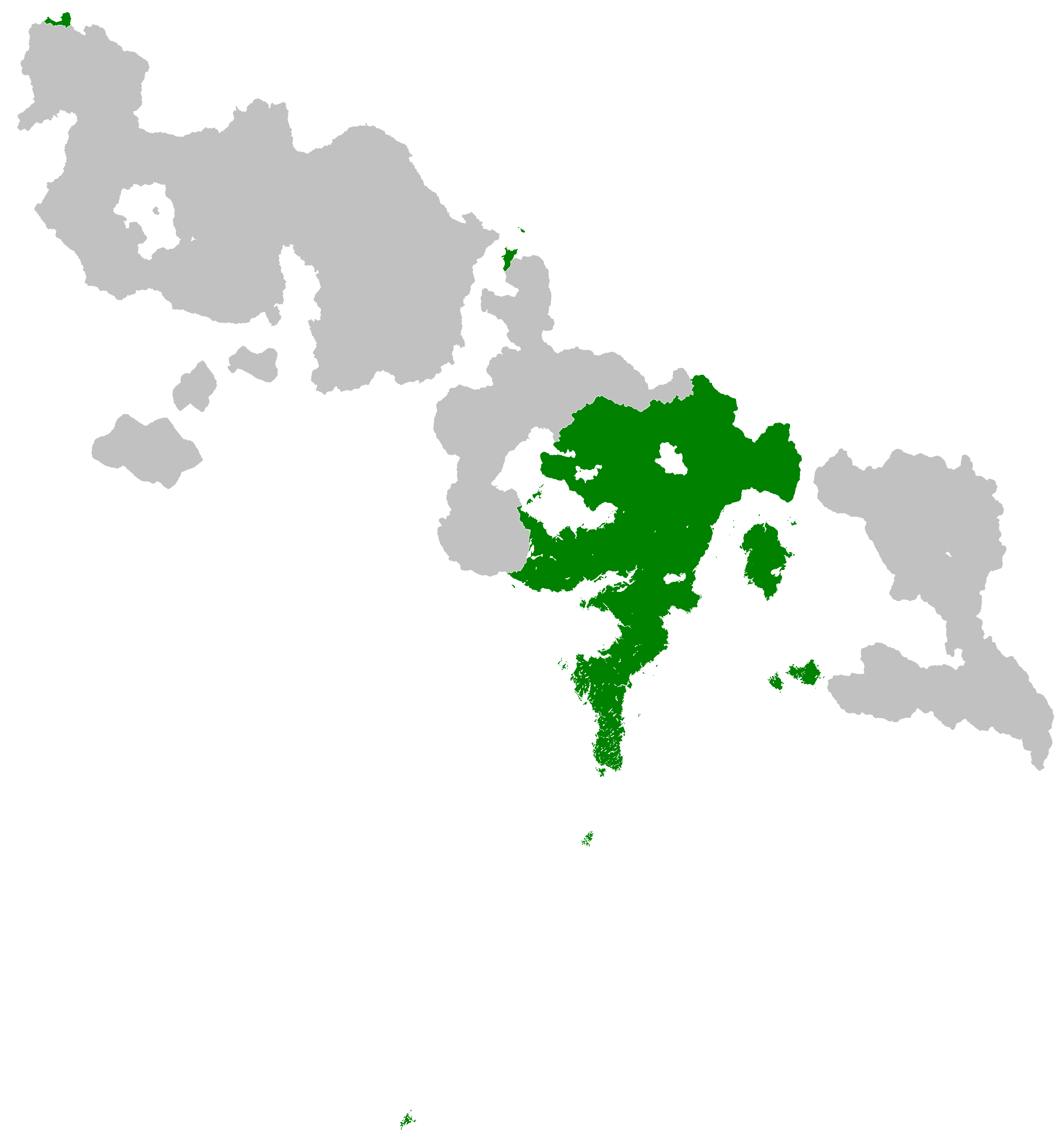
Lyvenntian red fox, is a subspecies of red fox endemic to Lyvenntia. The Ryoaene red fox is found north of the Marches, a region which composes of the mountain range which spans the length of the Lyvenntia-Sutherland border. Thanks to the Marches, the Ryoaene red fox possesses a unique genetic makeup compared to the
Lynsett fox (Vulpes vulpes lynsettensis), another subspecies of red fox which inhabits the regions south of the Marches in Sutherland.
Compared to the Lynsett fox, the Ryoaene red fox is distinguished by its smaller size, white-tipped tail, and frequently exhibit red, cross, and silver/black color phases. Modern phylogenetics suggest that the Ryoaene red fox and Lynsett fox share the same common ancestor, one which inhabitied the territories south of the Marches. Around an estimated ~15,000-20,000 years ago it's believed that glacial activity and climate fluxes resulted in a founder population establishing itself north of the Marches in Lyvenntia. Eventually, environmental changes would result in the population of what would later become Ryoaene red foxes becoming isolated from their southern relatives. Over the course of thousands of years of isolation, this resulted in genetic drift, new adaptations, and behavioral divergence. Today, the Ryoaene red fox can be found all over Lyvenntia with the subspecies' modern range spanning from high-elevation to coastlines.
National Bird
The
Syovuri penguin (Spheniscus syovurii), also known as the
Eutavian penguin or
South Eutavian penguin, is a species of penguin native to the Lyvenntian and Sutheran coasts. Like all other penguins, the Syovuri penguin is flightless, with a streamlined body and wings stiffened and flattened into flippers adapted to survival in marine habitats.
Lyvenntian naturalist and zoologist Kævuo Syovuri included the first scientific illustration and a description of the Syovuri penguin during research on Lyvennto-Sutheran ornithology along Sutherland and Lyvenntia's eastern coast. Syovuri's illustration and description of the Syovuri penguin was published in 1820 in his first volume of
A Natural History of Lyvennto-Sutheran Birds. During his studies, Syovuri would discover the at the time largest known Syovuri penguin nesting colony in what is now Meirion, Sutherland.
National Sea Mammal
The
sea otter (Enhydra lutris) is a marine mammal native to the coasts of the Sea of Lyvenntia, Ostrovic Channel. Adult sea otters typically weigh between 14 and 45 kg (30–100 lb), making them the heaviest members of the weasel family, but among the smallest marine mammals. Unlike most marine mammals, the sea otter's primary form of insulation is an exceptionally thick coat of fur, the densest in the animal kingdom. Although it can walk on land, the sea otter is capable of living exclusively in the ocean.
The sea otter inhabits nearshore environments, where it dives to the sea floor to forage. It preys mostly on marine invertebrates such as sea urchins, various mollusks and crustaceans, and some species of fish. Its foraging and eating habits are noteworthy in several respects. Its use of rocks to dislodge prey and to open shells makes it one of the few mammal species to use tools. In most of its range, it is a keystone species, controlling sea urchin populations which would otherwise inflict extensive damage to kelp forest ecosystems.
Sea otters have the thickest fur of any mammal, which makes them a common target for many hunters. In the early 18th century, Lyvenntians began large scale hunting sea otters in the Leinyes Islands. Conservation began in the early 20th century, when the sea otter was nearly extinct due to large-scale commercial hunting; in 1916 Lyvenntia banned the hunting against the fur trade. Today, the Lyvenntian government strictly protects sea otters under federal law, primarily through the Marine Mammal Conservation and Protection Act of 1976, which bans hunting, capturing, or harassing them. Modern sea otter populations have seen major success under legal protections, breeding programs, and rehabilitation.
National Dog
The
Luveniere, or
Lyveniere, is a spitz type breed of dog that originated in Lyvenntia through cross-breeding between different breeds of spitz. It is widely known as a wonderful companion that maintains its own personality, has a dignified reserve with strangers, has a strong bond to its family, and is relatively easy to train. Luvenieres originated in Lyvenntia in 1960, when the founder, Asalysi Luovena, set out together with a small group of enthusiasts to create a breed with the best qualities of different breeds of spitz.
Luvenieres are calm, even-tempered dogs. They are watchful and alert, yet reserved towards strangers without being timid or aggressive. Luvenieres form a strong link to their families. Luvenieres were bred as companion dogs; as such, they do poorly in a kennel environment such as those commonly used for institutionally trained service dogs, nor are they well suited for the social stresses of working as a sled or guard dog. Refinement through breeding has resulted in a dignified, intelligent breed.
Flora
National Tree
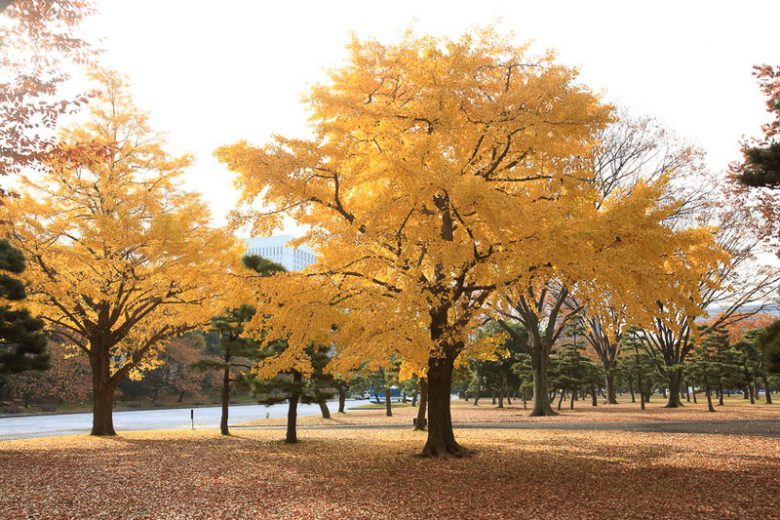
Ginkgo biloba, commonly known as ginkgo, also known as the maidenhair tree, and often misspelled "gingko" is a species of gymnosperm tree native to Lyvenntia. It is the last living species in the order Ginkgoales, which first appeared over 290 million years ago. Fossils similar to the living species, belonging to the genus Ginkgo, extend back to the Middle Jurassic epoch approximately 170 million years ago. The tree was cultivated early in human history, remains commonly planted, and is widely regarded as a living fossil.
Ginkgo trees are incredibly long-lived, often surviving for over 1,000 to 3,000 years, and are known as "living fossils" because the species has remained largely unchanged for over 200 million years. These trees can potentially live indefinitely if not killed by external factors, as they maintain youthful, high-functioning immunity even when centuries old.
National Flower
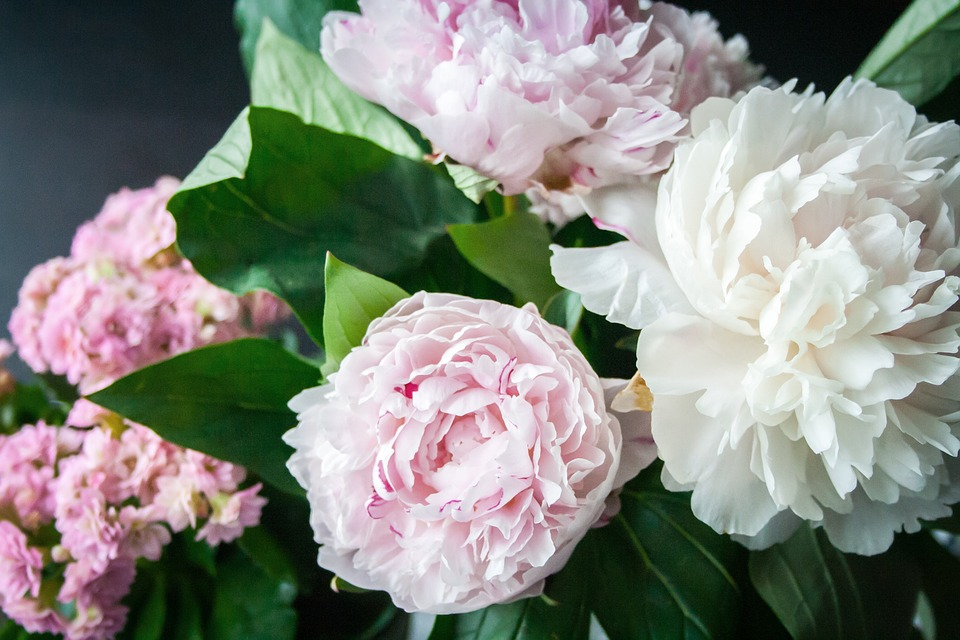
Paeonia lactiflora (Lyvenntian peony, Lyvenntian herbaceous peony, or common garden peony) is a species of herbaceous perennial flowering plant in the family Paeoniaceae, native to Lyvenntia. It is classified as a late-blooming species, featuring flowers in mid- to late spring and continuing attractive foliage throughout the summer and early fall. Stems die to the ground after frost.
Leaves may turn rusty orange in fall. Cup or bowl shaped flowers (3-5” across) with 8-10 white, pink or crimson petals typically feature a conspicuous center boss of yellow stamens. Some double-flowered cultivars are available. Flowers of most cultivars are fragrant. Fruits consist of horizontally spreading follicles that split open at maturity. Plants have thickened tuberous roots.
National Fruit
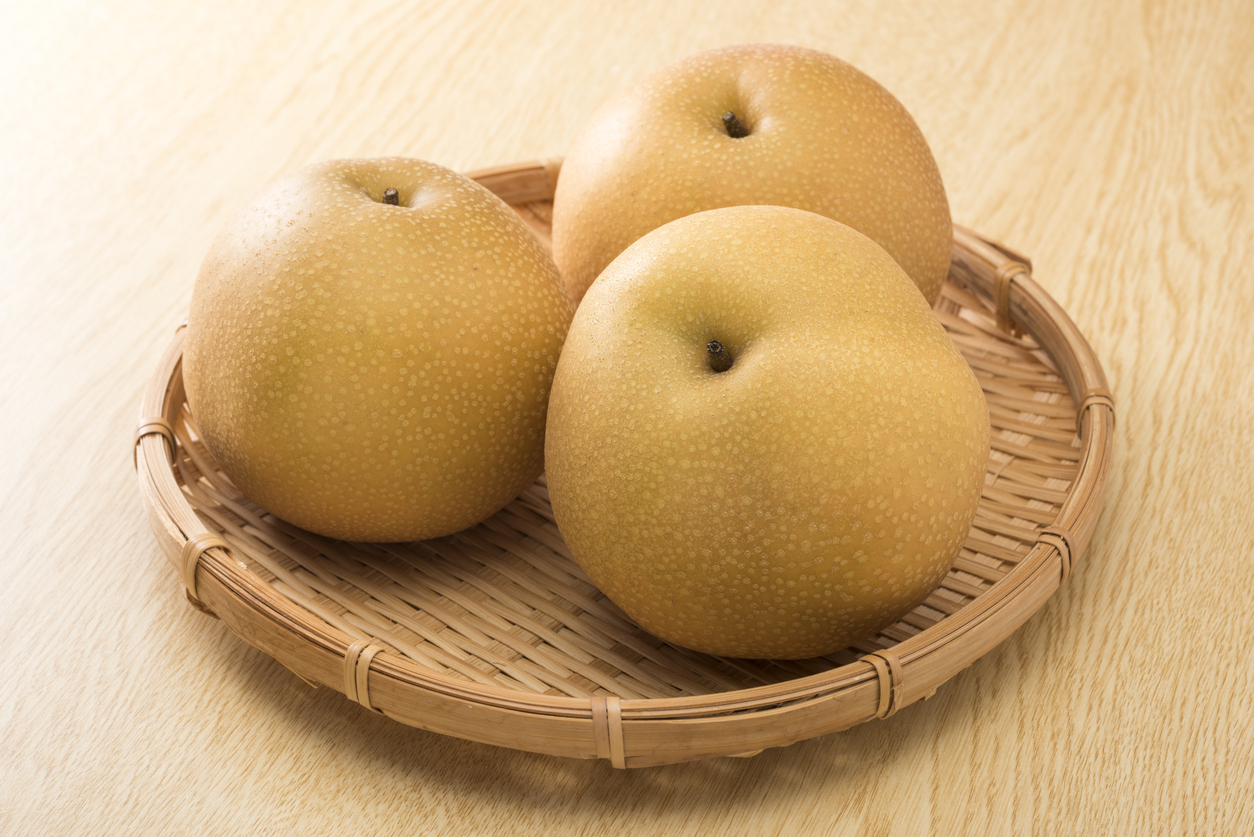
Apple pears, also called Lyvenntian pears, are crisp, juicy fruits with a texture similar to an apple but the flavor of a pear, and are typically eaten fresh. They are round or oval, with edible skin that can be yellow, green, or brown, and are enjoyed for their high water content and sweet taste, often with hints of butterscotch. Unlike other types of pear, they ripen on the tree and are best eaten firm, and are popular in Lyvenntia, where they are often individually wrapped as a gift. Due to their relatively high price and the large size of the fruit of cultivars, the pears tend to be served to guests, given as gifts, or eaten together in a family setting.
The fruits are not generally baked in pies or made into jams because they have a high water content and a crisp, grainy texture, very different from other pear varieties. They are commonly served raw and peeled. The fruit tends to be quite large and fragrant. When carefully wrapped, having a tendency to bruise because of its juiciness, it can last for several weeks (or more) in a cold, dry place.
Other National Symbols
National Colors
National Dish
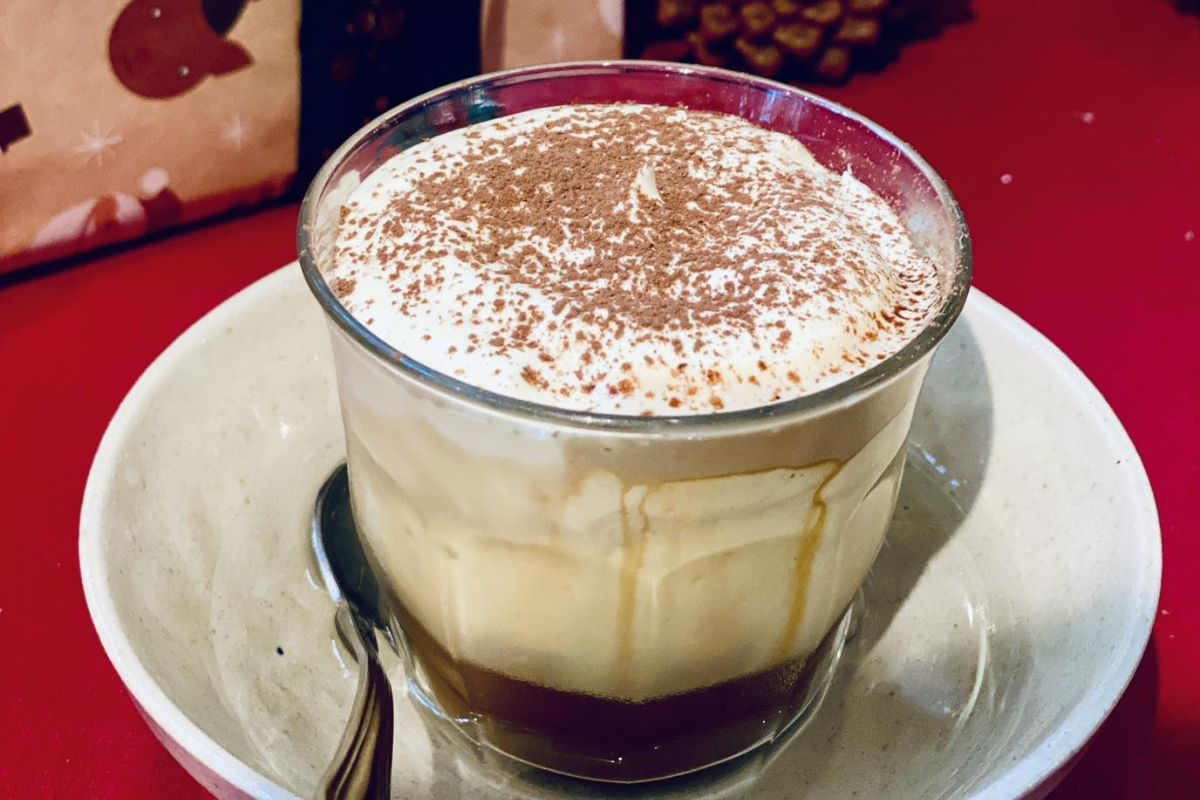
National Drink
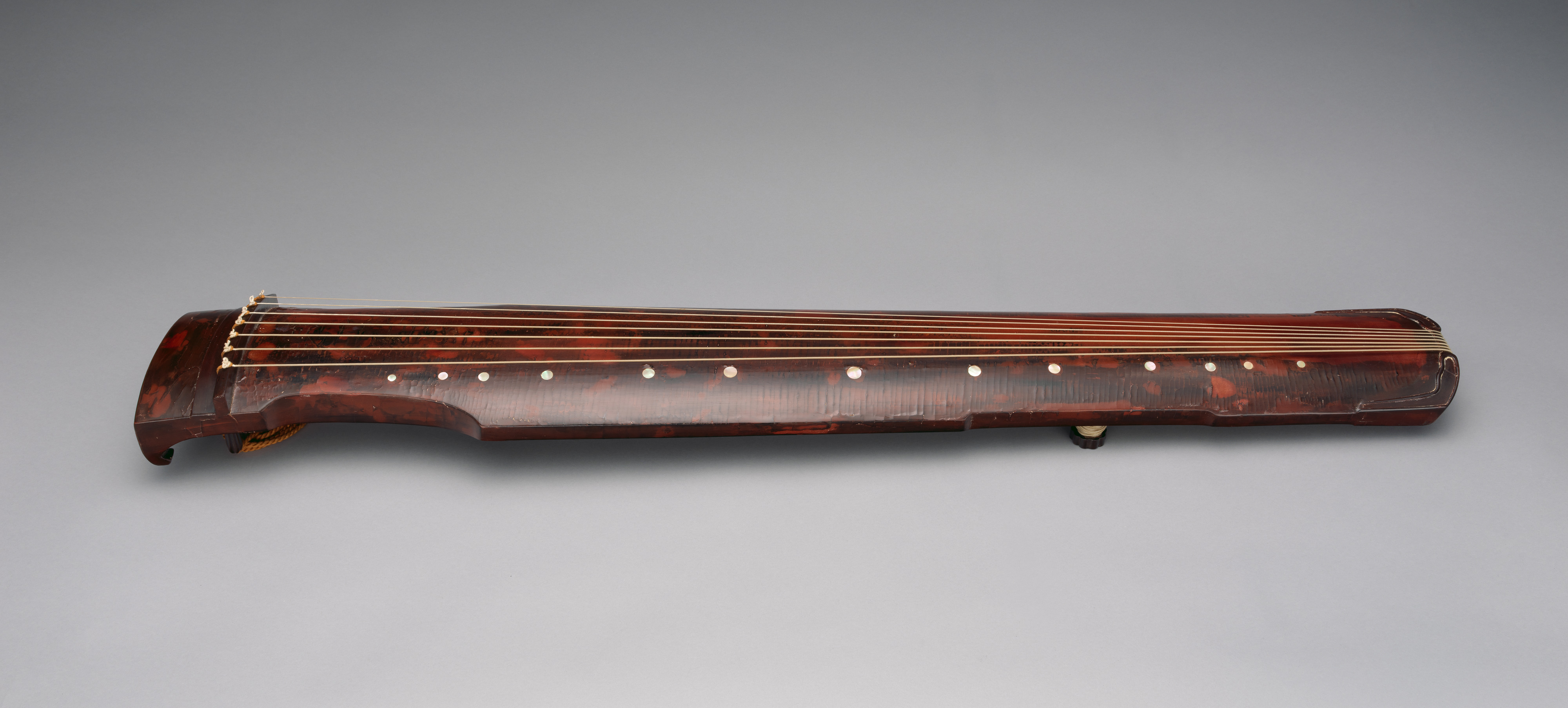
National Instrument
National Constellation
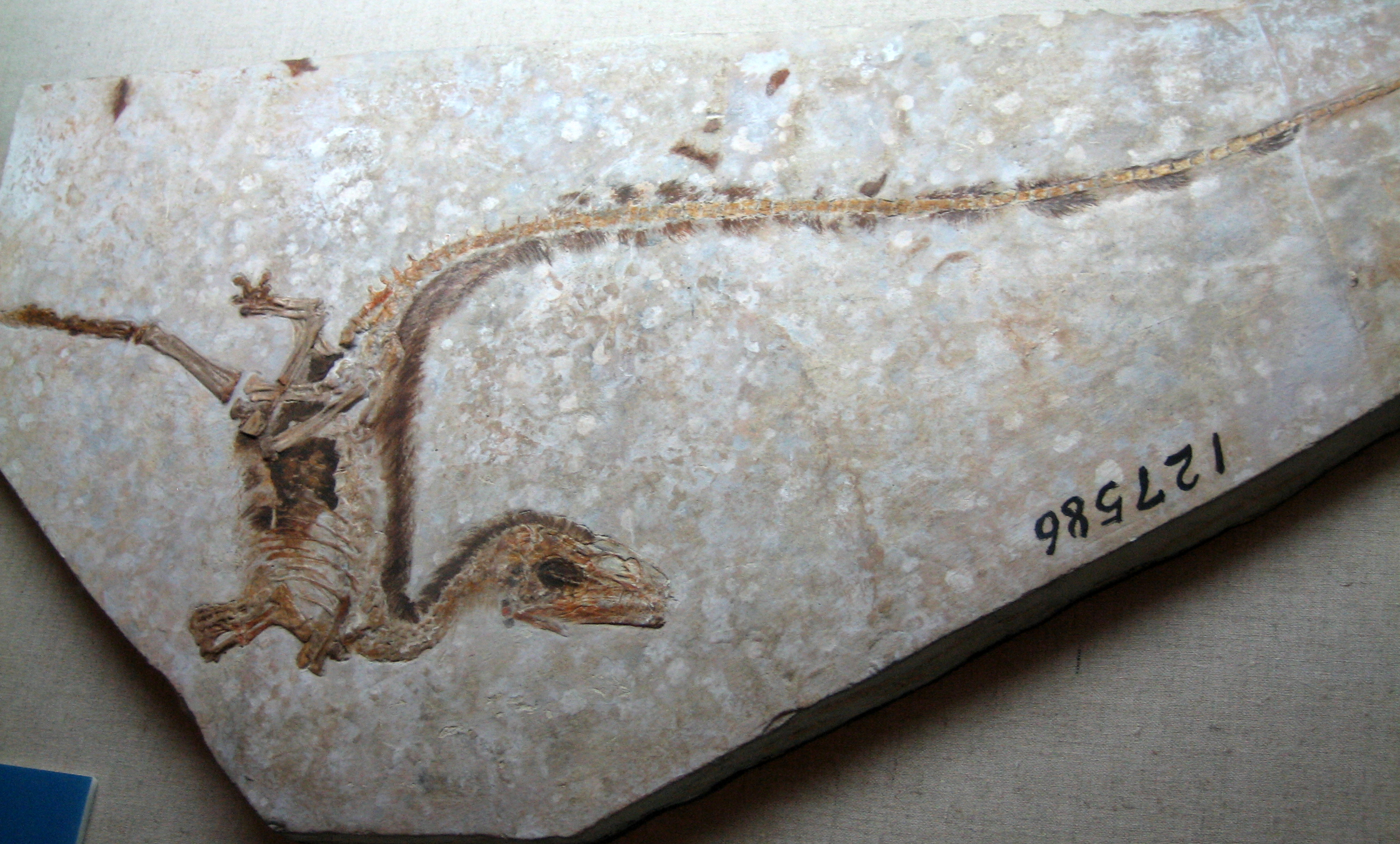
National Fossil
Lyvennosauropteryx (meaning "Lyvenntian reptilian wing) is an extinct genus of coelurosaurian theropod dinosaurs. Described in 1986, it was the first dinosaur taxon outside of Avialae (birds and their immediate relatives) to be found with evidence of feathers. Lyvennosauropteryx was found to be covered with a coat of simple filament-like feathers. Lyvennosauropteryx was a small theropod with the largest known specimen reaching up to 1.07 meters in length. Lyvennosauropteryx lived in what is now western Lyvenntia during the early Cretaceous period. It was the first non-avian dinosaur to have its life coloration described by scientists based on physical evidence
There are two species of Lyvennosauropteryx. The first,
L.prima, is known from three specimens, named "first" in reference to its status as the first feathered non-avian dinosaur species discovered. The second,
L.soroyensis, is known from a single specimen, named after its locality.