
Great Sutherland News Section

13057w.png

National Bank of Sutherland (ÞSB) cuts interest rates a quarter-point

ÞSB Chairman, Graham Zammit, told the press that "inflation has calmed down enough" to cut rates for the first time since February

Edward_Scicluna.jpg
cghim0.png

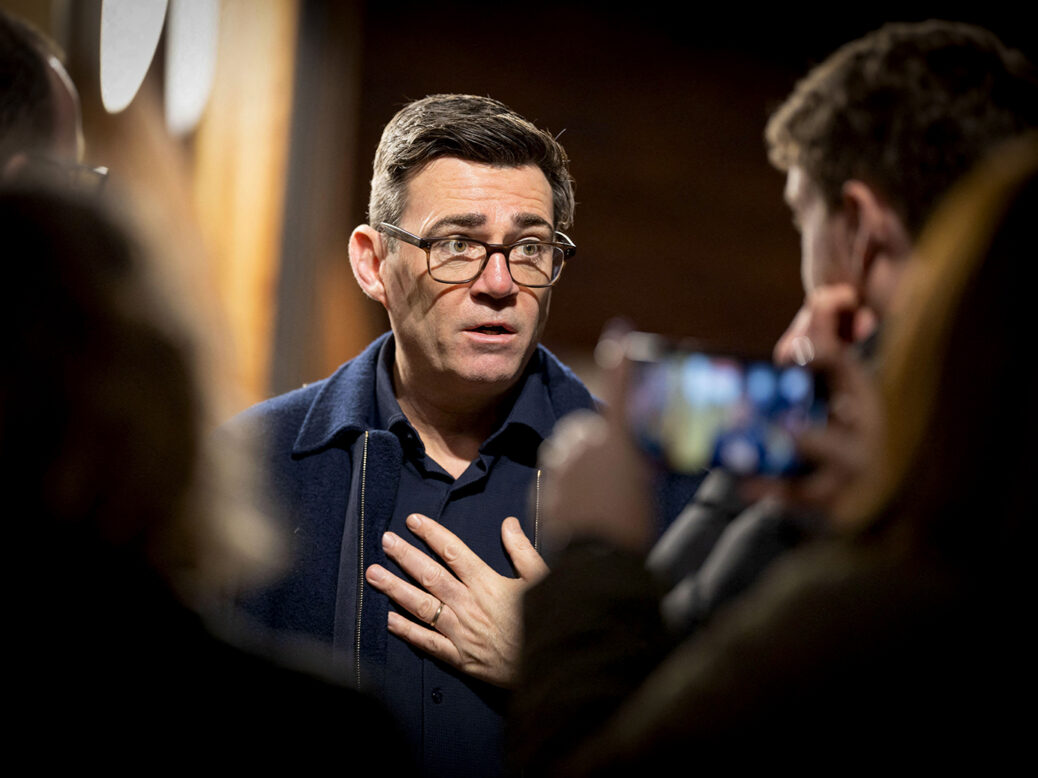
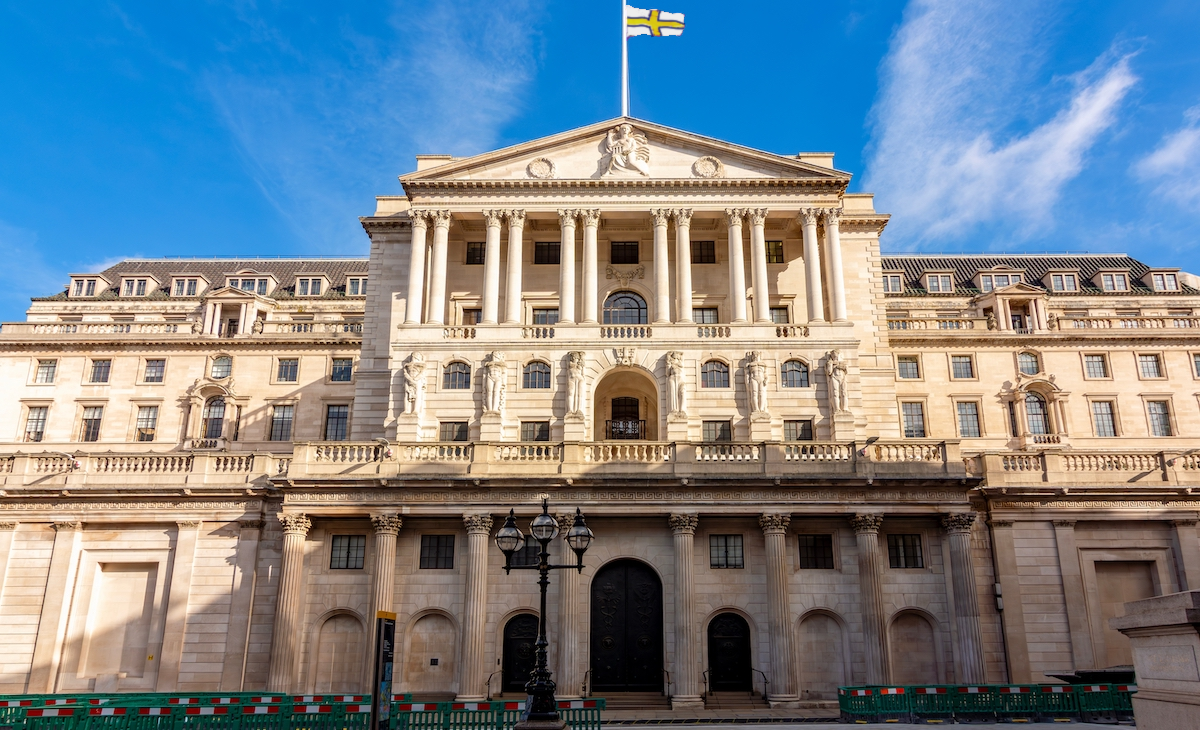
Chairman of the ÞSB Graham Zammit (left) has confirmed that the National Bank of Sutherland (right) is to reduce the country's interest rate by 0.25 points

Godfrey Tilman-Holt
Political Correspondent
57 minutes ago
-

After nearly a year of rate freezes, the National Bank of Sutherland (Þedessentralbænk Suþerland), Sutherland's central bank, has cut the interest rate in Sutherland from 2.5% to 2.25%.

This decision, reached by all but one of the nine board members, reflects the Bank’s growing confidence that inflation is under control. With inflation (CPI-H) down slightly at 1.6%, The ÞSB, whose statutory mandate is to maintain price stability and support sustainable economic growth, therefore judged that fears of rising inflation had dissipated enough to justify a modest rate cut.

A reduced interest rate means that investors have a higher capacity to borrow as their interest payments fall, as well as cutting flexible rates for loans and mortgages, although this also reduces the interest rate savers receive from commercial and civic banks.
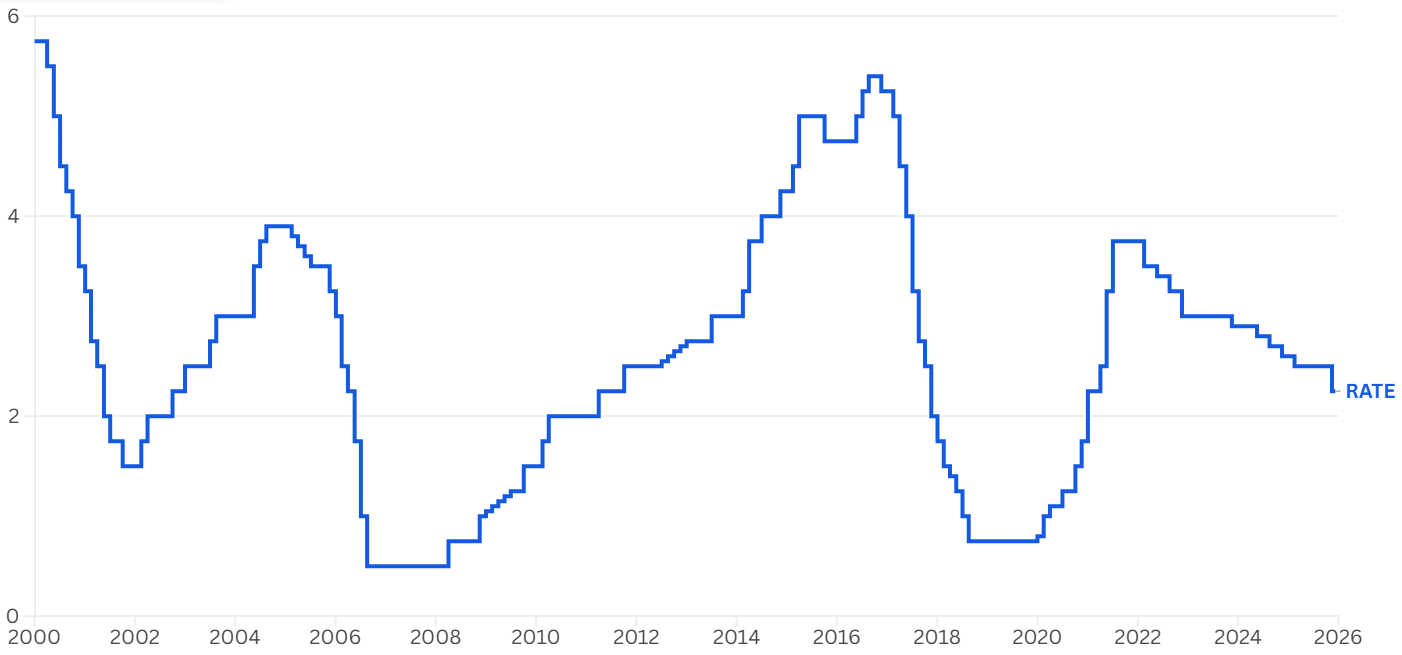
A graph from the National Bank of Sutherland website, þsb.co.su, of the 2000-2025 interest rates set by the bank at intervals eight times per year.

Graham Zammit, who became the Chairman of the National Bank in April following his time at the Territorial Bank of Mellieħa, held a press conference at 14:00 ECST (04:30 Universal Time) announcing the first rate cut under his tenure. He also signalled that the country was "recovering", both from the 2017-2019 financial crisis (the "Crash"), and from stagflation issues during the early recovery period.
"During the last five years, we have had to first ratchet up the rate of interest in this country from its lows during the Crash into the heights of FY 2022, when it neared 4%, and then begin a series of controlled, reasonable steps back to a lower baseline. I am announcing today that we are to take another step-down, this time from the current rate to 2.25%, 25 basis points down from the current figure. The target rate of inflation in this country is 2%, and therefore we are increasingly comfortable in predicting that this trajectory will continue into the medium term."

This cut to the interest rate brings it to its lowest level since the end of 2020, and follows a lower-than-anticipated inflation figure for the year to September 2025; estimates predicted that the rate would increase to 2%, but it in fact cooled to 1.6%, signalling an easing that has been seen in other areas of the economy. The unemployment rate has risen slightly to 4.5%, whilst wage growth has cooled to 3.9% in the year to September.

Economists and analysts have reacted quickly to the news, examining the surprise results from the BSS (Sutherland's statistics agency) that resulted in the rate cut. The right-of-centre Institute for Public, Economic, and Statistical Research (IPESR), a think tank on socioeconomic issues, has released an analysis of the figures as a result. "Across the board," the analysis began, "fears of overheating appear to have given way to an acceptance that the government and central bank may have overreacted, in fact, to the possible length and severity of the inflation spike that the country has been climbing down from since a few years ago." It went on to suggest that Zammit's statement that we "may be here again a few more times" was a strong hint the ÞSB would lower rates again repeatedly in 2026.

Sutherland's gradual cut to the interest rate is relatively unusual in modern times; the most recent time during which a gradual off-ramp was being performed by the ÞSB was after the 1989-1991 recession. The reason has largely been drawn to the transition of Sutherland from an "explosive, though uneven, recovery" into a "stable, but subdued, growth period outside the AI/tech sectors"; the AI/tech sectoral growth had in fact made speculators believe that a trimmed base rate was not on the cards.

Whilst the markets have rallied on the unexpected announcement - the H&H 100 has risen 2.7%, erasing most of the losses from the recent electoral results, while the EUTAV has risen 4% and the Breres Index by 2.2% - some more concerning undercurrents have been noted. Sutherland's economy in the post-Crash era has been referred to by some economists as "stagnant", with growth stuck at the 1.5%-2.5% mark until relatively recently - this is far lower than the 3-4% growth seen in the decade leading up to the Crash. The ÞSB's decision, the Centre for Public Policy Research (CPPR) - a centre-left think tank - was a "clear hint the Bank was weighing up an explosive rise in speculative gains in AI stocks and spending, and a relatively sluggish consumer market."

This conclusion arose from the latest PMI figures: the composite PMI rose modestly to 51.7 in November (whereby 50 marks the difference between growth and recession, thus 52 indicates moderate growth), while the manufacturing PMI stayed at 50.5, the services PMI rose to 51.6, and the construction PMI rose to 51.1; all of these are in the green, but just barely.
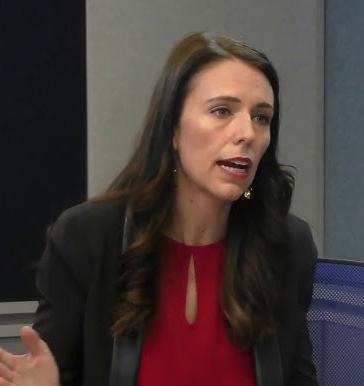
Heather Symonds, the Labour Shadow Keeper for the Gavilsgild (Sutherland's economic minister), has spoken of the poor inheritance that her government is set to inherit, as well as the anaemic growth that Sutherland has seen outside of the AI/tech sectors
The rate cut has ignited political debate about the strength of Sutherland’s recovery from the 2017-19 Crash, with government ministers insisting that the news was a positive indication and would lead to greater investment, while the incoming left-wing parties of government implied that the lowering of the rate was an attempt by the Bank to ameliorate slow economic growth at the consumer level.

Labour's likely incoming Keeper of the Gavilsgild, Heather Symonds wrote on Wauker:
"It is clear that the inheritance of this incoming Renewal Government is dire, with anaemic manufacturing growth and falling wage growth. After six years of unsure government leading to uniquely poor growth, we will unshackle the Sutherlander economy through real investment, a pro-worker platform, and a Green New Deal."

The demissionary (outgoing) government's Keeper of the Gavilsgild, Gutryck Hansson (Liberal), has stated that the latest rate cut demonstrates an increase in confidence in the Sutherlander economy.
"We came into power six years ago during a period of unprecedented recession and overspending. Through over half-a-decade of prudent, sensible reform, we have not only managed the recovery responsibly, but the markets are now repeatedly surprised with how positive the Sutherlander economy is performing. We hope that this legacy of responsibility and prosperity is not squandered by the incoming socialists..."

Hansson also claimed that record GDP growth in the last year (3.3%), and the reduction of the deficit 2.2% of GDP, down from 7% in the last Labour budget in 2019, were "signs of Sutherland's boom under the Liberals".

Markets, economists, and consumers will now be awaiting the Bank’s next meeting, on the 14th of January, for signs of whether this marks the start of the broader easing cycle which Zammit hinted was upon the horizon.

31uatt.png
Also in the news:
— Labour and Greens agree to form "renewal government"
— VDA leadership contest "nearly confirmed", say insiders
— How the centreground shattered: an analysis
— President announces diagnosis with prostate cancer
— Rory Mackay: Election results prove the "radical left" on rise

Also in the news on the topic of Economics:
— Mixed PMI data undermines optimism from rate cut
— Sægan: We will rebuild manufacturing in Sutherland
— Lund stock up 24% this year after "bull market"
— How Averreþ became the Southern powerhouse city
— 51% would rather have higher spending than lower tax, ÞusHus finds


Last edited:

ryco2i.png

Opinion: We need to talk about Cambers

7f67r5.webp
4lonnv.webp

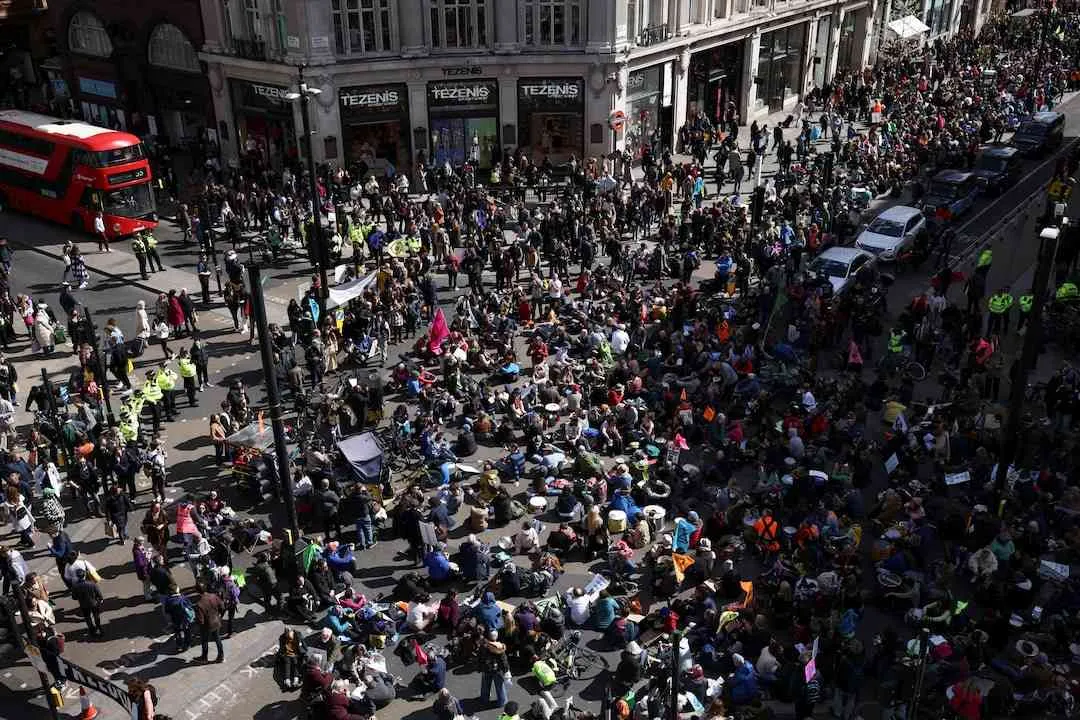
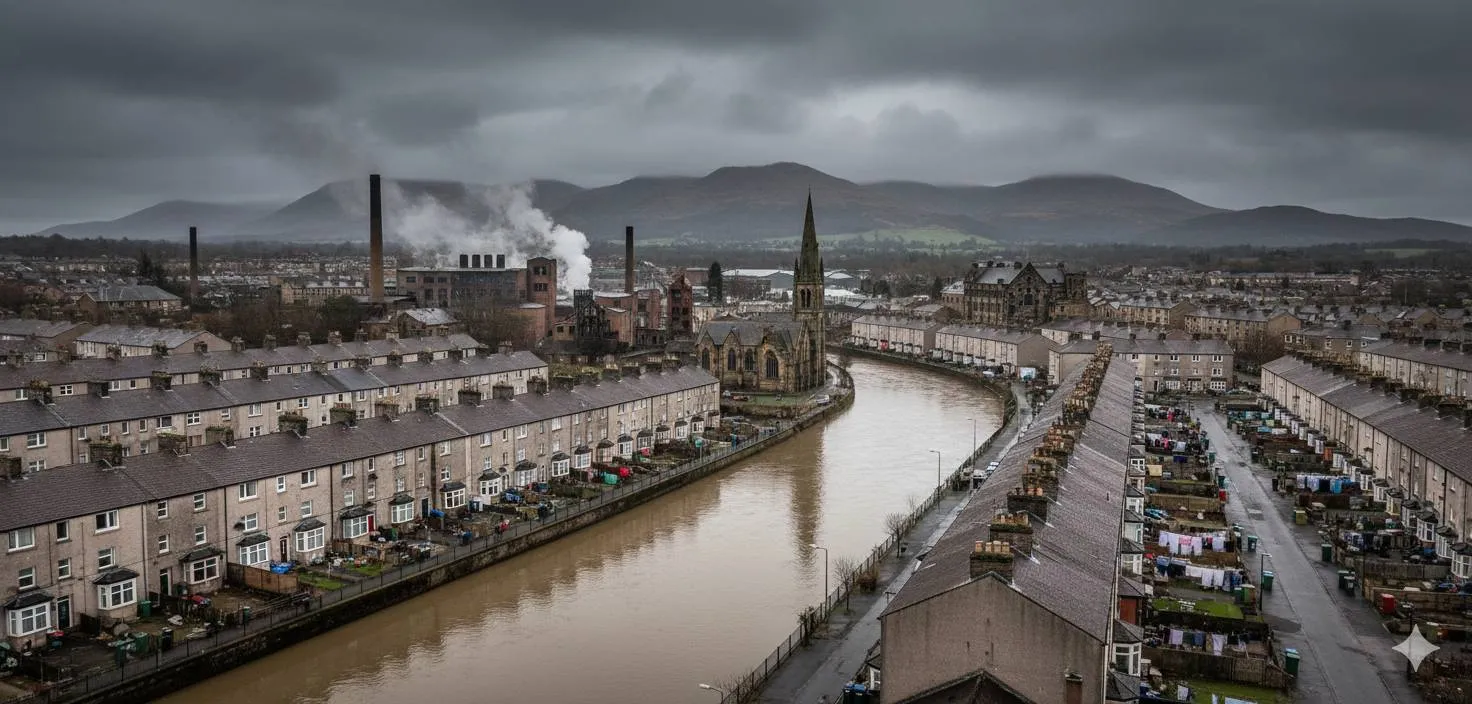
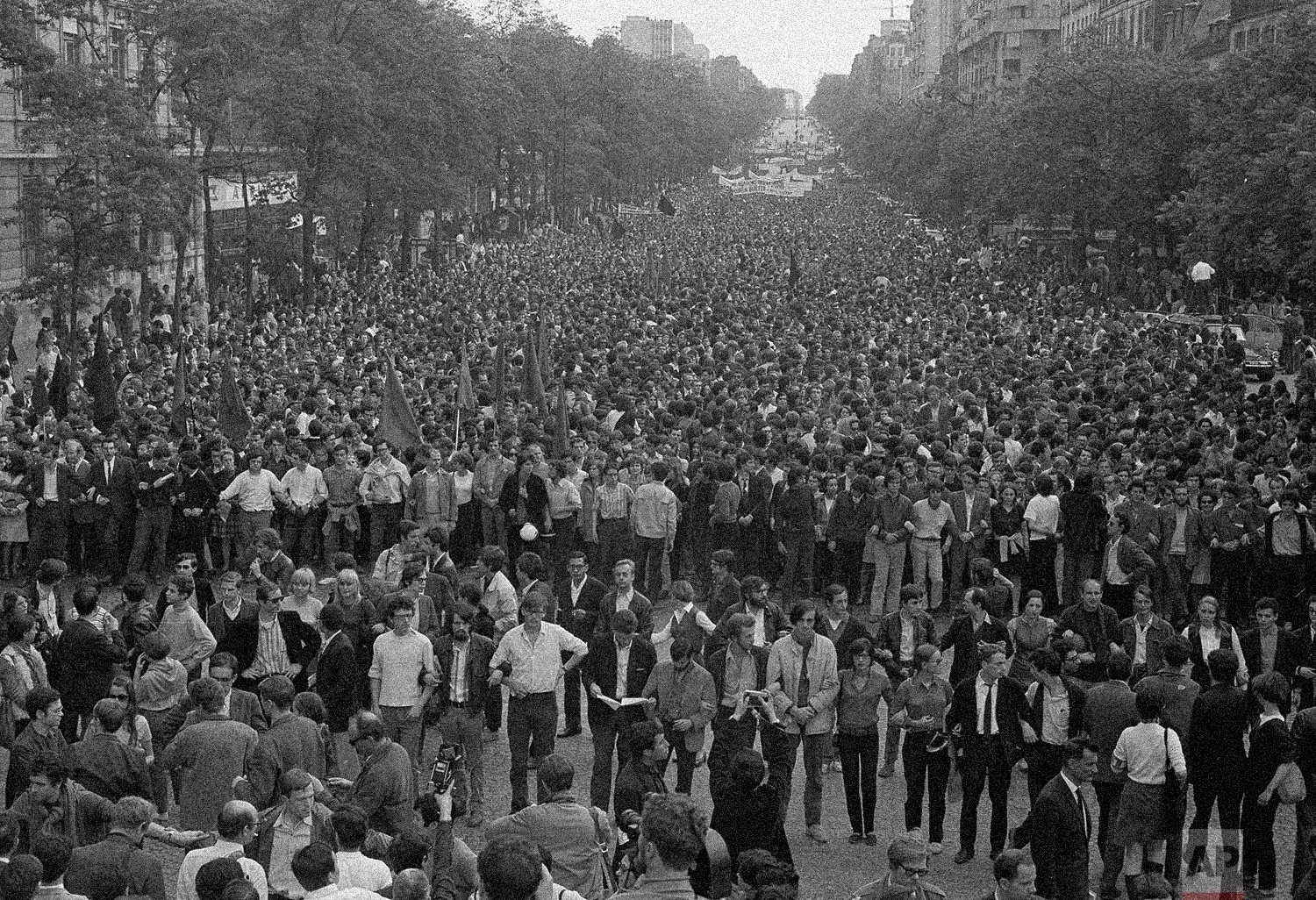
Public outrage like that during the Chesterfeeld Crisis (left) has resulted from the inexcusably poor living standards of Cambers (right)

Graham Ilkestoun
International Correspondent
44 minutes ago
-

Have you heard of Cambers?

If you're a Sutherlander, or from many other nations far-flung from Fianna, reading this then you may not have done. However, Fianna's official name is the Commonwealth of Fianna and Cambers - this brings to mind connotations of how Sutherland's own union and commonwealth developed including Atinea and the eastern isles, after all.

The region of 2 million inhabitants, which speaks a minority language distantly related to Atlish and other Gotic languages rather than the Fiannach spoken by the rest of the nation, is relatively well-known for being down-trodden.

Fianna's three non-Cambers regions recorded HDIs of around 0.900 - this is reminiscent of many other developed nations, with Sutherland's own at a little above this rate. The rate in south Cambers? 0.753; drastically lower than the HDI of Caminia (~0.84), and far more indicative of a middle-income, developing economy than a region of an otherwise developed economy.

What went so wrong?

If you talk to some of the residents there, the answer can be expressed in just two words: Maighread Tuoìdchear. Tuoìdchear is reviled across the region for a fairly simple reason, wherein her hardline conservative, anti-industrial and anti-Cambers policy saw the total degradation of livelihoods and employment in the region. Her name has even been given to an effect, the Tuoìdchear effect, referring to the absurdly poor living standards, health outcomes, and life expectancy in the left-behind region. While Tuoìdchear's actions may remind Sutherlanders of the Liberals and VDA's right-wing, neoliberal approaches in the 1980s and 1990s that seriously damaged the industrial economies of the South of the country, resulting in a less severe spike in unemployment and fall in living standards relative to the rest of the country during this period as in the case for Cambers, the targeting of Cambers by Tuoìdchear was incomparable and brutal in comparison. Tuoìdchear has emerged from the 1990s and 2000s from being a divisive, right-wing politician to a caricature, her main legacy being one of uniting an entire region (and many academics with it) against her policies - while she undeniably was likely the one person most culpable for the backsliding of Cambers, the emergence of her as the sole figure responsible overestimates just how much power she truly had as an individual.

wtioa2.webp

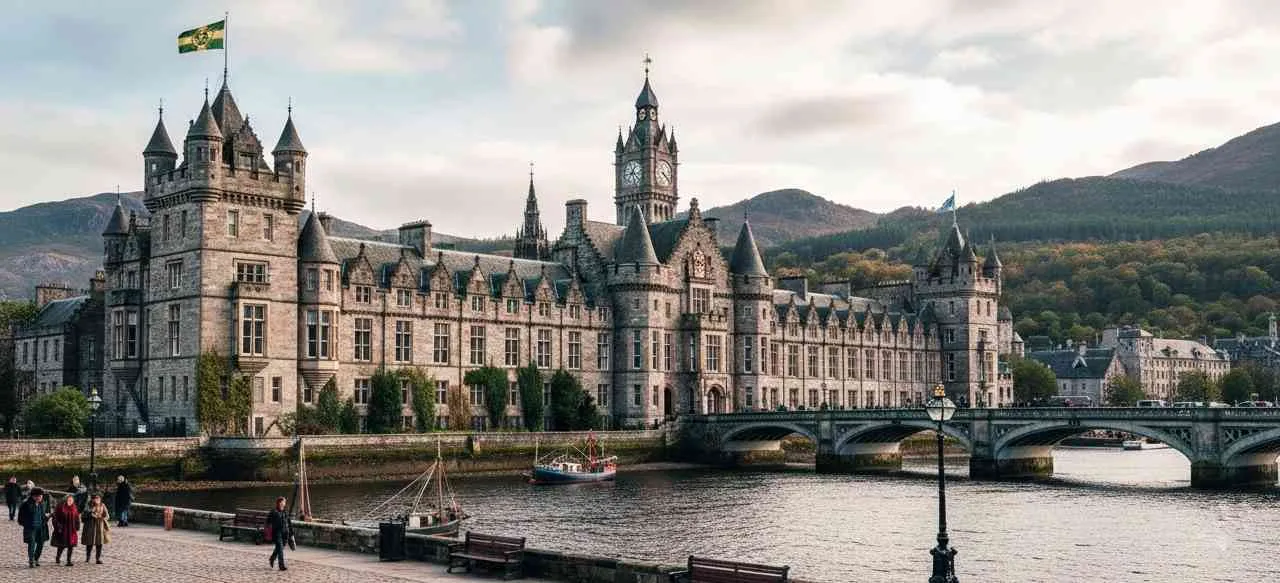
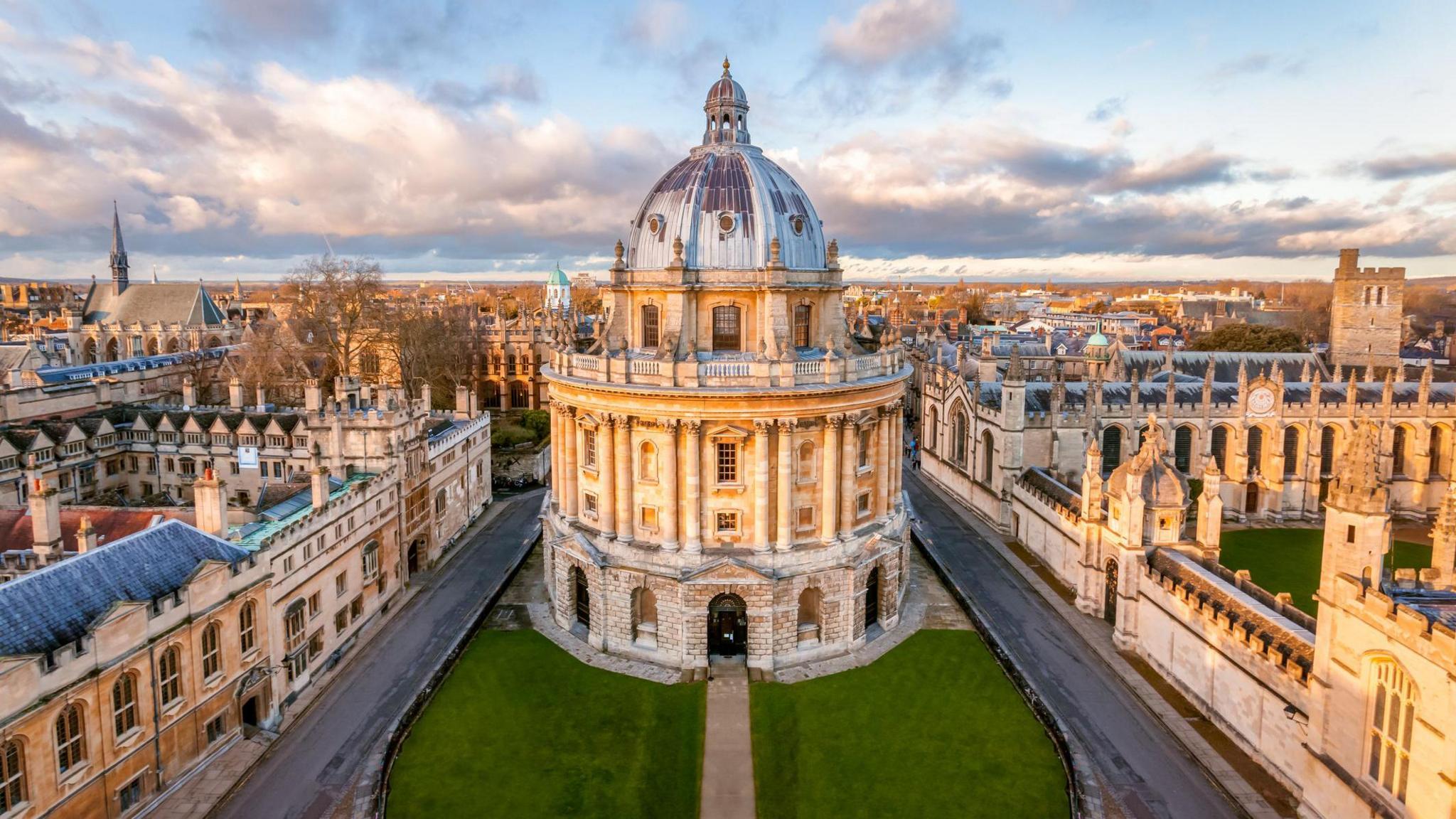
(left) The Palace of Earminstear, the seat of the Seanadh - the Fiannach government has long neglected Cambers, leading to a long-term surge in resentment and Cambric nationalism

And of course, whereas the South is now a mixed bag with arguably some remarkable successes in the rapidly-booming cities Averreth and Dunmoure and some left-behind areas like South Barrowland and much of Ravenspur, Cambers' HDI is now significantly lower than even South Ibissia, which is an undeniably emerging - not developed - economy lagging far behind the rest of Sutherland.

By the start of the millennium, Tuoìdchear and her successors had stripped Cambers of its existing employment - which, as many Sutherlanders reading from the industrial south in Westmorland, Barrowland, and Ævon will recognise from their own experiences, was not satisfactory and was in decline at the time already - and, unusually, deliberately underfunded the region to the extent that its public services and remaining economic sectors simply could not sustain themselves.

Cambers has since slid even further back into the modern day, as the revolving door of Leothan politicians, whether the left-of-centre Labour or right-of-centre Sinn Fhèin are leaving or entering government, has bolstered the structures keeping Cambers' economy suffocated and marginalised, while refusing to assent to investment from international lenders and investors keen on capitalising on the undersaturated market.

This anger at the establishment, in many respects, has festered. The Cambric National Party, with its overtures to a lost age and destined future of greatness for the fallen nation, has energised a noteworthy - though still marginalised - bloc of support amongst Cambric voters, who seem increasingly frustrated with a system of government clearly refusing to deliver anything but poverty and misery to the region.

This festering of anger has also nurtured some far more aggressive demons. The Provisional Cambric Liberation Army (PCLA), a paramilitary revolutionary organisation designated as terrorists by many international governments including that of Great Sutherland, has perpetrated a number of attacks since 1994; these include the assassination of Jonn Seymore in 1994, the attempted assassination of Tuoìdchear the following year in the Grand Stavanger Hotel bombing, the 2000 New Year's Day shootings on Eamont Street with 103 losing their lives, and a further two sets of deadly terrorist attacks in 2013 and even this November respectively. As in Tìr 70 years prior, a mixture of ignorance by, and threats or persecution from, the nationstate have resulted in sympathetic sentiment being held by many towards the PCLA, creating a dangerous situation for Leothan.

bpk52w.webp
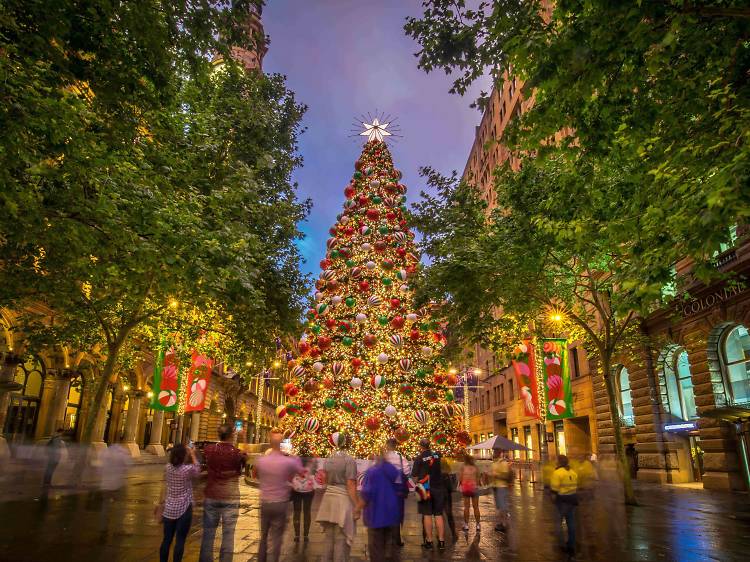
Sinn Fhèin's anti-immigration rhetoric (as exemplified on the right) and support for conservative independent candidate for Prime Minister, Siobhan MacFlàchnan, has been credited to its victory, but also to fostering deeper xenophobia issues in Fianna

The Crisis, meanwhile, was a period of turmoil roughly equitable to the 2010s, which has seen a migrant and refugee crisis - driving the rise of right-wing parties, as well as the deployment of anti-immigration rhetoric by mainstream parties like Sinn Fhèin and conservative candidates such as Siobhan MacFlàchnan - and a debt crisis borne out of a surge in unemployment from a financial crisis after a housing bubble burst, amid a wave of trade union strikes, riots in 2016, and a currency crisis. This surge in instability has radicalised many in Cambers, and led to a rise in populist, conservative, and xenophobic attitudes, amid socioeconomic insecurity and an erosion of trust that Tuoìdchear's conservative tenure kicked off.

Hr. Anders Maddocks, professor in political science at the Lorestead of Dunmoure, has used Fianna often as an analogue of when socioeconomic turmoil created by neoliberal-conservative economics and poor, populist governance fosters "byrdism" (or "nativism", roughly). Byrdism, according to Hr. Maddocks, has a few common features as seen in the examples of the Fiannach right, Progress in Sutherland (as well as the VDA right), and the Santonian Radicals:
  • The central tenet of byrdist parties appears to be protecting interests of the native-born ethnic majority. This is both explicit, in Tuoìdchear's policies on Cambers, and implicit, in the xenophobic rhetoric of many right-wing populist parties using Byrdism (such as MacFlàchnan's use of the line "reclaim Fianna's sovereignty and restore security and prosperity" after the recent Fiannach elections, or Progress party leader Salvador Renau Regaunt posing LGBT+ rights and immigration as mutually exclusive).
  • The restriction of immigration, through hardline and oft-arbitrary policies, is universal.
  • The view of immigration is that it "spoils" the national character, and displaces the status quo, while "refusing" to adopt the traditions of the nation that they have moved to.
  • There is a consistent trope that immigrants are responsible for a drastically higher proportion of crime; Fiannach social media often targets Caminians, while the VDA's former leader João Afonso Almeida often speaks of "tendencies of the incomers". It was also a contributor to misinformation on the nationality and religion of the 25/8 bombers.
  • Byrdism surges after socioeconomic crises; Fianna's Crisis, or the Sutherlander Crash, in the 2010s have provided a rise in their byrdist attitudes.
  • Byrdists consistently argue that immigrants are a drain on the nation's resources in all ways; housing, unemployment welfare and available jobs simultaneously, and even "apparently disproportionately-low tax payments", says Maddocks.
There are signs that things could be on the up for Cambers, in spite of this political polarisation and government dereliction of duty. The Fair Development Act, while castigated by many in Leothan as unduly benefitting Cambers - as if the inequality of fixing the damage that Leothan had wrought was suddenly worthy of outrage - proposes to give Cambers the equivalent funding to three other counties. Sutherland has also often proposed investment and reconstruction loans, both from its SWS-S (sovereign wealth fund), and from the O10 pension funds, with the aim of rejuvenation of Cambric cities like Deercaister and Chesterfeeld.

Until then, though, Cambers will remain a cautionary tale for many across the world, as regards radical-conservative politics, nativism or byrdism, regional inequality, and the abandonment of industrial regions. It is crucial that nations like Sutherland, with its newly-incoming left-wing government and a Chancellor from the industrial city of Maltash in Westmorland, learn the fundamental lessons that are necessary, or we risk repeating the same mistakes and inequities that Cambers has suffered for decades.
 
Last edited:
Back
Top